

Jump To Section
- Stan Winston Studio Steps In to Redesign Darkness Falls' Creature
- How Watching the Movie First Shapes Character Design
- Making Tooth Fairy for Darkness Falls (2003)
Stan Winston Studio Steps In to Redesign Darkness Falls' Creature
Often in the studio’s history, Stan Winston had been called upon to rescue a production in trouble. It had happened most famously with the original Predator. It happened again with Darkness Falls (2003), a horror/thriller directed by Jonathan Liebesman, about a spirit that takes the form of the Tooth Fairy to exact revenge on the town that lynched her 150 years earlier.
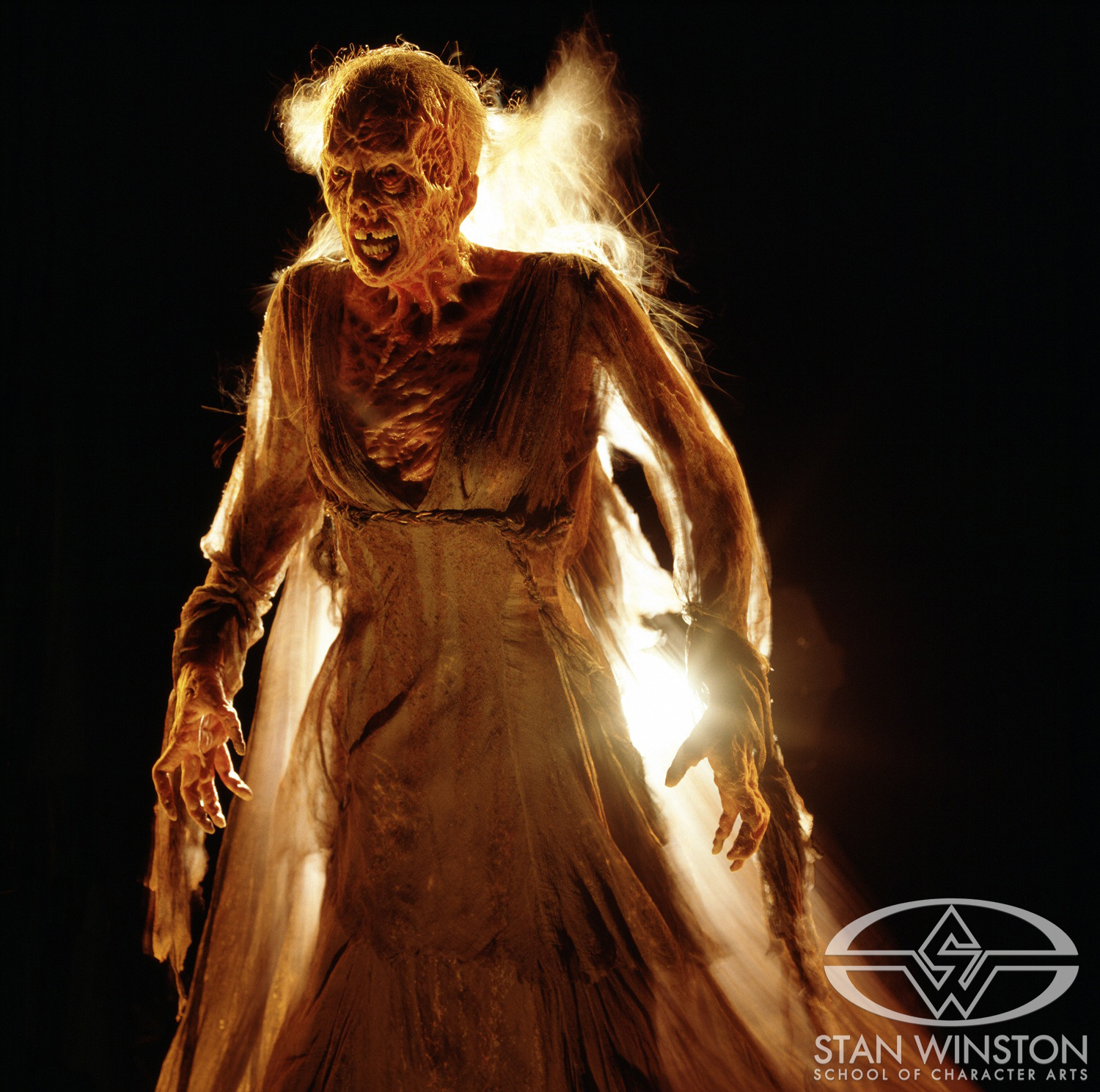 (Darkness Falls' Tooth Fairy built by Stan Winston Studio.)
Stan Winston Studio joined the production after the completion of principal photography, when it became clear to the filmmakers that the original spirit character that had been designed and built by another company was unsuitable. The filmmakers deemed the original design of the tooth fairy (by frequent SWS collaborator and Stan Winston School teacher, Steve Wang) too complex and expensive, though it was a brilliant, scary design.
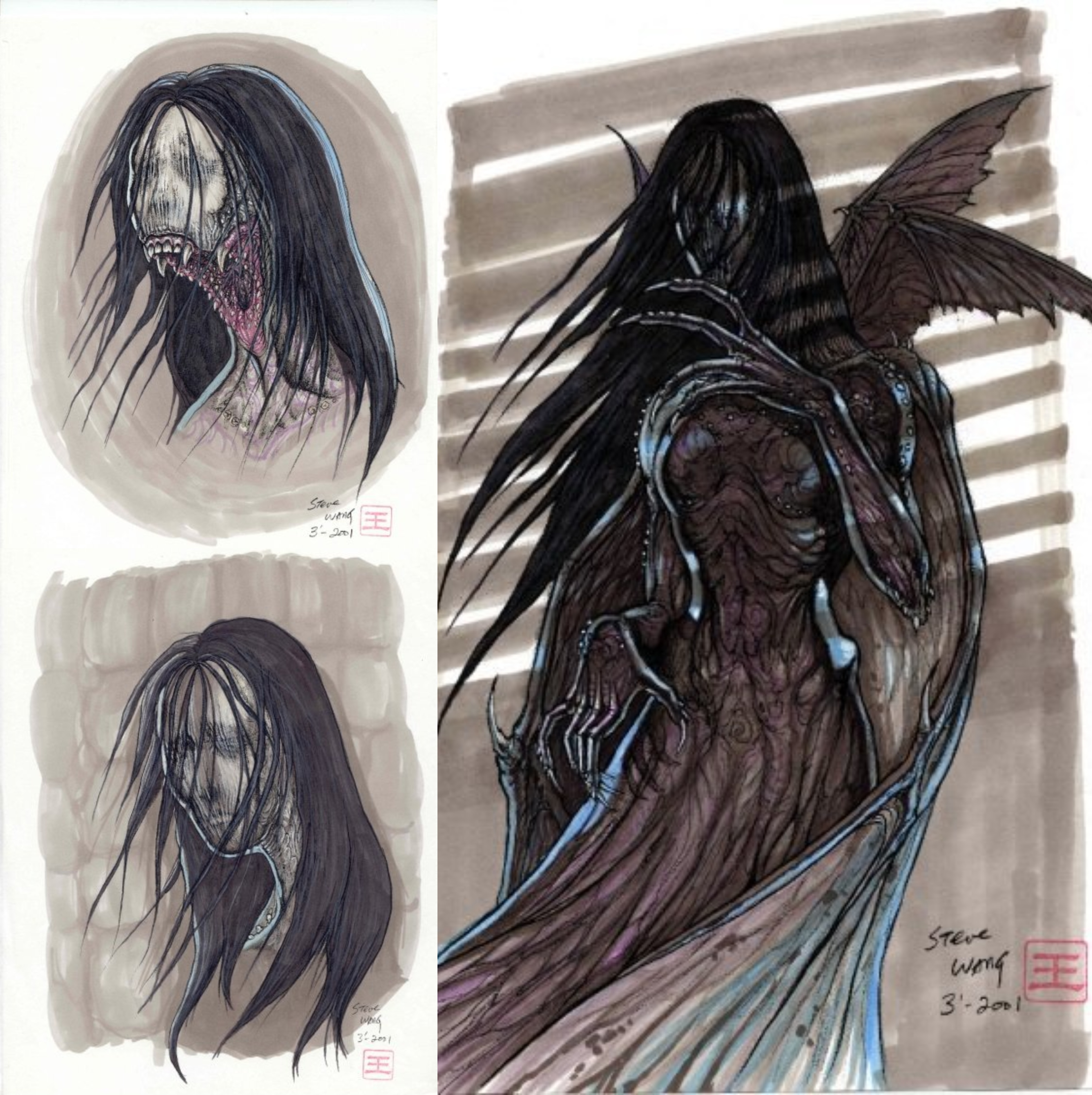
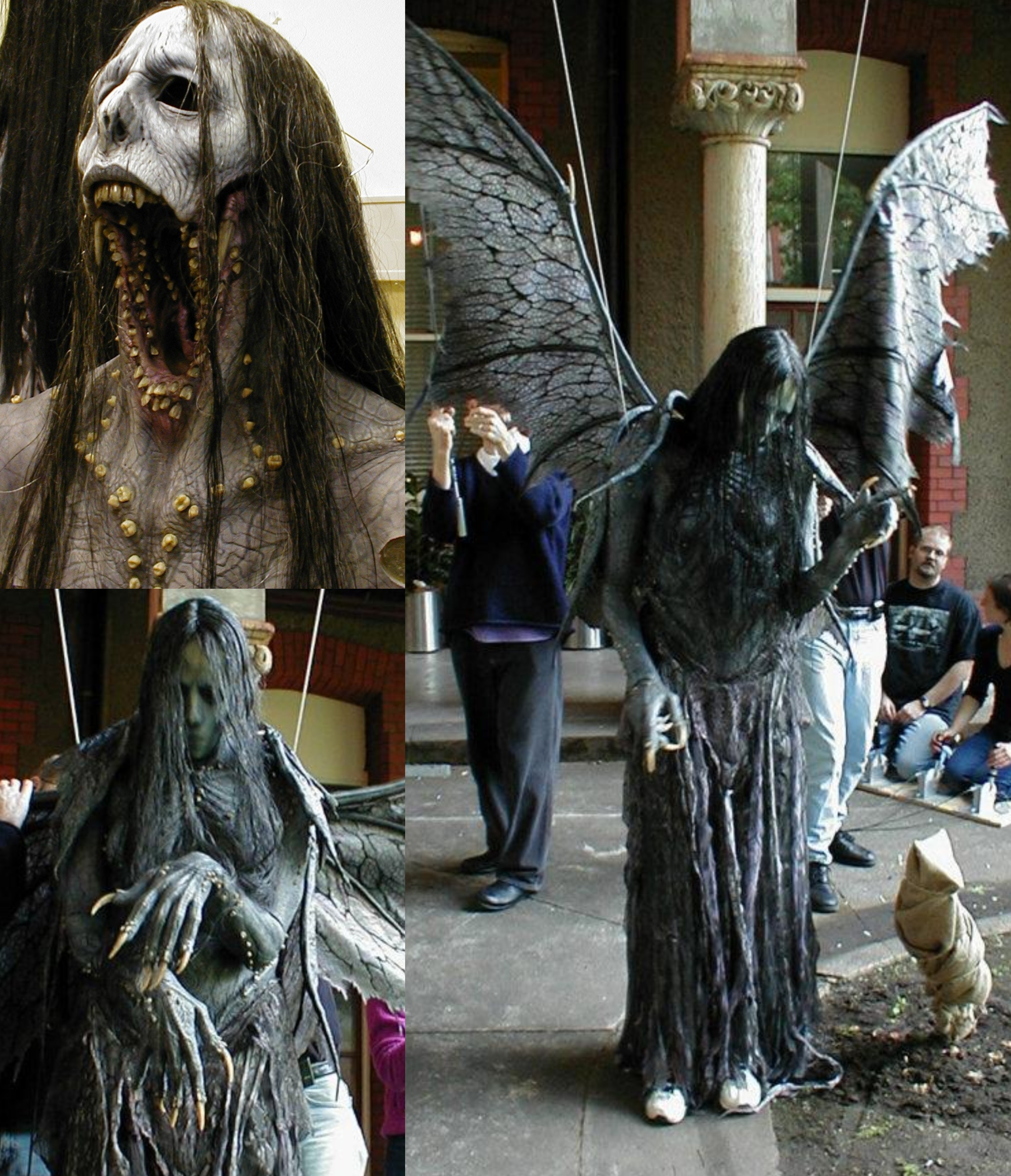 (The original Tooth Fairy designs by Steve Wang for Darkness Falls. Animatronics by Russ Shinkle. Image courtesy of Steve Wang.)
How Watching the Movie First Shapes Character Design
The production went on hiatus as Winston’s crew started from scratch in creating a new spirit puppet. Jason B. Matthews led the project, overseeing the character through the design phase to shooting in Australia. The new designs were based more in reality than Wang's fantasy-based designs, but they were no less horrific.
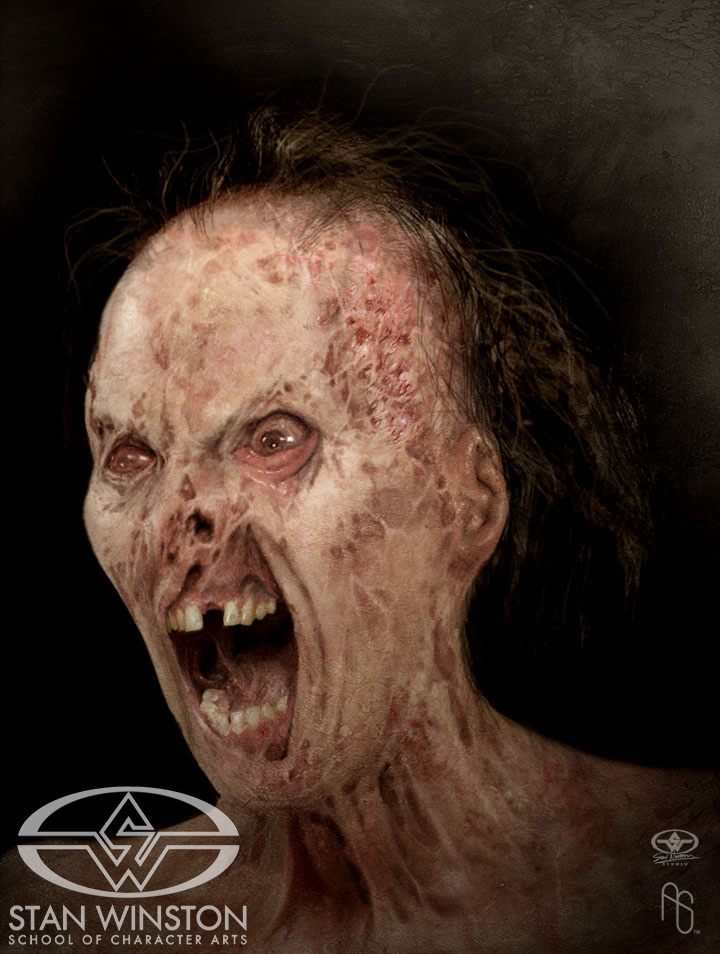
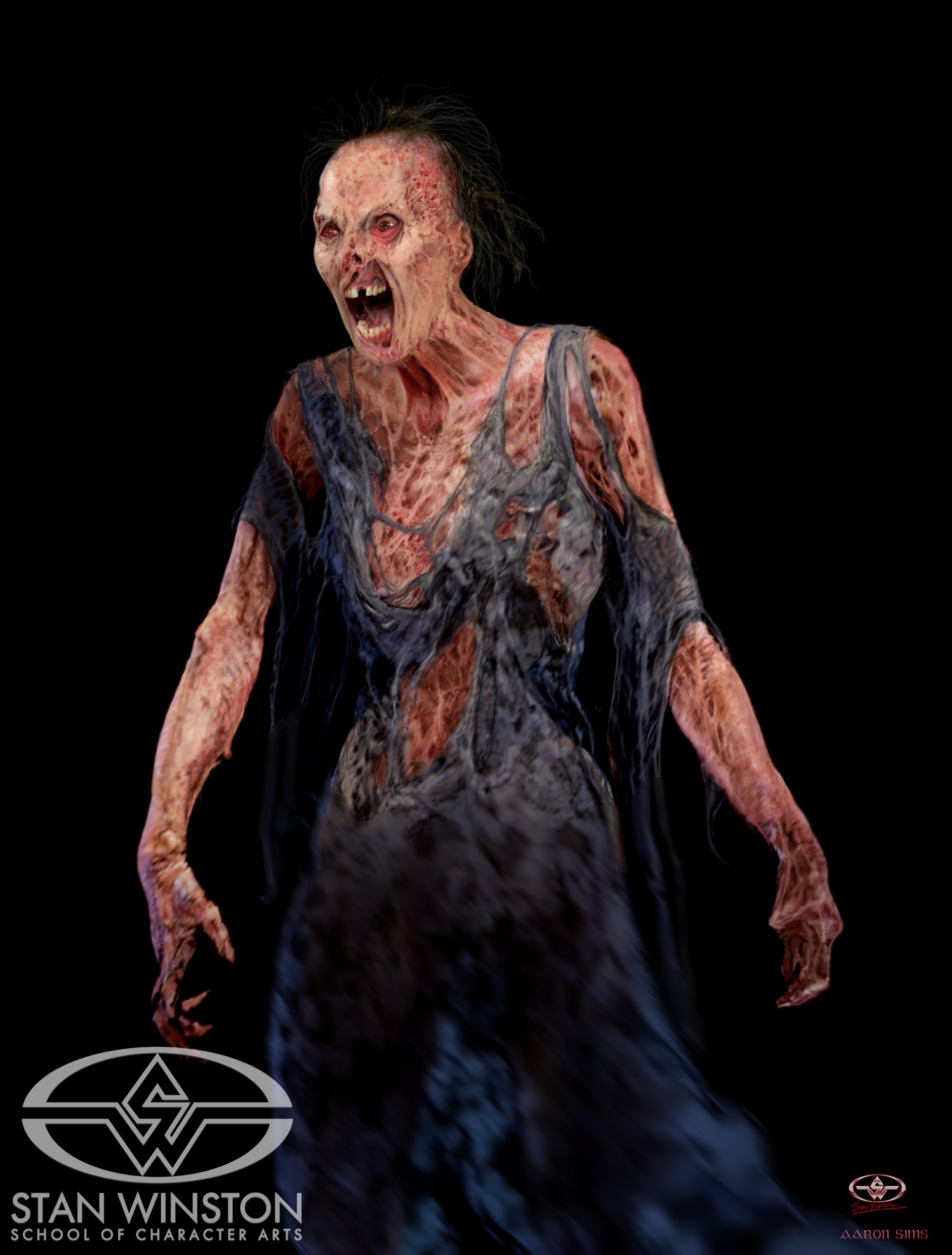 (Tooth Fairy concept artworks by Aaron Sims for Darkness Falls (2003).)
“What was different about this project,” said Matthews, “was that, because they’d originally used something else and had already cut the movie together, we actually got to see the movie before we created the character. That was great, because we were able to get a real feel for the character and for the movie. When all you’ve got is a script to read, which is the normal situation, you don’t really know what the movie is going to be like. You give a script to ten different directors; you’ll get ten completely different movies. This was a rare chance for us to see what the look and the mood of the movie was, before we ever designed the character.”
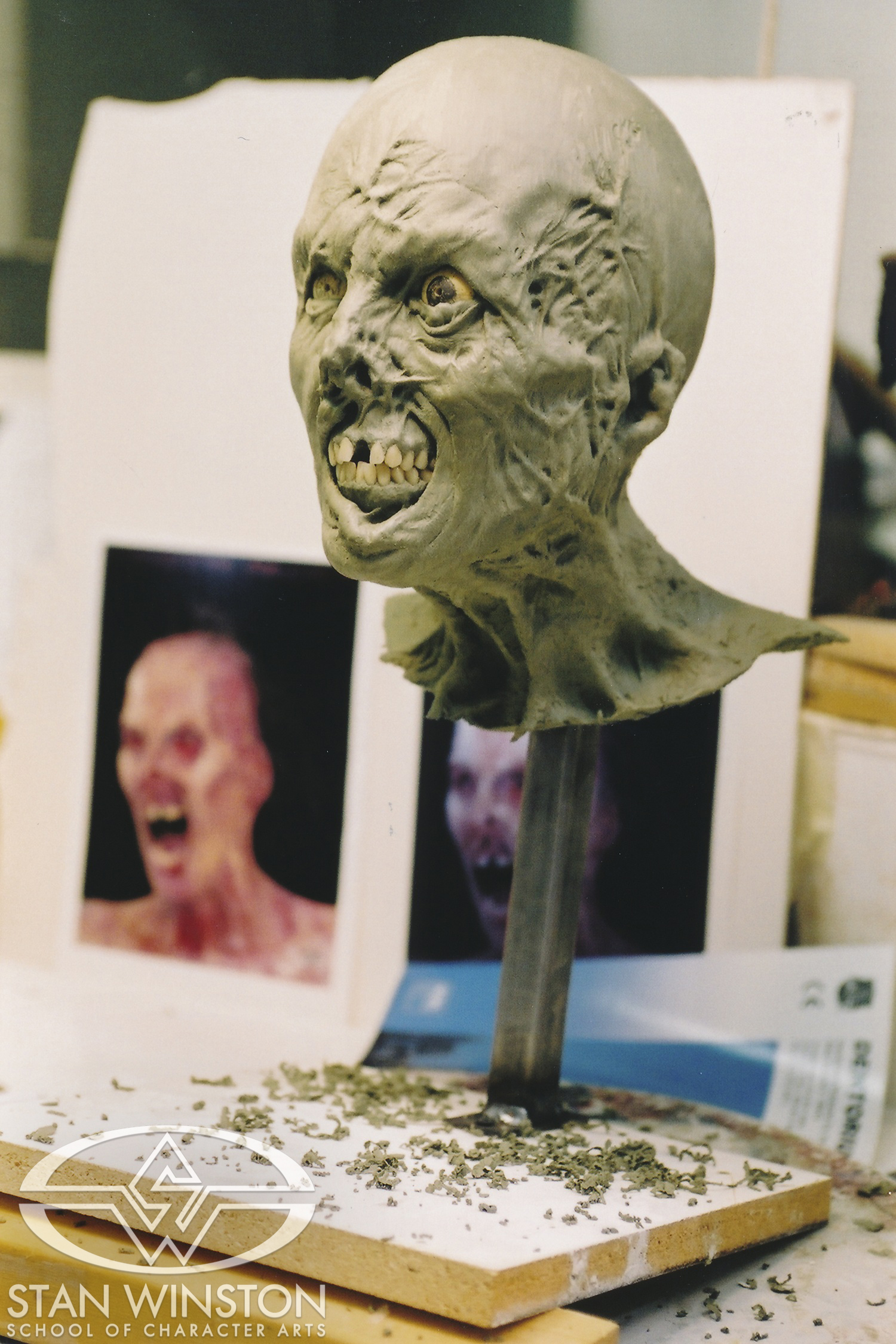 (Sculpt in progress of Tooth Fairy's head for Darkness Falls.)
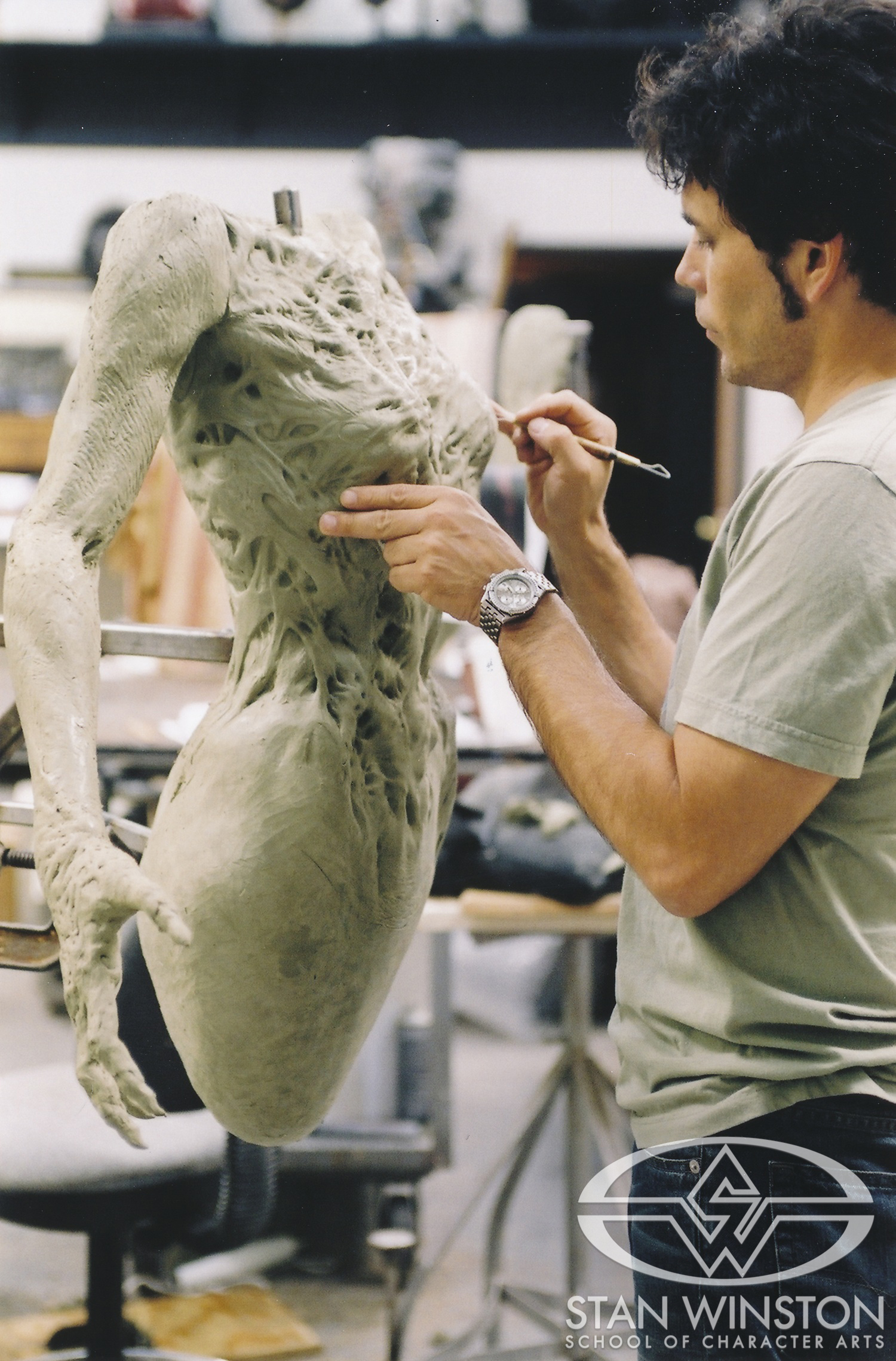 (Christopher Swift works on the clay sculpture of the Tooth Fairy's body.)
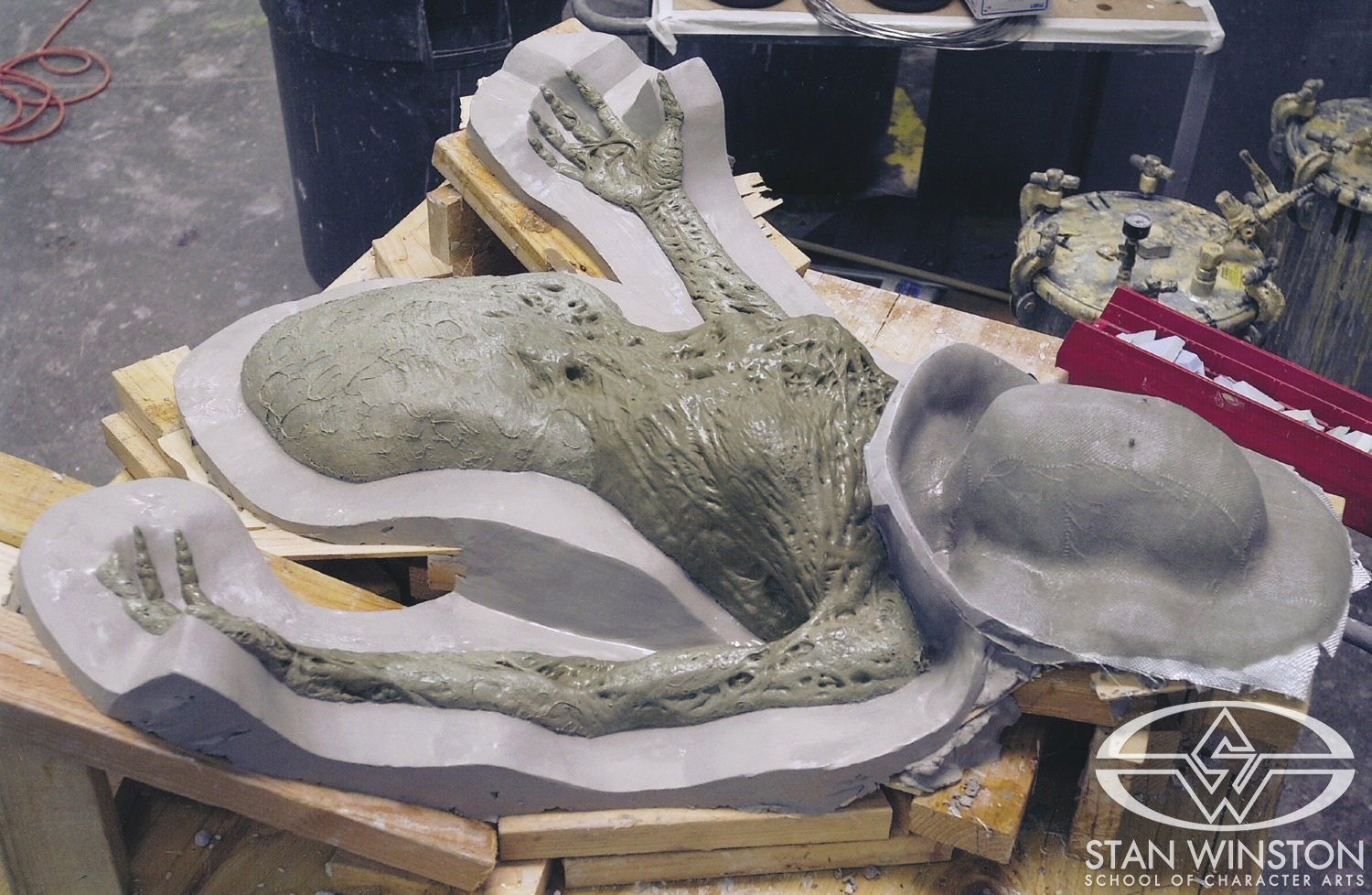 (Tooth Fairy's head molding at Stan Winston Studio.)
Making Tooth Fairy for Darkness Falls (2003)
Winston devised a back story for the character as a woman (named Matilda Dixon) who had been burned to death, and that burned look was incorporated into the silicone ghost puppet.
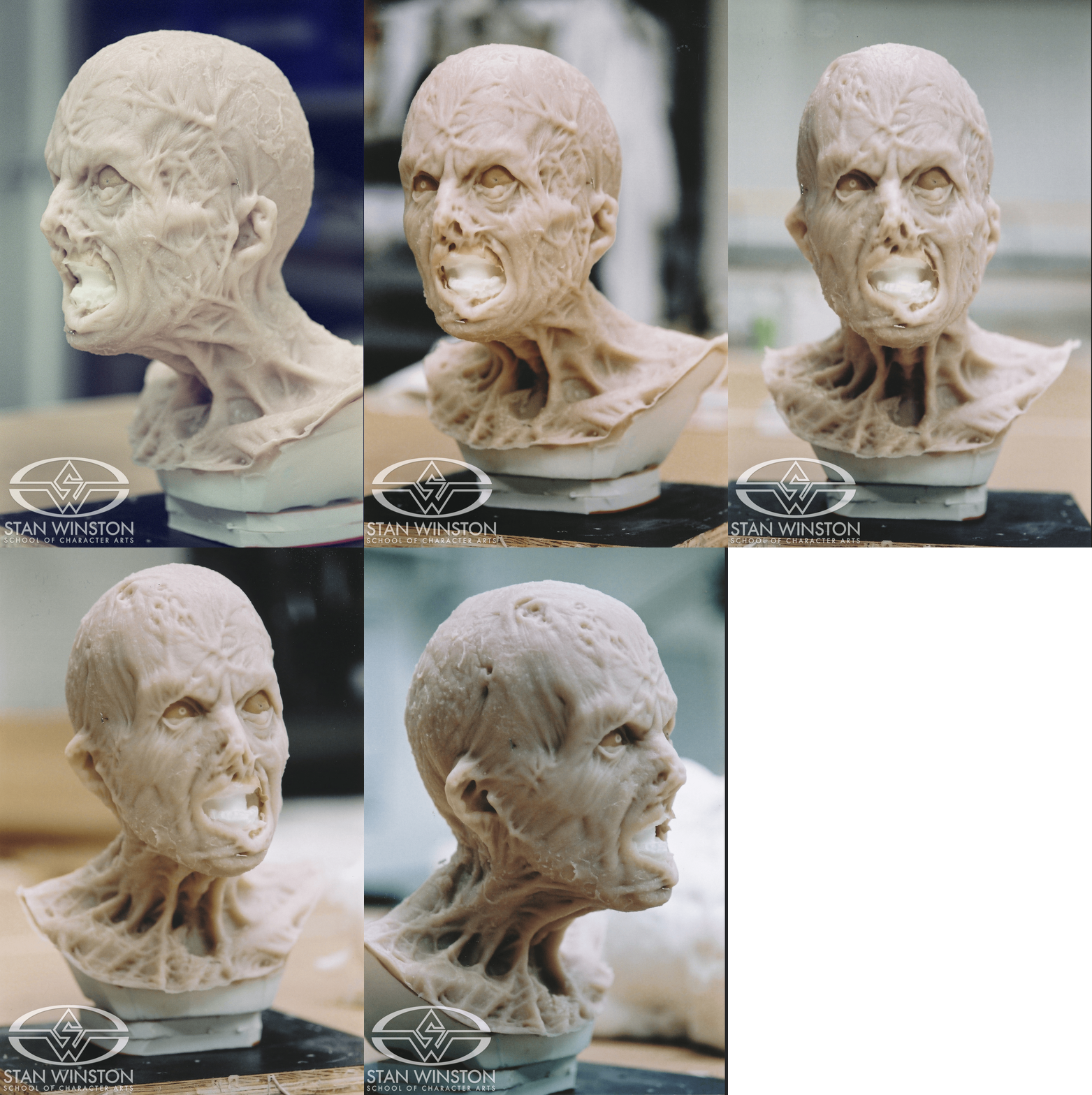 (Tooth Fairy's silicone head after cast and molding at Stan Winston Studio.)
“I sculpted this burned woman’s face, torso, and arms,” said Matthews. “It tapered off to nothing at the pelvis, because it was going to be covered in a long, flowing dress. After the puppet was built, four of us went to Sydney for a month to shoot it.”
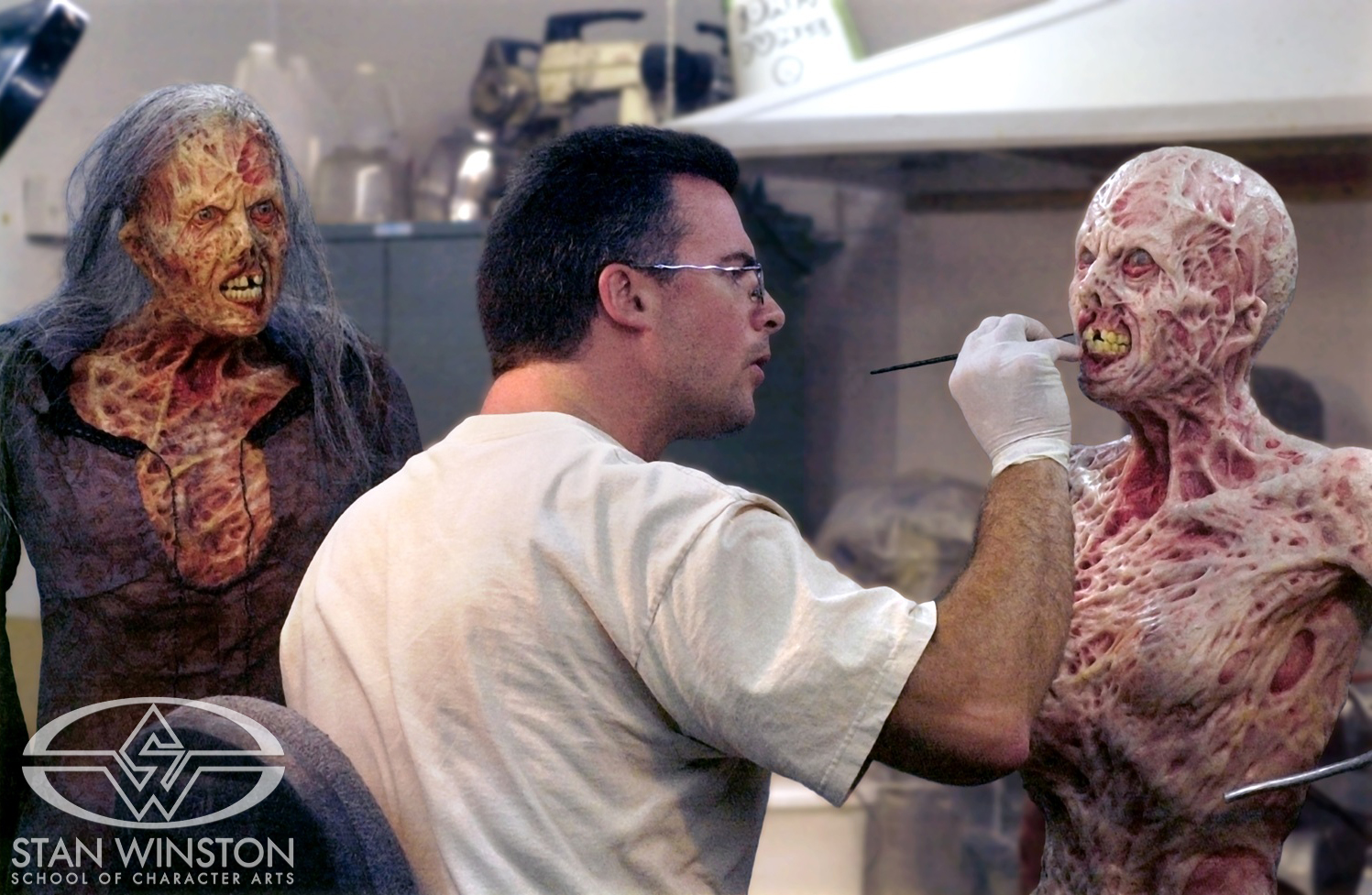 (Nick Marra paints one of the Tooth Fairy puppets at Stan Winston Studio.)
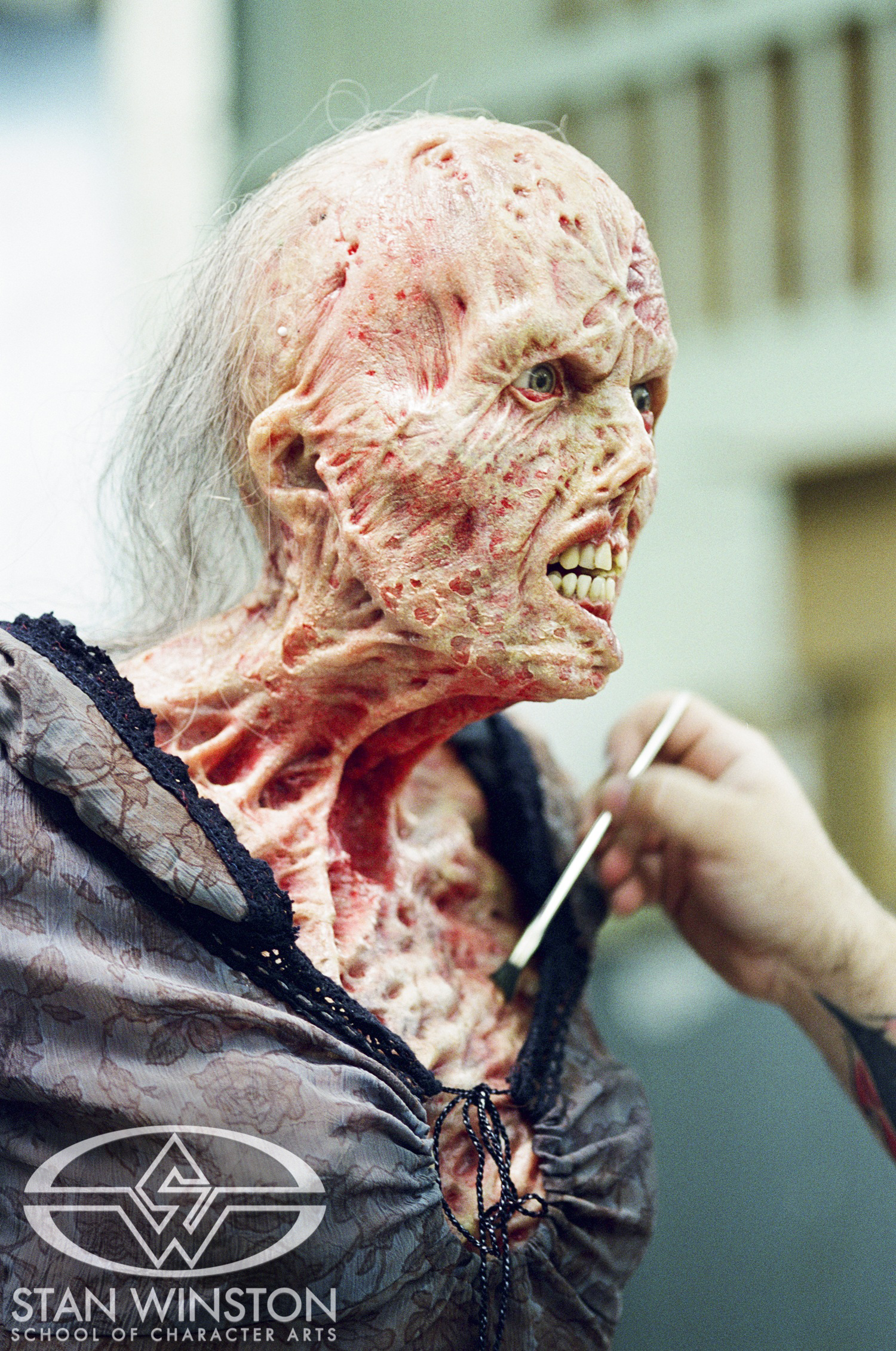 (Painting Darkness Falls' Tooth Fairy puppet.)
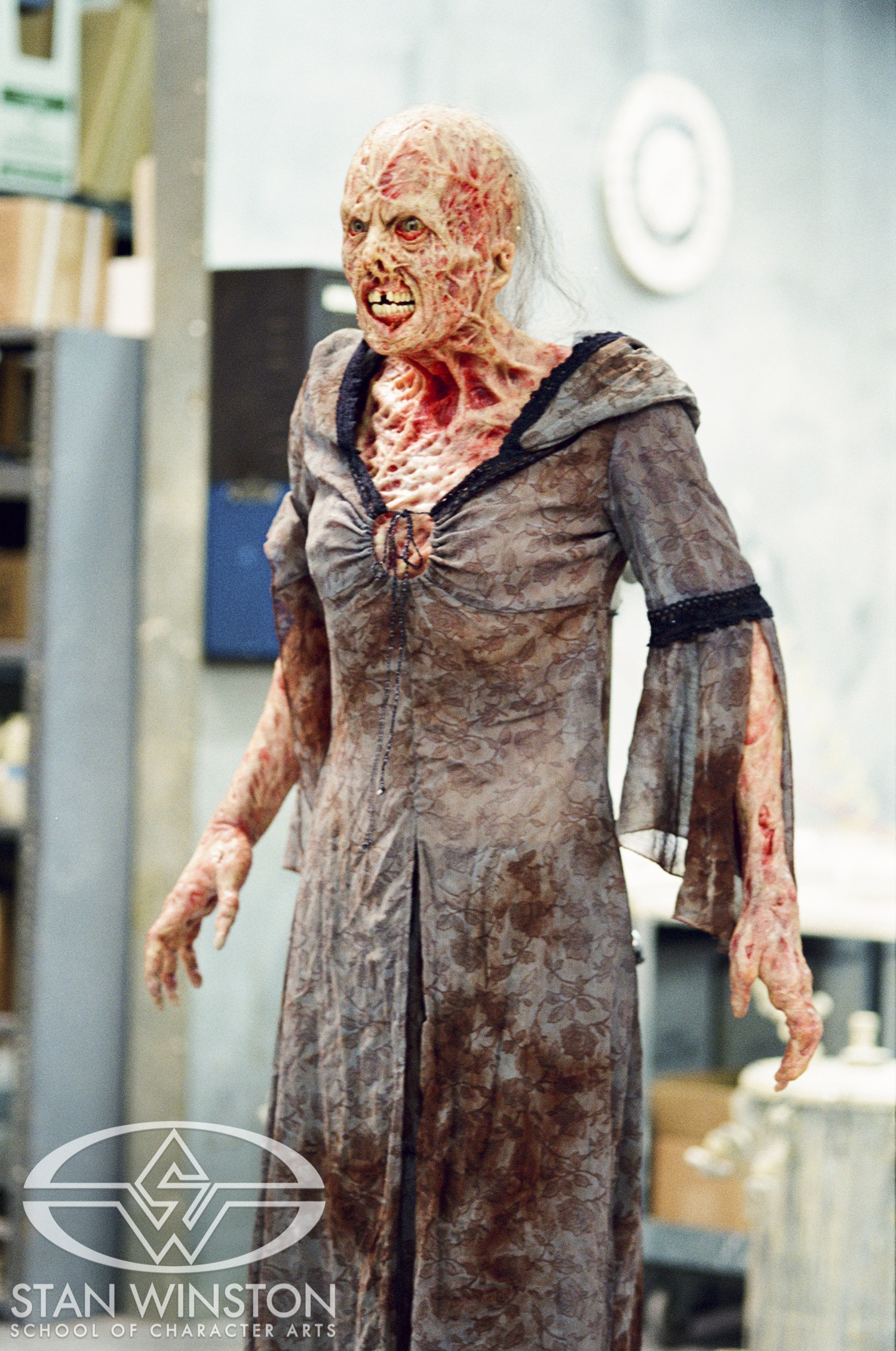 (Tooth Fairy puppet is ready for a test at Stan Winston Studio.)
The puppet incorporated animatronics designed by Richard Landon and exhibited a full range of movement in her face, eyebrows, and cheeks. The jaw could open, the neck could move, the shoulders could shrug, and her hands could be posed.
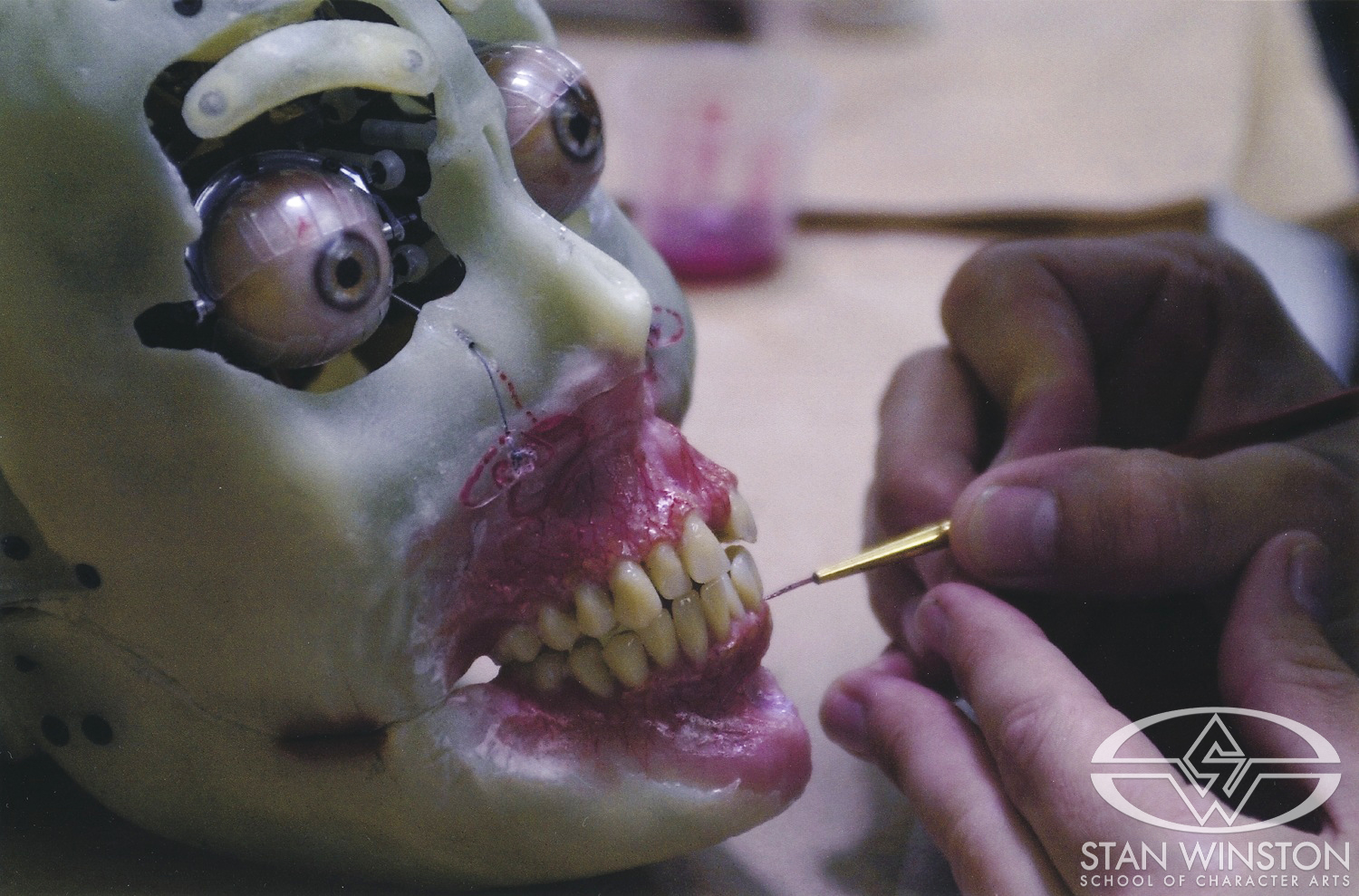 (Painting the mouth section of the animatronic Tooth Fairy head for Darkness Falls.)
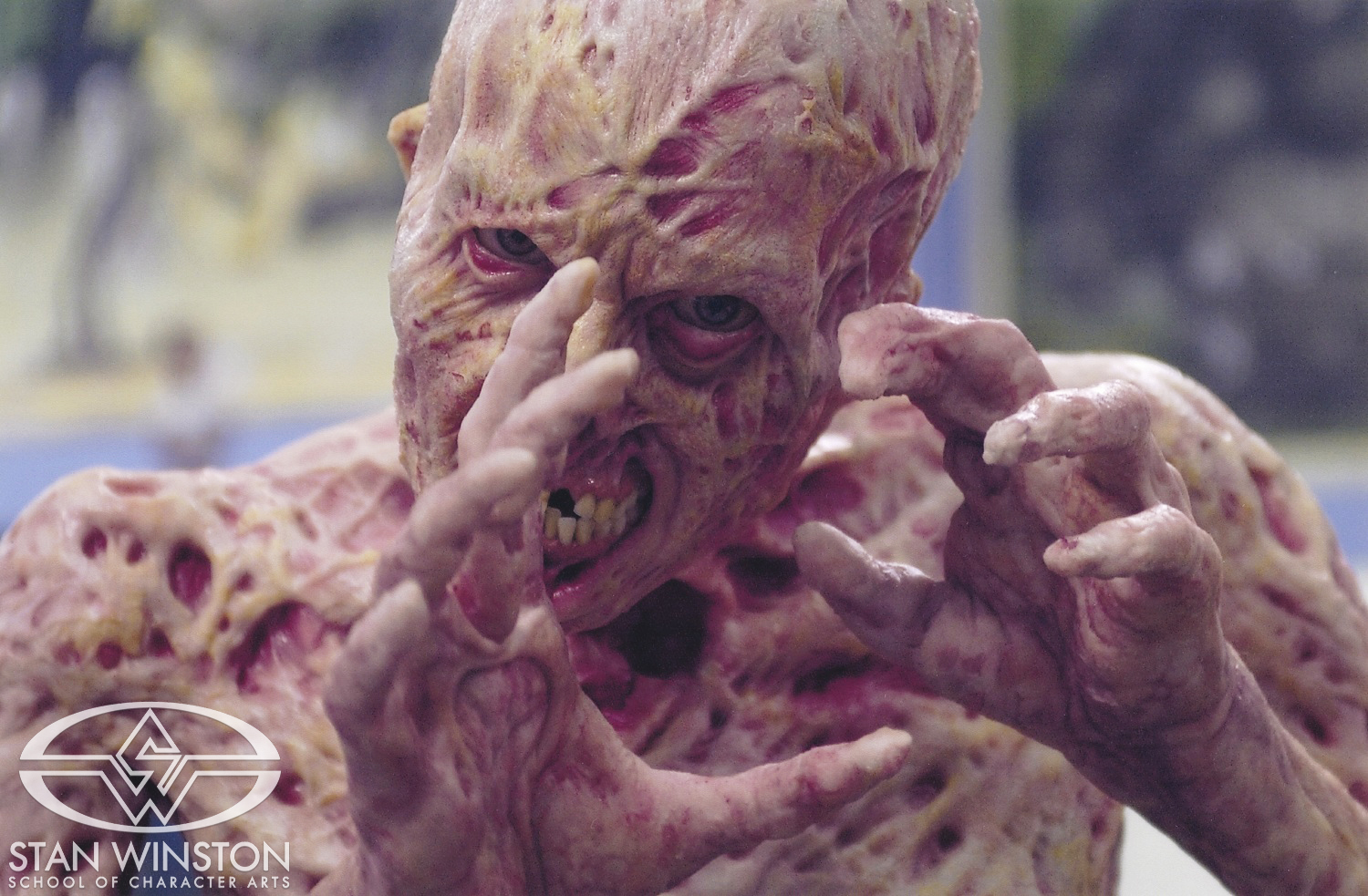 (A staged pose at Stan Winston Studio of the Tooth Fairy for Darkness Falls.)
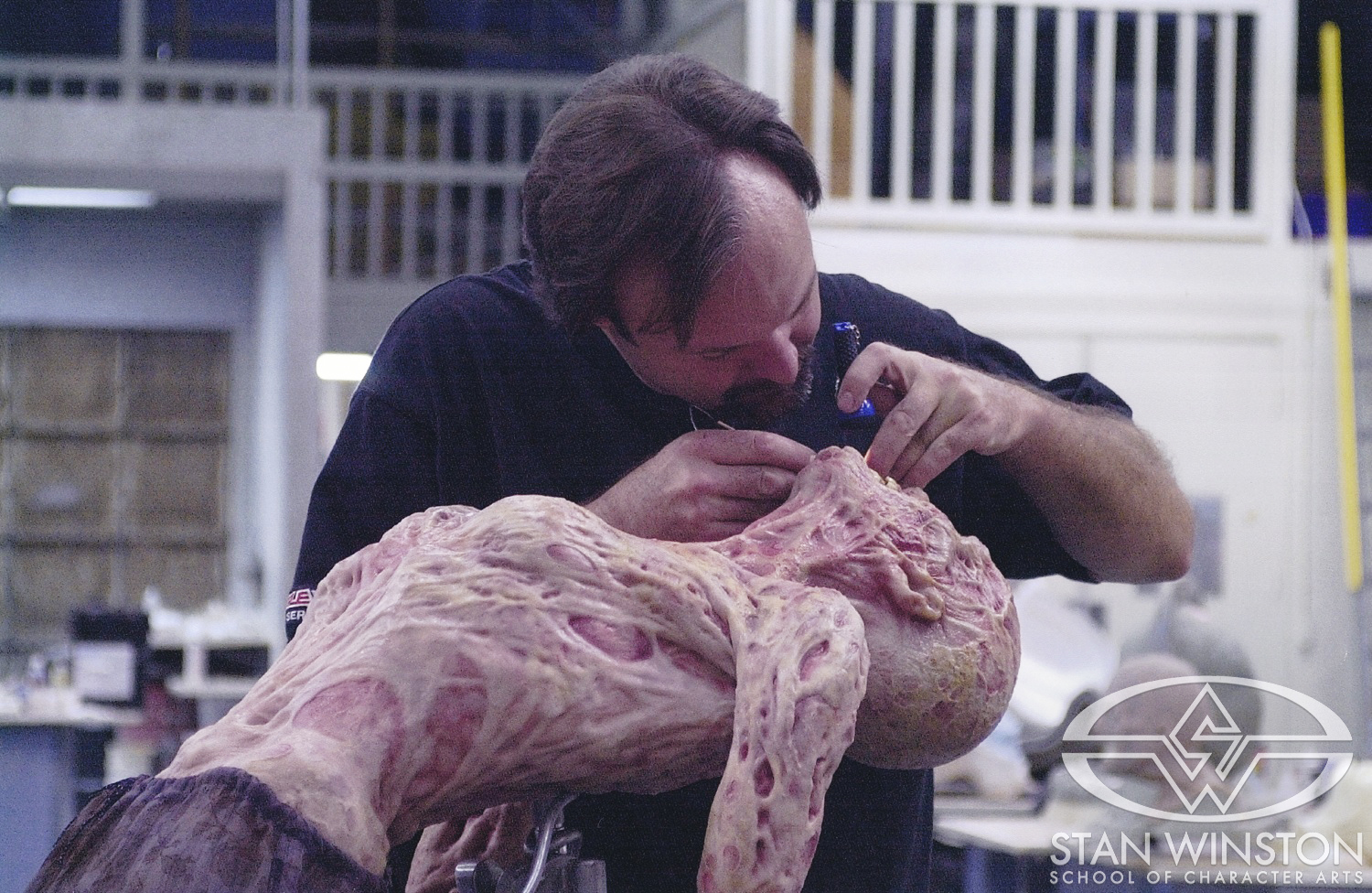 (Richard Landon adjusting the mouth animatronics of the Tooth Fairy for Darkness Falls.)
“That was a fun project for us,” said Rob Ramsdell, part of the four-man puppeteering team, “because the filmmakers were really interested in getting our input. They wanted to know what we thought the character would be thinking and doing. It was a rare experience where we weren’t so much told what to do as asked what we thought should happen. It was great to be at that creative level.”
VIDEO CLIP -- Tooth Fairy puppet test at Stan Winston Studio. Puppeteers: John Rosengrant, Jason B Matthews, John Cherevka, Brian Namanny, Richard Landon, Rob Ramsdell & Arjen.
- Blog partially excerpted from The Winston Effect: The Art and History of Stan Winston Studio by Jody Duncan
Courses with the creators of Darkness Falls (2003):
- Creature Screenwriting: How to Write Memorable Monsters with Juliet Snowden & Stiles White
- Special Effects Sequence Design with Shane Mahan
- Hybrid Character Design: Practical to Digital with Christopher Swift
- Animatronics Design Basics with Richard Landon
- Cable Mechanism Basics - Tentacles with Richard Landon
- How to Paint a Monster Mask with Steve Wang
- Metallic Painting Techniques - Robot Finishes with Rob Ramsdell
- Making Creature Eyes with John Cherevka
- How to Make Eyes: Puppets, Masks & Makeups with John Cherevka
- Advanced Creature Teeth: Prosthetic Dental Appliances - Part 1 with John Cherevka
- Hairy Creatures Series - Introduction to Hair Knotting with Michael Ornelaz