
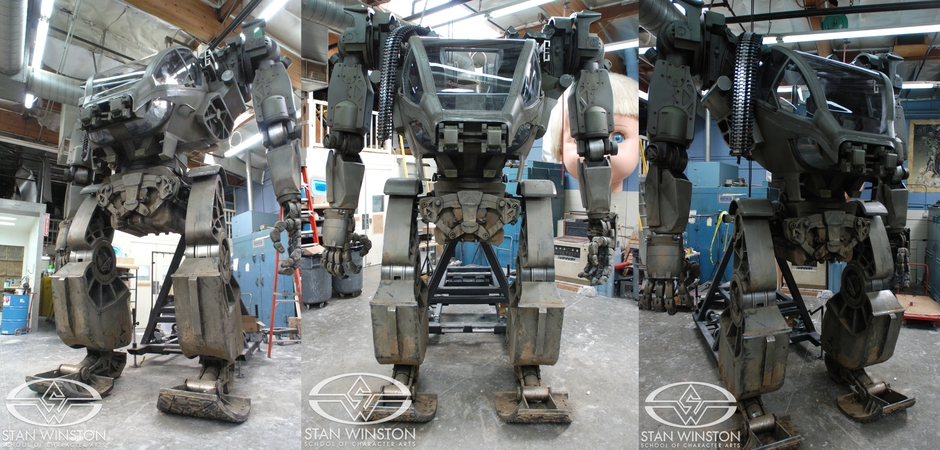
In this FREE excerpt from the Stan Winston School of Character Arts course, Hybrid Characters: Blending Practical & Digital FX, Academy Award-nominated character creator, Stan Winston protégé, and co-founder of Legacy Effects John Rosengrant reveals the groundbreaking techniques used to create the out-of-this-world, hybrid mechs and aircraft in James Cameron’s epic sci-fi film, Avatar (2009).
Jump To Section
- Designing and Conceptualizing the Avatar AMP Suit
- Prototyping and Texturing the AMP Suit
- Using Motion Capture for the Performance of the AMP Suit
- Building and Shipping the AMP Suit
- Building the Scorpion Gunship
To watch the complete video, click the player above!
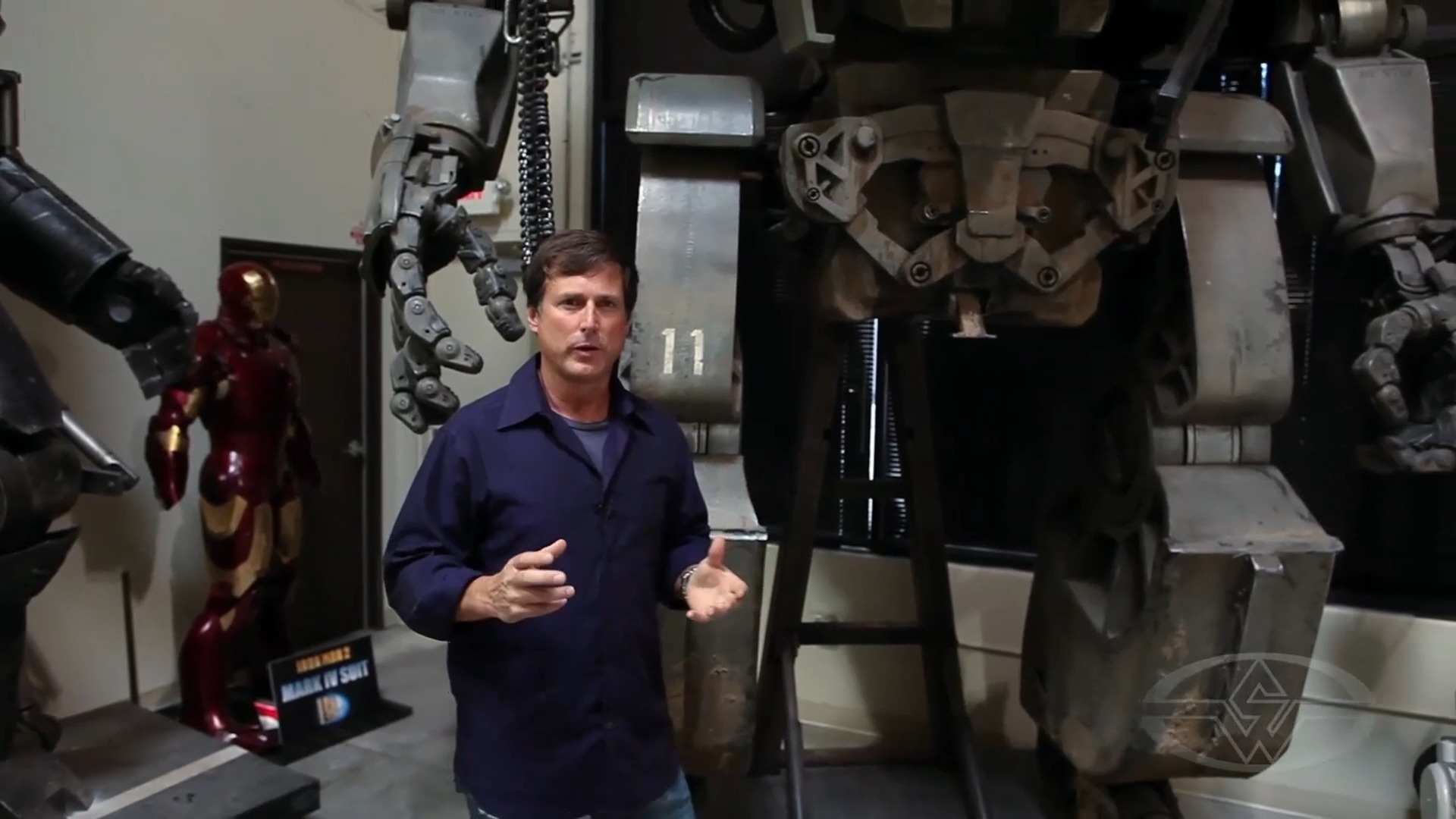
In this behind-the-scenes lesson, Rosengrant pulls back the curtain on the practical FX and CGI hybrid special character effects used to build Avatar’s amplified mobility platform (AMP) suit and AT-99 Scorpion Gunship, aka the Scorpion. No matter whether you’re making a monster, alien, or robot, you can apply these methods to achieve realism and believability with your own hybrid characters!
Designing and Conceptualizing the Avatar AMP Suit
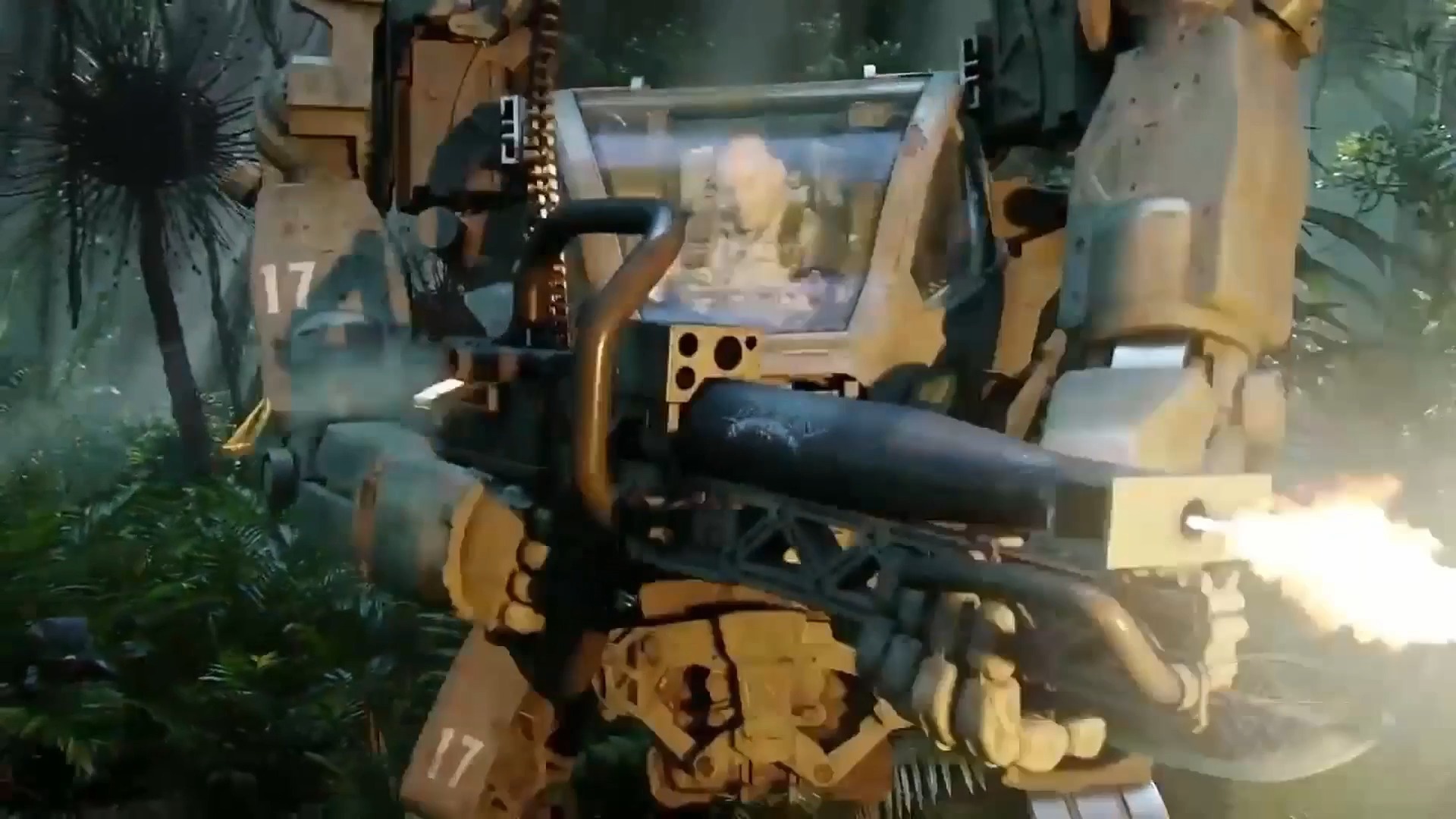 (Corporal Lyle Wainfleet operating his AMP suit during the Battle of Ayram Alusìng. Image courtesy of Twentieth Century Fox.)
The Avatar AMP suit was meticulously made using both practical and digital effects. From the beginning, the idea was to create a hybrid character: a fully digital machine packed with personality—and a powerful punch.
Rosengrant and the team brainstormed the AMP suit with sketches and designs, incorporating massive input from James Cameron. Every nut bolt that you see on the suit was designed and all part of the process, Rosengrant says.
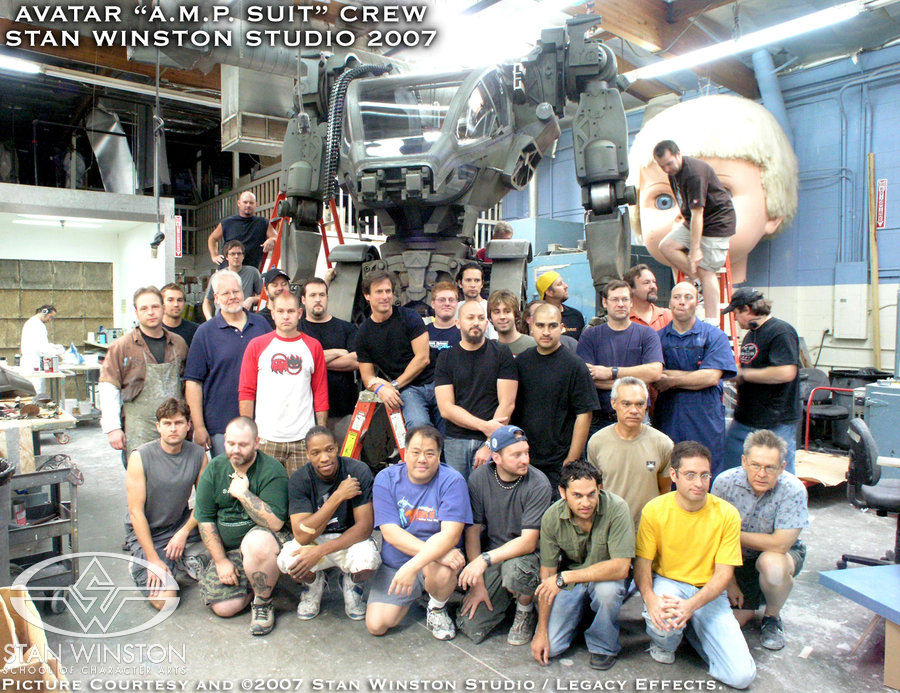 (The incredible Stan Winston Studio/Legacy Effects crew that brought the Avatar AMP suit to life.)
The design work was a multi-team effort. Rosengrant’s team was primarily responsible for the character-based portion of the design, he says. Meanwhile, the team at Lightstorm Entertainment designed all the hardware originally in SketchUp, a 3D program that’s great for visualizing using 3D renders that you can digitally paint. However, it isn’t designed for rapid prototyping, which is the automatic construction of physical objects using additive manufacturing technology. SketchUp is better for fleshing out an idea to present in 3D.
Once there was a design, the team did a wooden mock-up of the canopy since Cameron wanted to be able to climb inside of it and see if it really worked. (Talk about the dedication to your craft—literally!)
The plan was to make something like a functionable telemetry device so that a pilot (Cameron in this case) would strap into it to control it and have his leg and body movements translated to the suit. Cameron could climb into the mock-up and share his feedback. Once they made the final adjustments, it was time to build the real piece.
The artists at Stan Winston Studio built the AMP suit as a 3D model with the intention of taking it to a rapid prototyping stage. That digital asset could then be shared with Wētā FX. This allowed everyone to work off the same information, originally derived from Cameron’s SketchUp model.
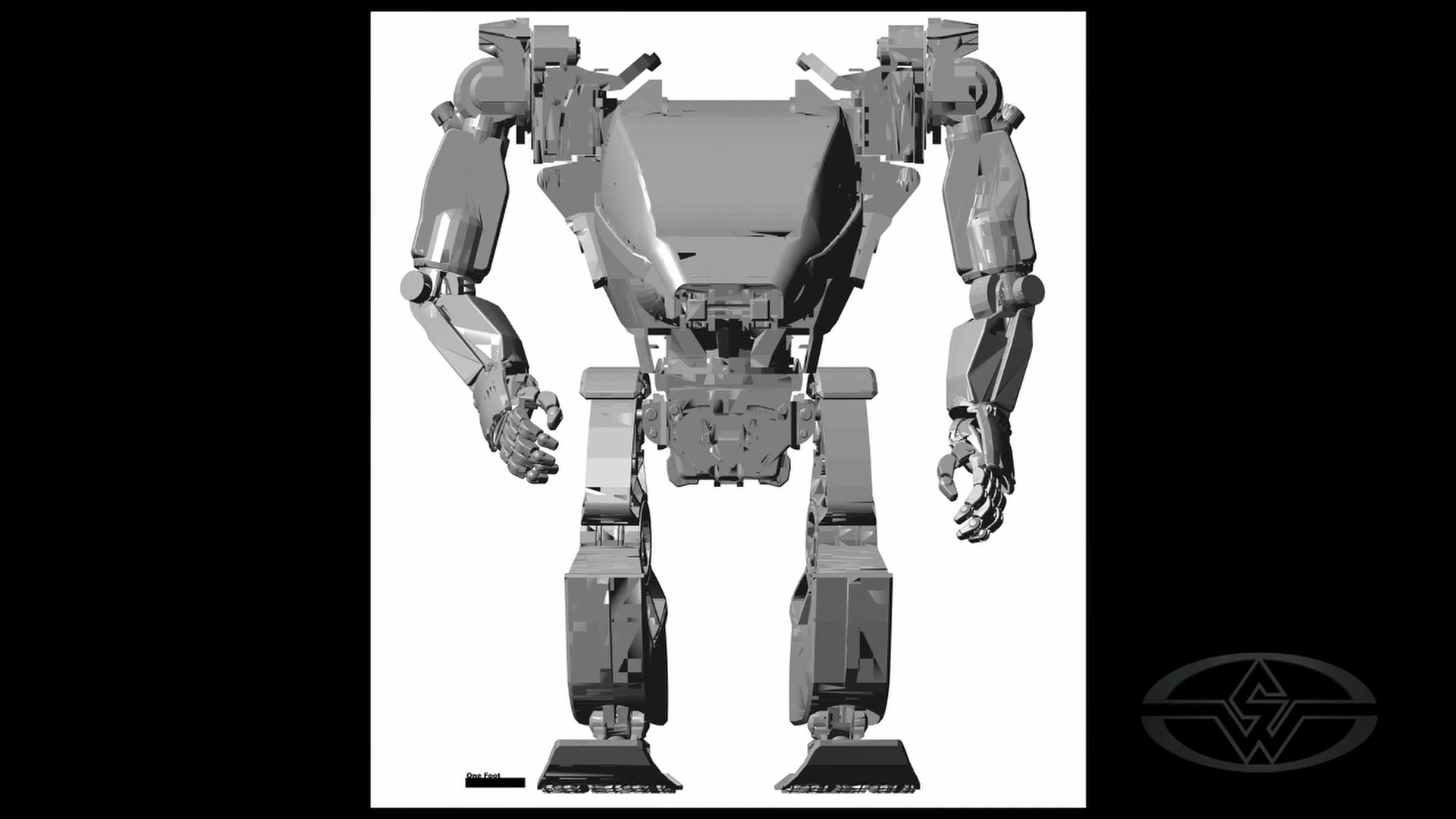 (The AMP suit design for Avatar.)
Prototyping and Texturing the AMP Suit
The team modeled the AMP suit in Autodesk SoftImage XSI and created an exploded view which was over a thousand parts. Like automotive repair manuals that show you how to disassemble and reassemble your car engine, the team also needed to have a parts list to keep track of how many pieces to make and run.
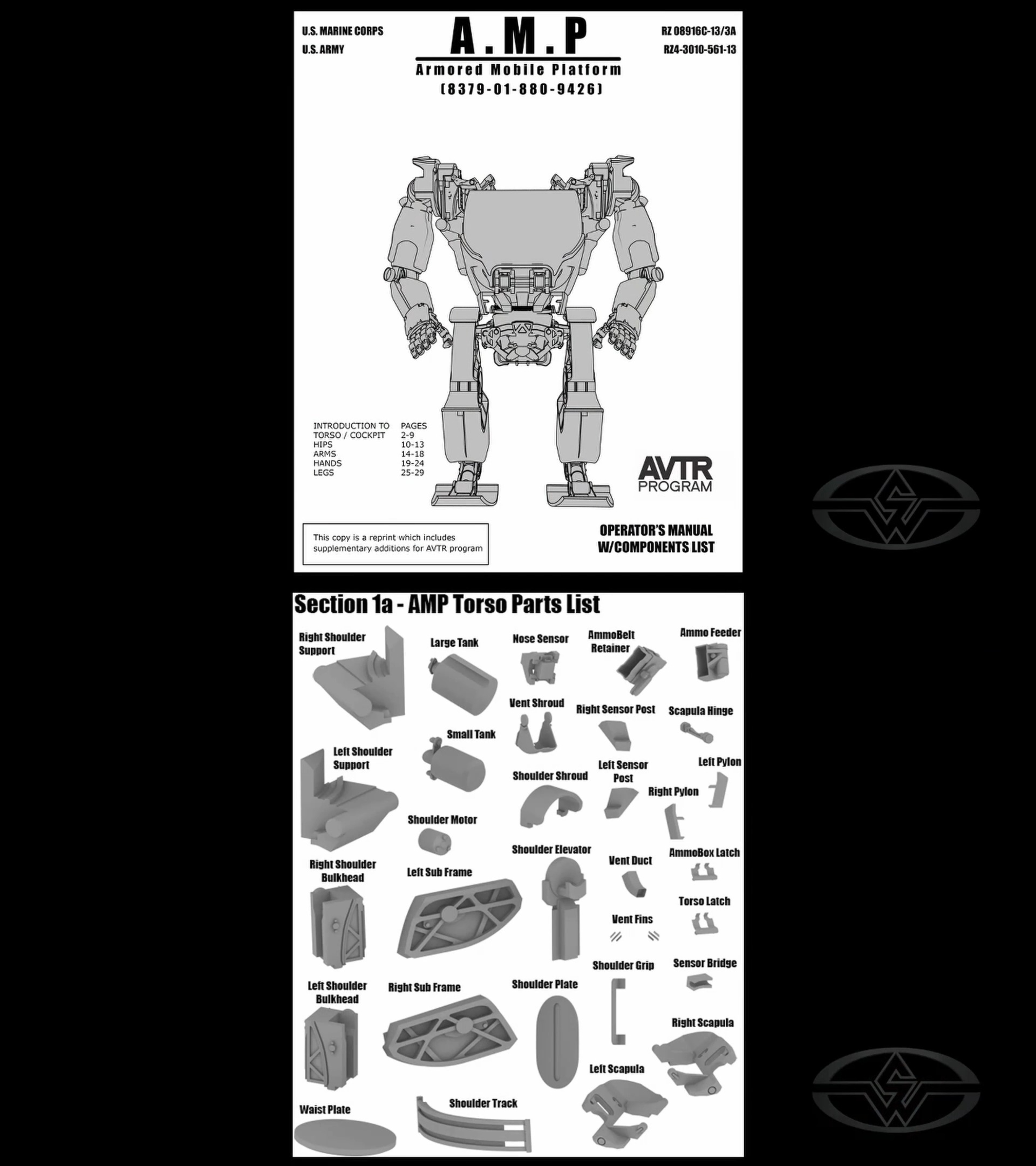 (The operator's manual for the AMP suit with components list to keep track of more than a thousand pieces!)
Every piece was either a rapid prototype or made "old school" (ie. sculpted, molded, and cast) if they felt that was the best approach.
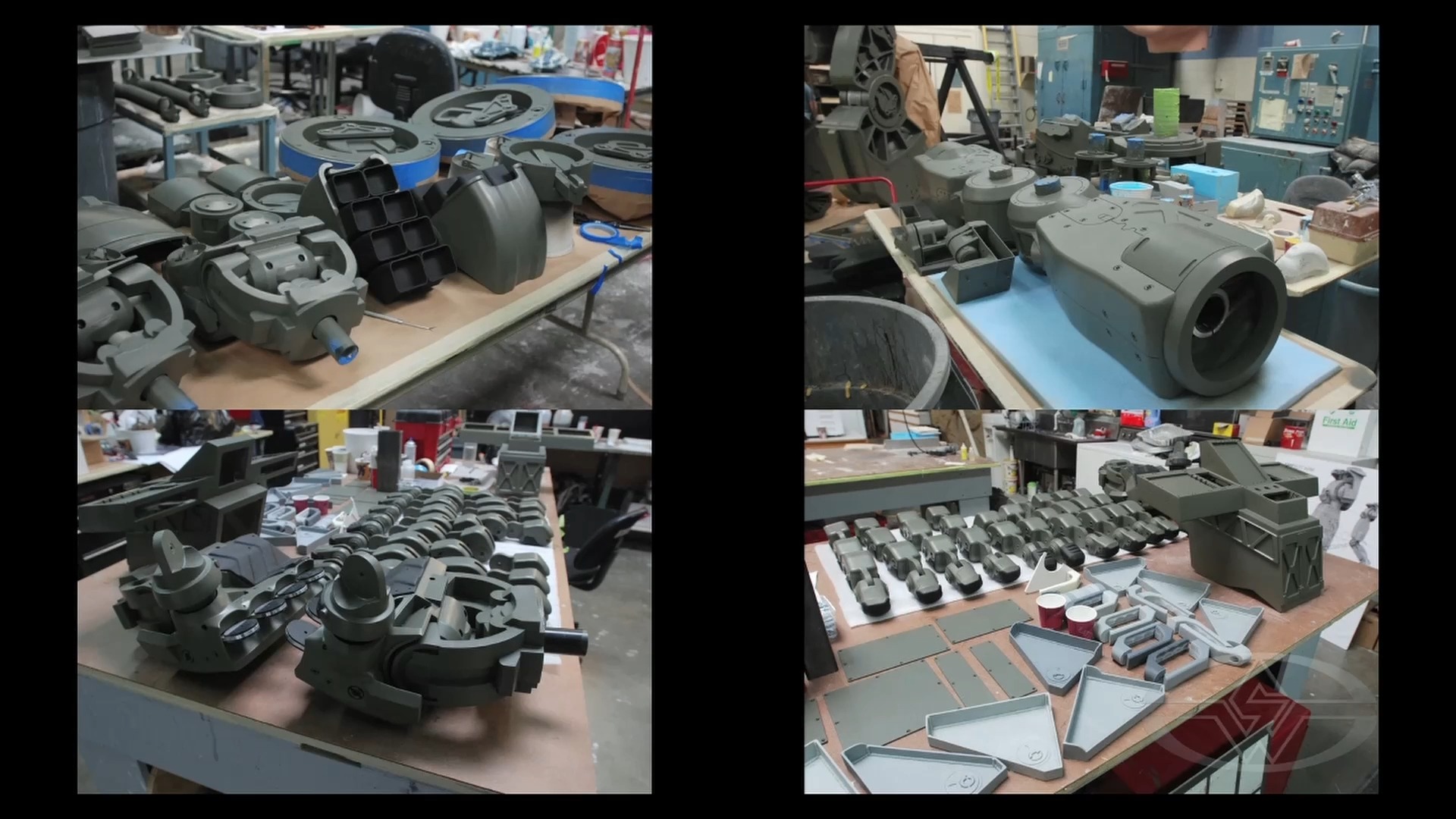 (Various prototypes that were used to make the AMP suit.)
Much of the AMP suit was cut from foam and fit together. Then, when the pieces came back, the model shop team went in to texture them and add a cast metal finish to give it a realistic feel.
“We still wanted it to have a sense of a reality that you can relate to,” Rosengrant says. “It was the same idea that Jim had with the guns. They’d probably be caseless ammo in the future, but Jim said it’s just not as visually entertaining and fun as seeing brass flying.”
Texture was applied to the pieces that were rapid prototyped, and then each piece was molded and cast in the traditional way.
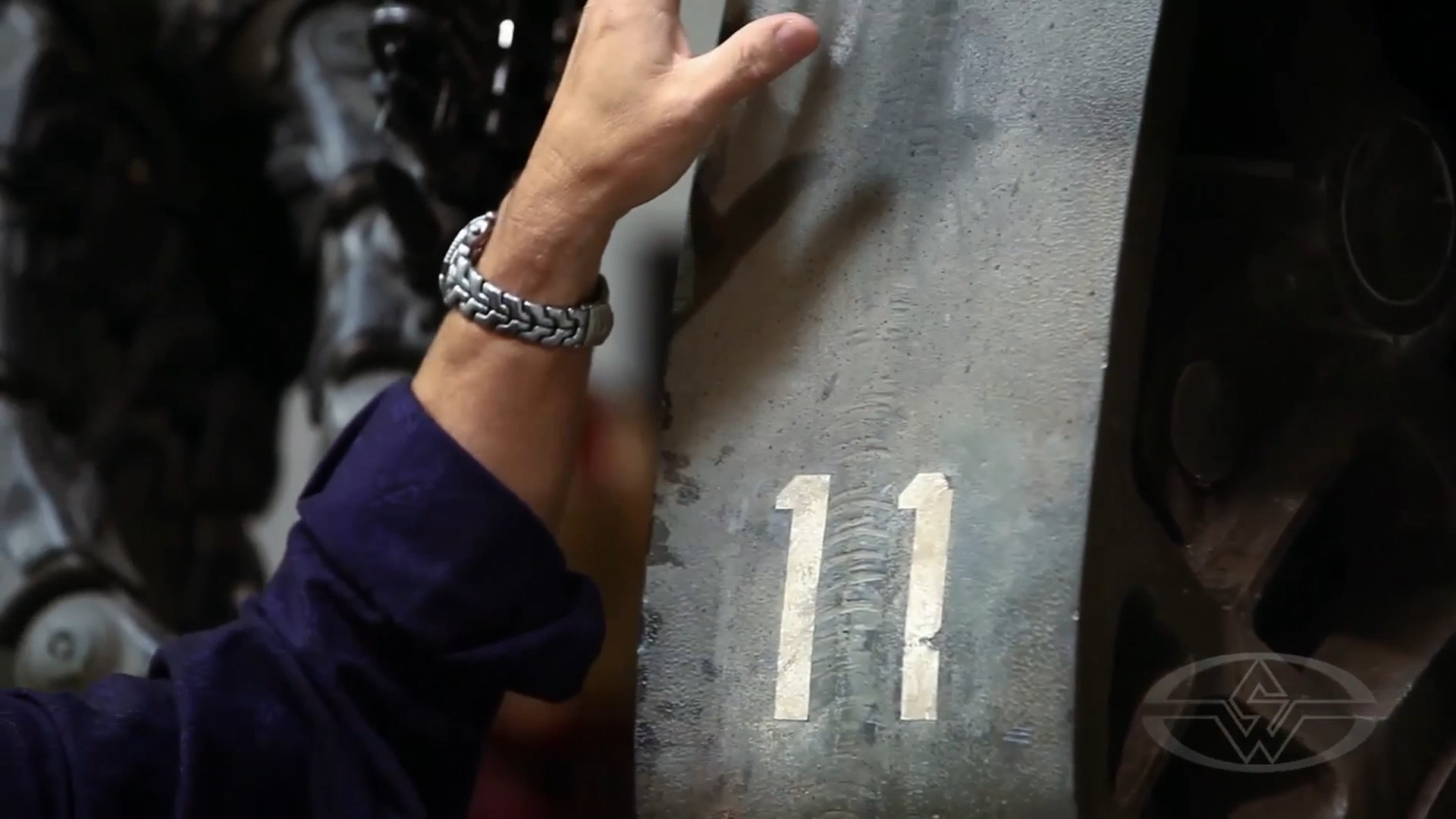 (Rosengrant points out the cast metal texture that was added to give the AMP suit a more realistic look and feel.)
For the interior structure, it was important to have something tangible that the actors could really climb into and feel part of it.
Rosengrant elaborated, “You’re not making anything up when you’re in there.” With an actor on a green screen stage, it can be challenging to know what the real environment would be. But with something practical surrounding the actor physically, they could really react to it.
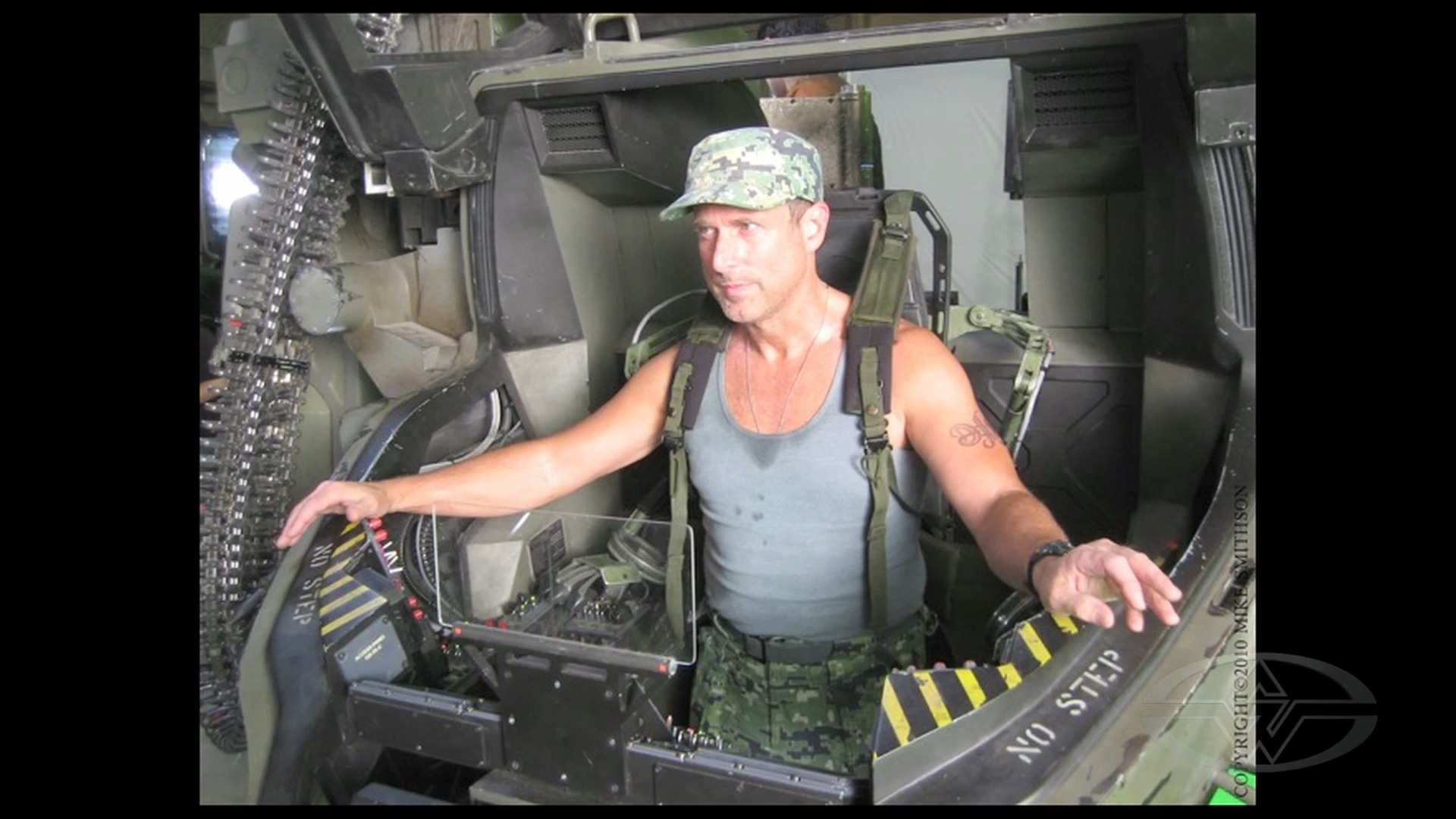 (Rosengrant rocking camo like an RDA soldier and sitting in the cockpit of an AMP suit.)
While there’s plenty of awe-inspiring CG AMP suit performance in the film, all of it is based on the model Rosengrant and the Stan Winston team made. It was photographed extensively to come up with the colors and to depict how it reacts in various lighting situations.
Using Motion Capture for the Performance of the AMP Suit
The AMP suit is seen in the movie as a helpful mech for heavy construction, and later as part of a destructive military weapon against the Na’vi. In all cases, the performance of the AMP suits was entirely motion-captured.
The upper half of the AMP suit was put onto a motion base driving movements based on the motion capture. For this motion capture, there were no legs or arms on the AMP suit.
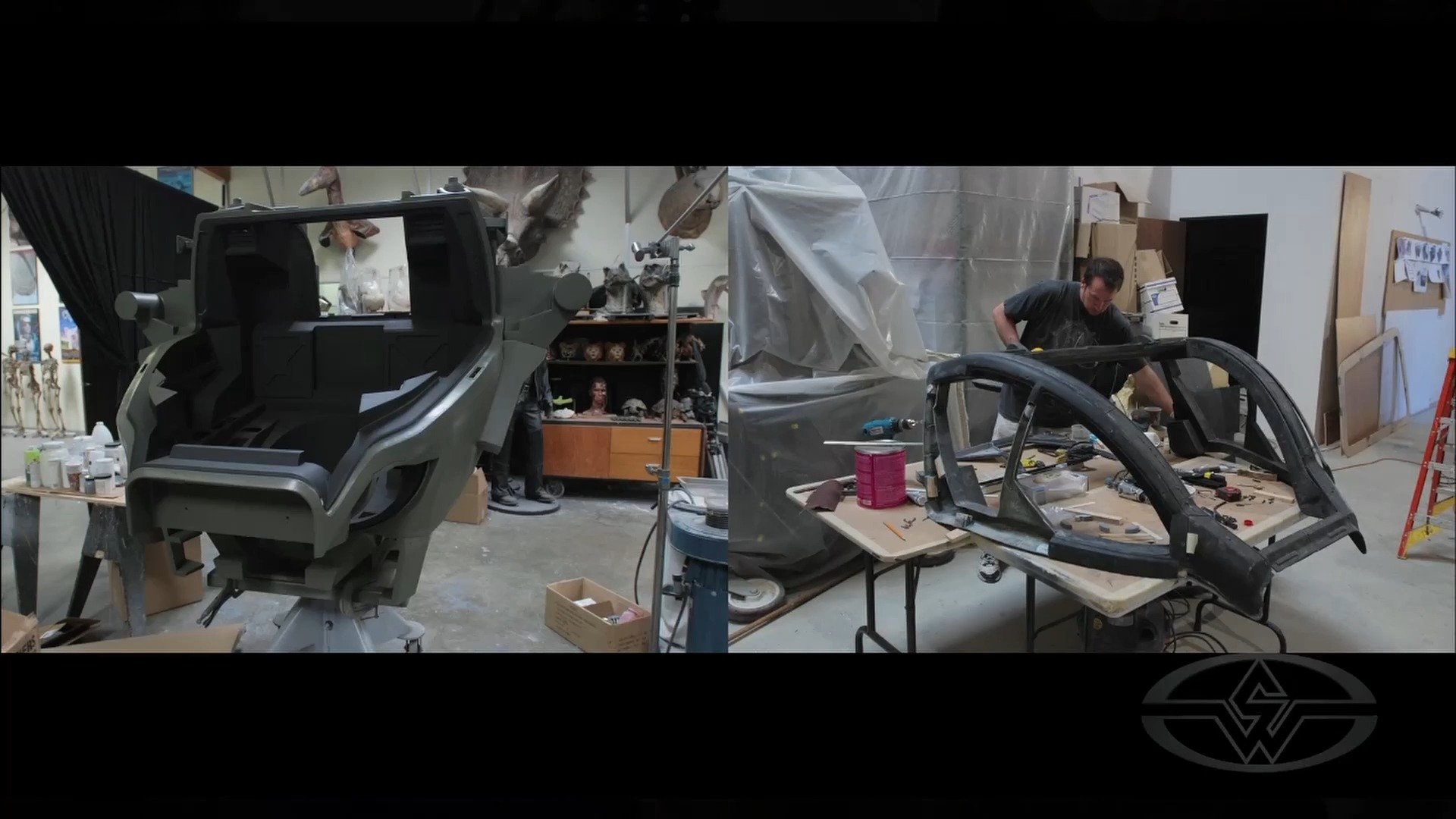
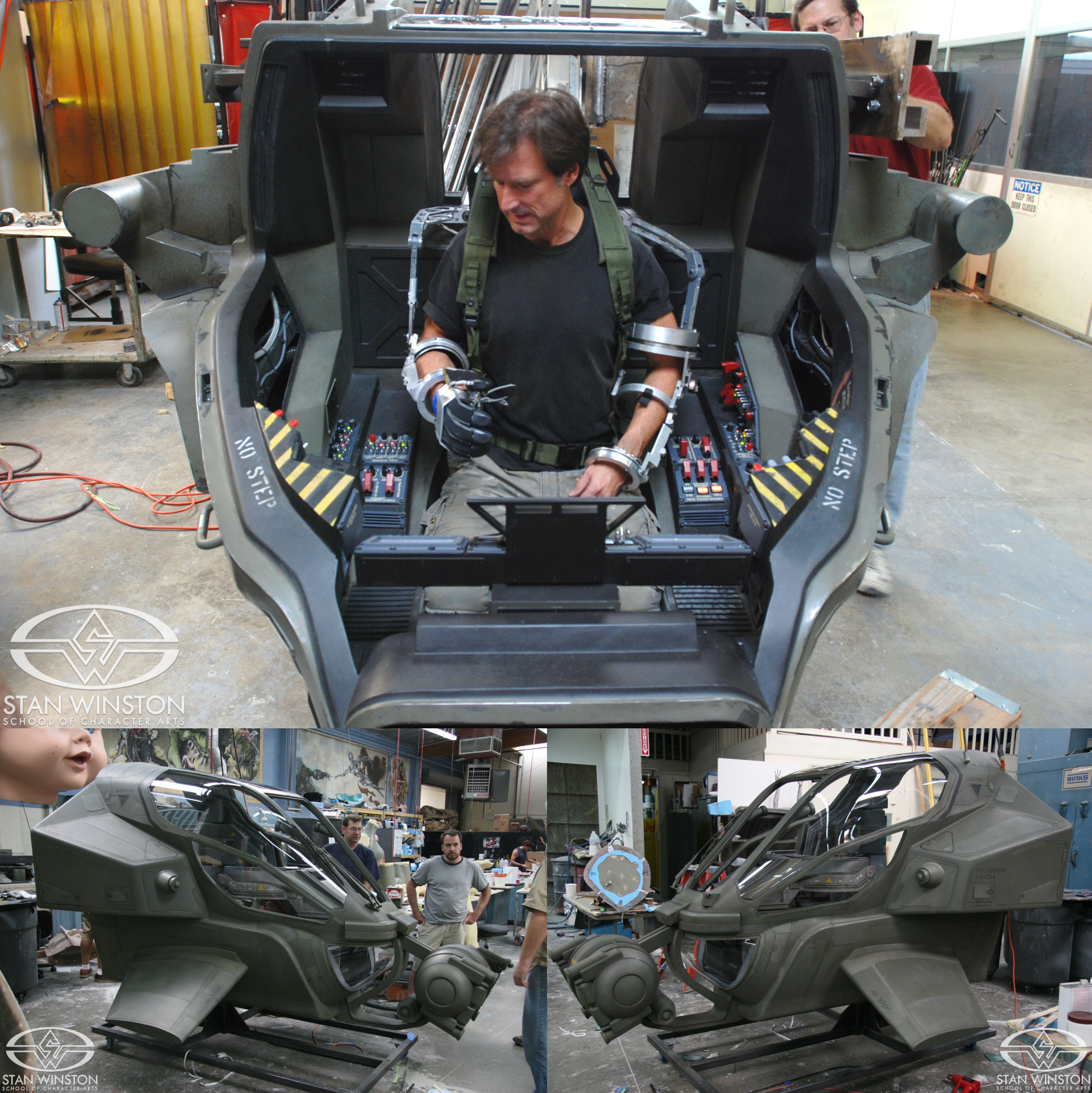 (The team works on making and testing a full-size AMP suit.)
Rosengrant says they sometimes removed the glass for the shot, such as when actor Stephen Lang, who portrays Colonel Miles Quaritch in the film, is inside of the AMP suit piece, reacting and reciting his lines.
“It really grounds it, and it feels really real,” Rosengrant says.
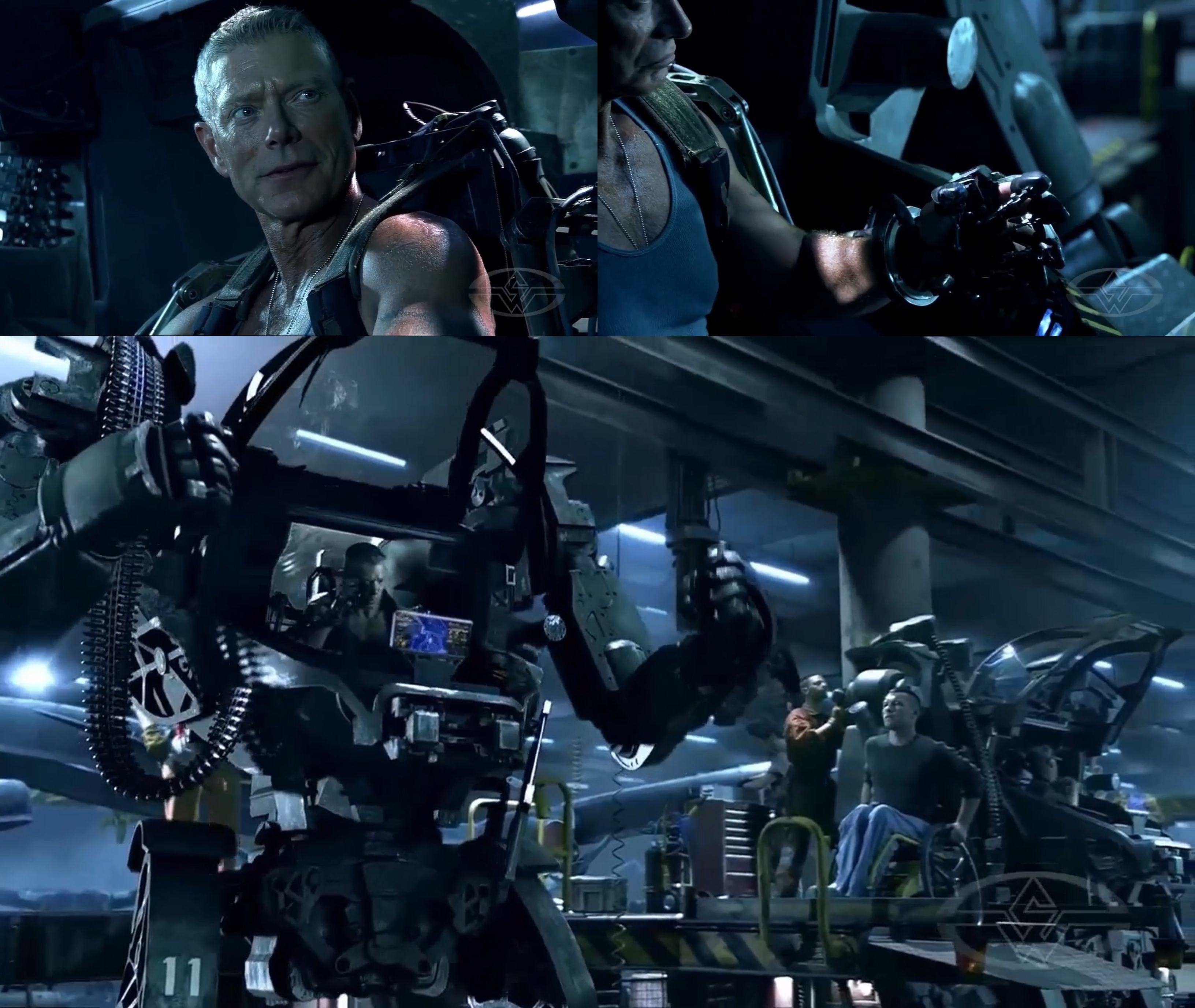 (Colonel Miles Quaritch fiercely operates his AMP suit. Image courtesy of Twentieth Century Fox.)
Building a practical machine and using CG to further elevate it is what makes standout hybrid characters.
To make the AMP suit functional from a practical aspect, the team placed tracking dots all over the model to help the animators line up and reconcile the information. Then, the animators added the arms digitally so there was free fluid motion tied into the cockpit base, though the movements of the base itself were captured from the unit moving around on the hydraulic motion control system.
The result on screen was a hybrid blend of techniques, Rosengrant says. These included: complete CG, complete static models, an interactive working prop with lights inside, as well as a hybrid combination where the machine is functioning hydraulically on a motion base with an actor riding in it, and the arms and legs added digitally. Together, these achieve everything you see when the AMP suits appear in Avatar.
Building and Shipping the AMP Suit
The team built the AMP suit in less than four months so it could be crated up, packed in a container on a ship, and shipped down to New Zealand for filming.
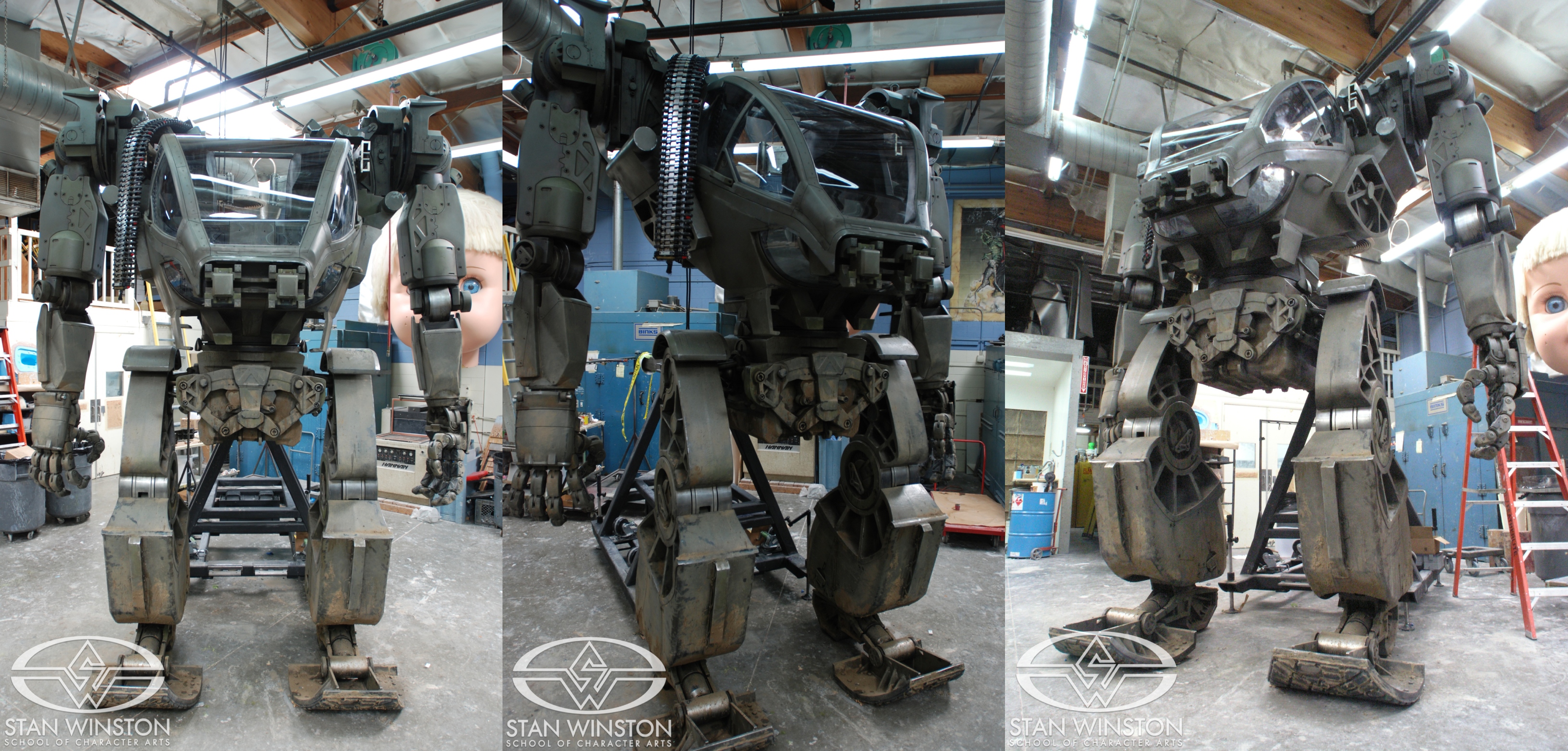 (The AMP suit in all its glory.)
“Not only do you have the stress of building this great machine for James Cameron and making it super cool and making sure it functions and does everything it’s supposed to do, but we also have the stress of that it’s got to get in a container and ship,” Rosengrant says.
They loaded all the pieces for the AMP suit in, which all had to be separated later, and tied them down in a container before making their way to the "land of the long white cloud," the English translation of the Māori name for New Zealand, Aotearoa.
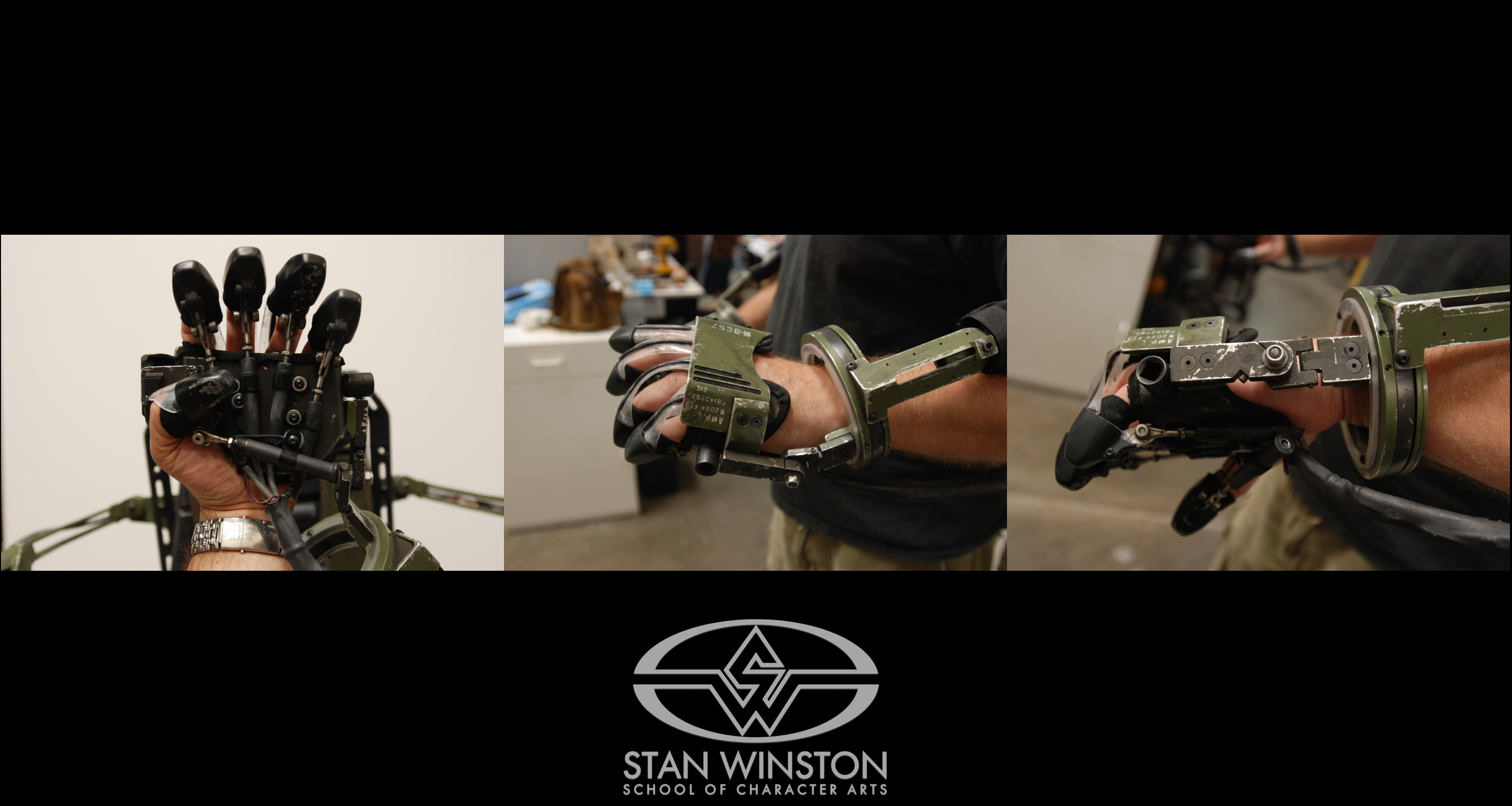 (The AMP suit's controls that mirror the operator's movements.)
Cameron had only seen photographs of the AMP suit, but he hadn't seen the completed unit since it was a wooden mockup.
Rosengrant recounts taking the AMP suit out of the crate in New Zealand and trying to build it on the enormous soundstage filled with different Avatar sets.
With everyone’s anticipation building to see the fabled AMP suit for the first time, Rosengrant says he, executive producer Colin Wilson, producers, and first assistant director Josh McLaglen attempted to assemble the suit in a corner, away from prying eyes. That way, Cameron could get the full impact of the suit upon seeing it for the first time.
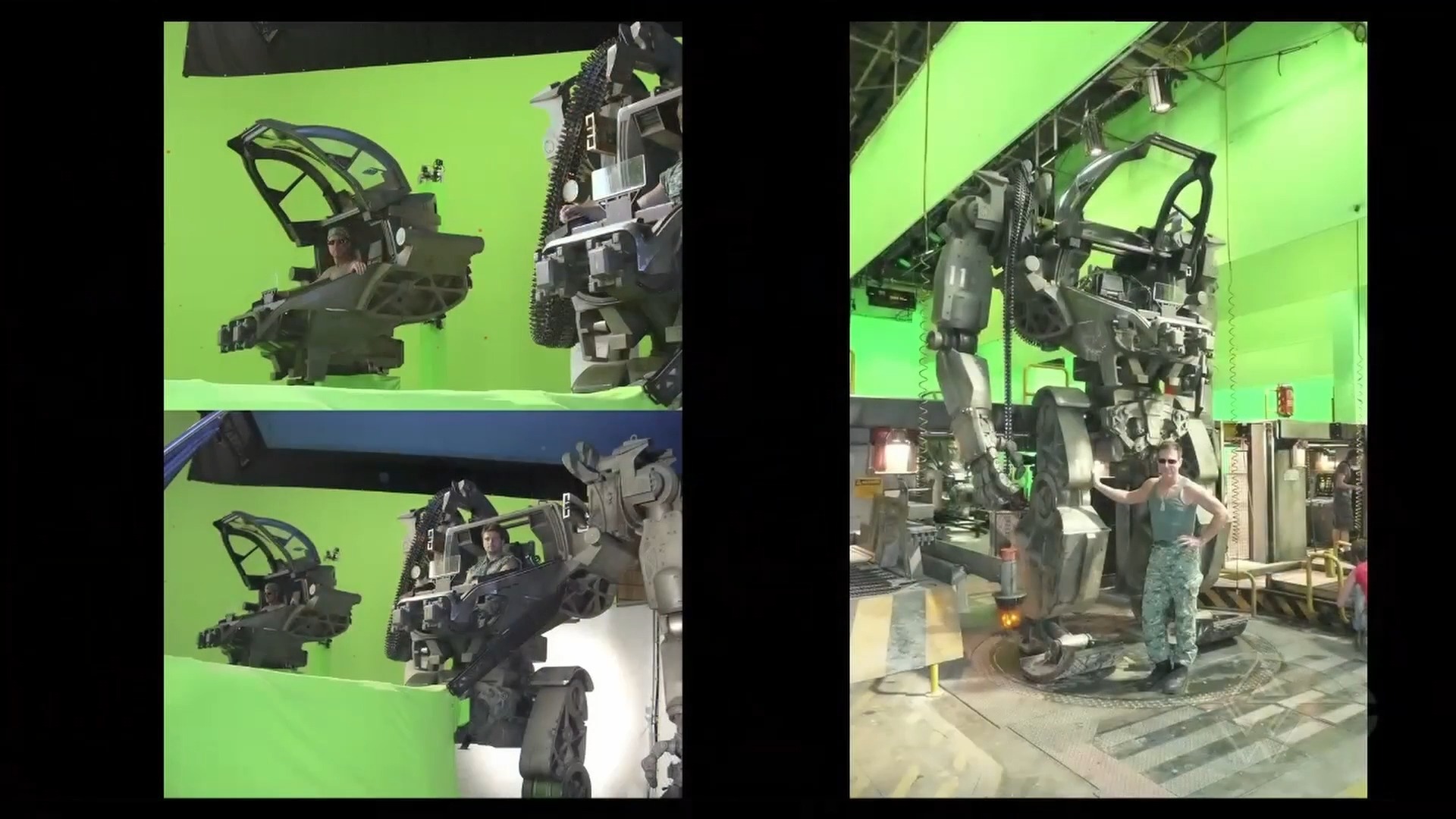 (The AMP suit on the set of Avatar.)
Their caution and patience paid off. Cameron was thrilled. “That’s quite a build-up. But for Jim to see it and love it—it was a huge relief,” Rosengrant says with a laugh.
Building the Scorpion Gunship
The aggressive, arachnid-inspired aircraft known as the Scorpion is another example of a hybrid character in Avatar. The entire model of the gunship was roughly 25 feet long.
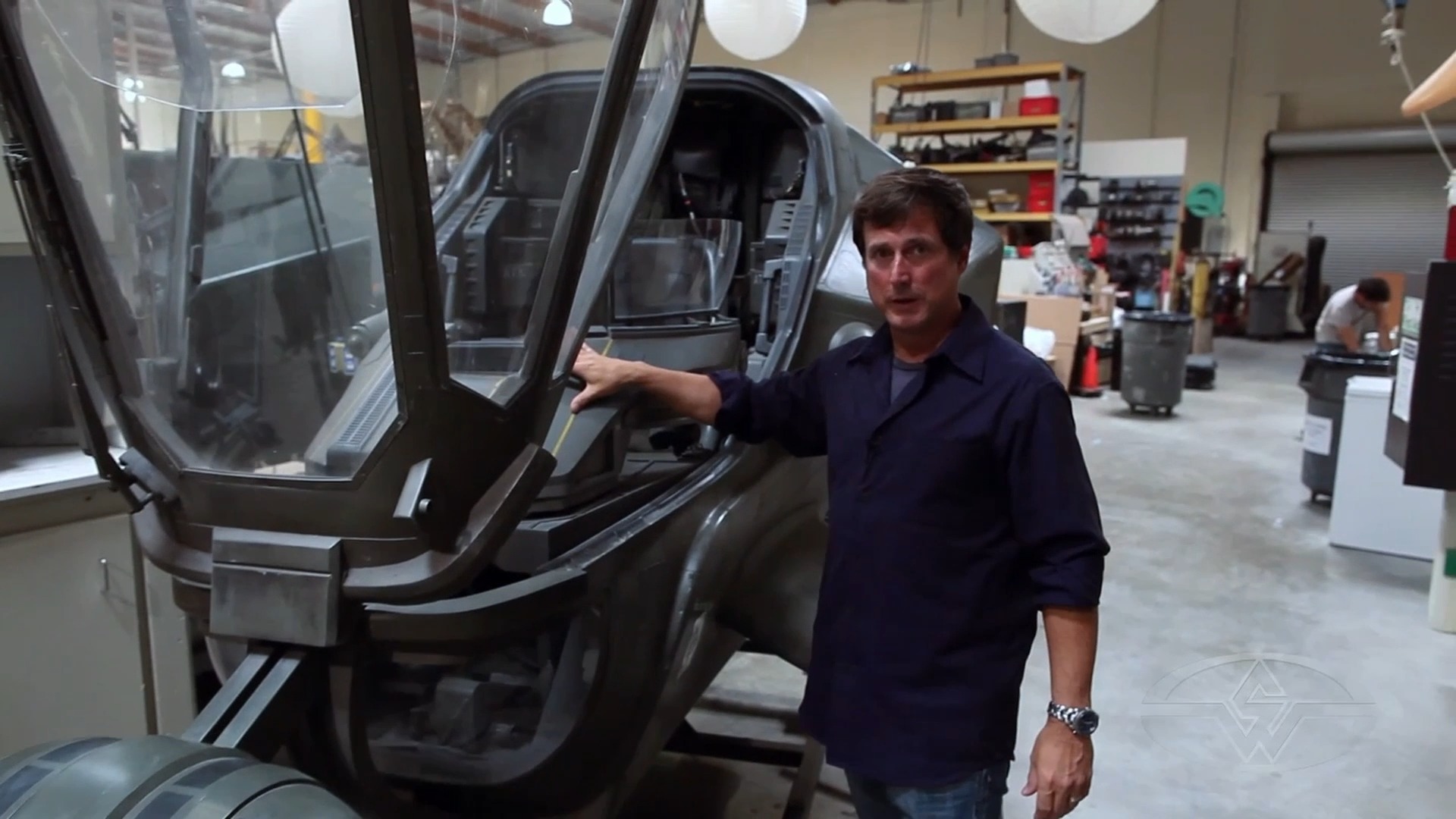 (Rosengrant shows the nose of the Scorpion helicopter.)
By building the front of the craft practically, the team could get shots of the film’s RDA pilots jumping in with the canopy coming down, then adding onto it using CG extension.
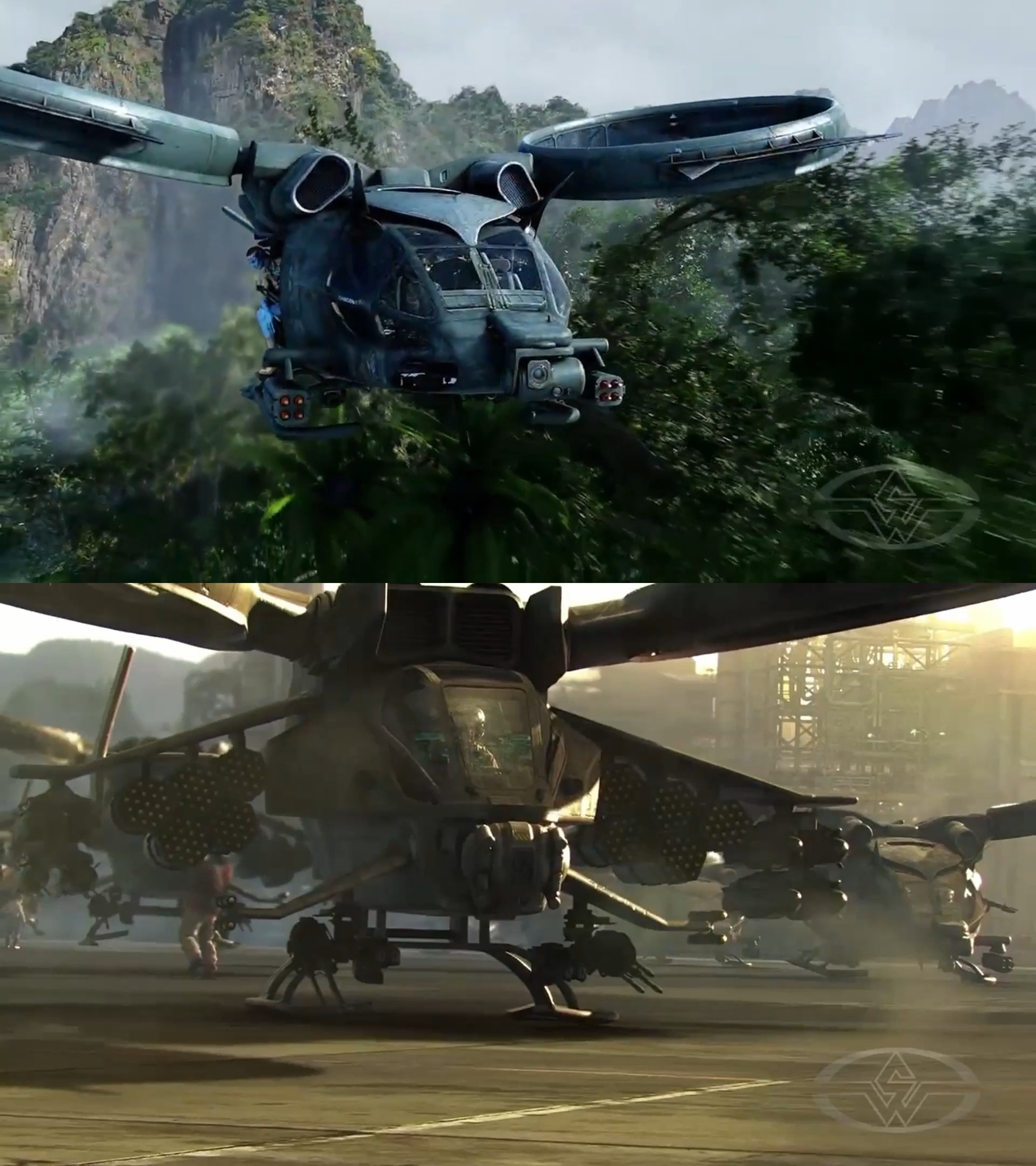 (The Scorpion in action. Image courtesy of Twentieth Century Fox.)
Much like the AMP suit, the Scorpion was put onto the motion base so they could get specific shots, such as rocking, flying, shattering glass, as well large Na’vi arrows shooting through to a pilot inside, so the environment could inform the performance.
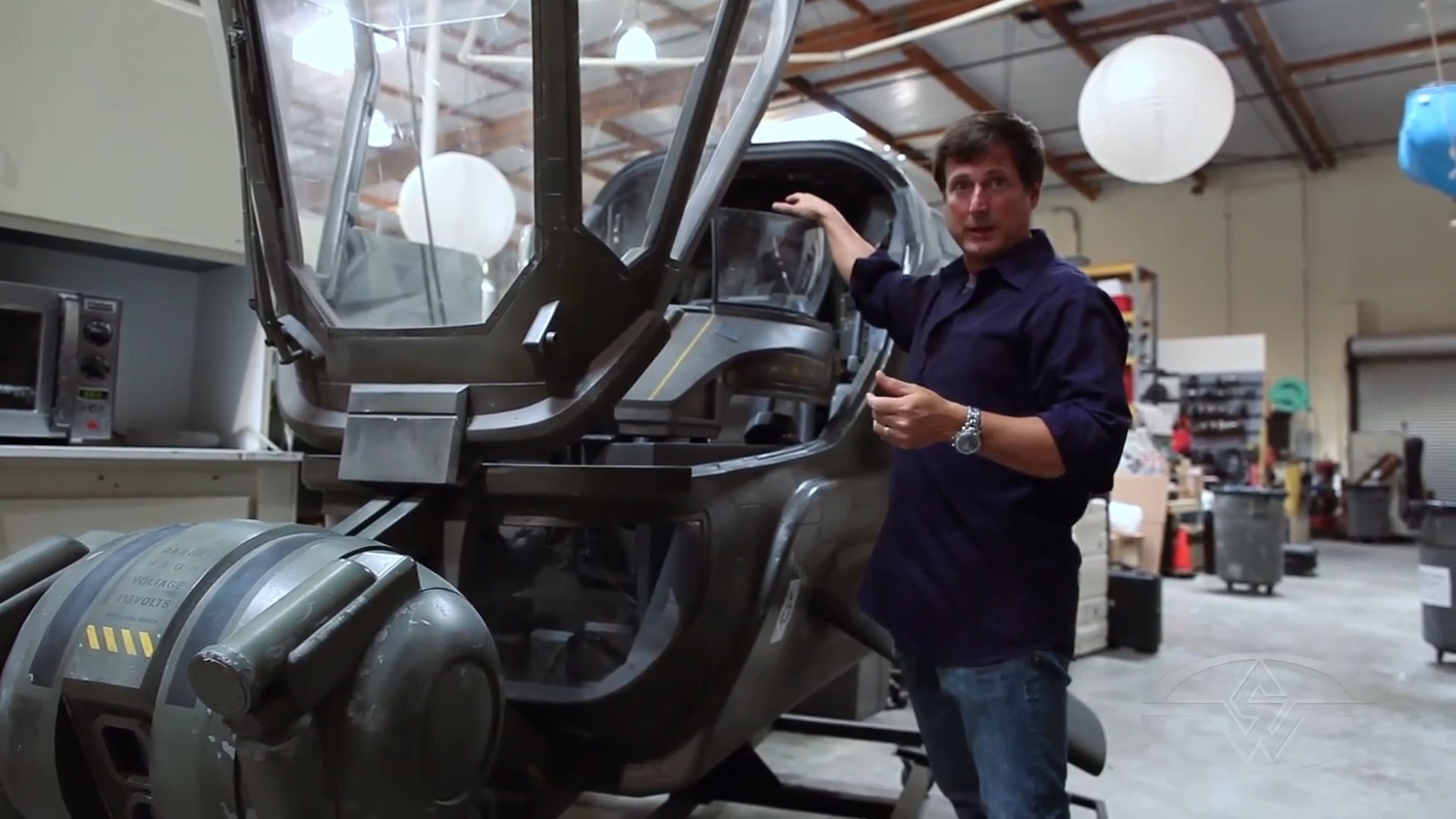 (Rosengrant explains how the Scorpion was built for specific action shots in Avatar.)
The resulting shots seem completely real. “It was, once again, taking this hybrid idea, and it’s just a no-brainer,” Rosengrant says. “This is part of the toolbox now. This is what we do.”
WATCH THE “HYBRID CHARACTERS: BLENDING PRACTICAL & DIGITAL FX” COURSE WITH JOHN ROSENGRANT:
More Behind the Scenes of Avatar (2009):
Avatar: Species of Pandora - Go Behind the Scenes at Stan Winston Studio - Part One
Avatar: Creating the Na’vi - Go Behind the Scenes at Stan Winston Studio - Part Two