
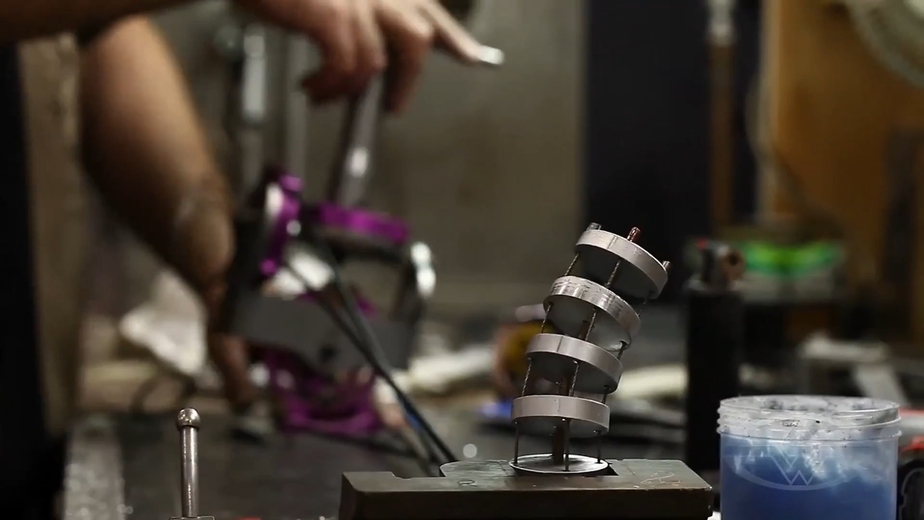
In this FREE excerpt from the Stan Winston School of Character Arts course, Cable Mechanism Basics - Tentacles, Stan Winston Studio “lifer” and master character effects mechanical designer Richard Landon (Aliens, The Terminator, Jurassic Park) reveals the innovative ways he used tentacle mechanisms to help bring various types of demons to life in the supernatural thriller, Constantine.
Jump To Section
To watch the complete video, click the player above!
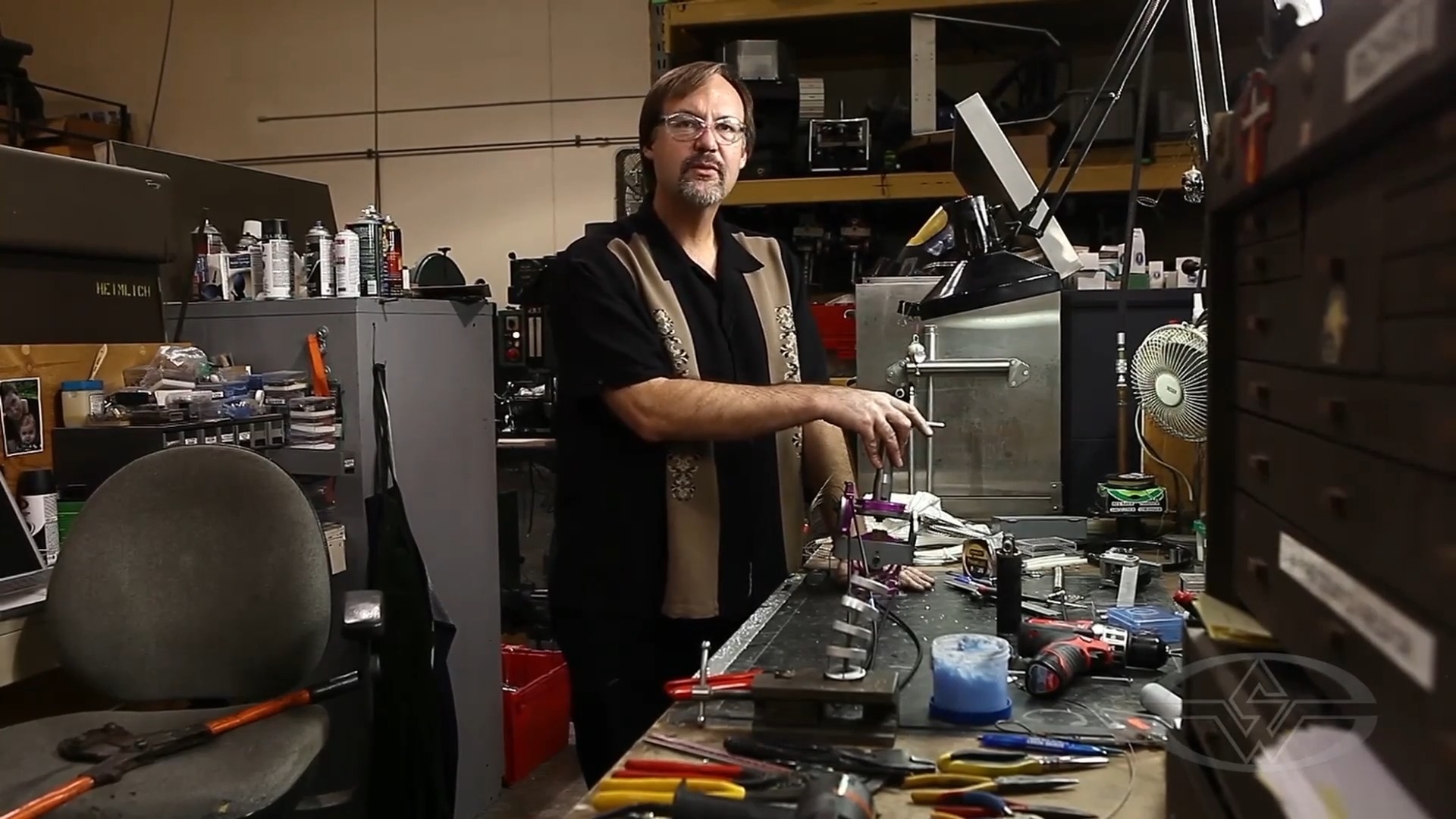
Landon discusses the cable-controlled tentacle mechanisms used to add an extra element of unsettling realism to Constantine’s diabolical demons. Knowing how to create these versatile mechanisms is a must to replicate lifelike, organic movement for your character creation projects, whether it be an elephant trunk, alien tentacle, or in this case, a half-human, half-demon cat tail!
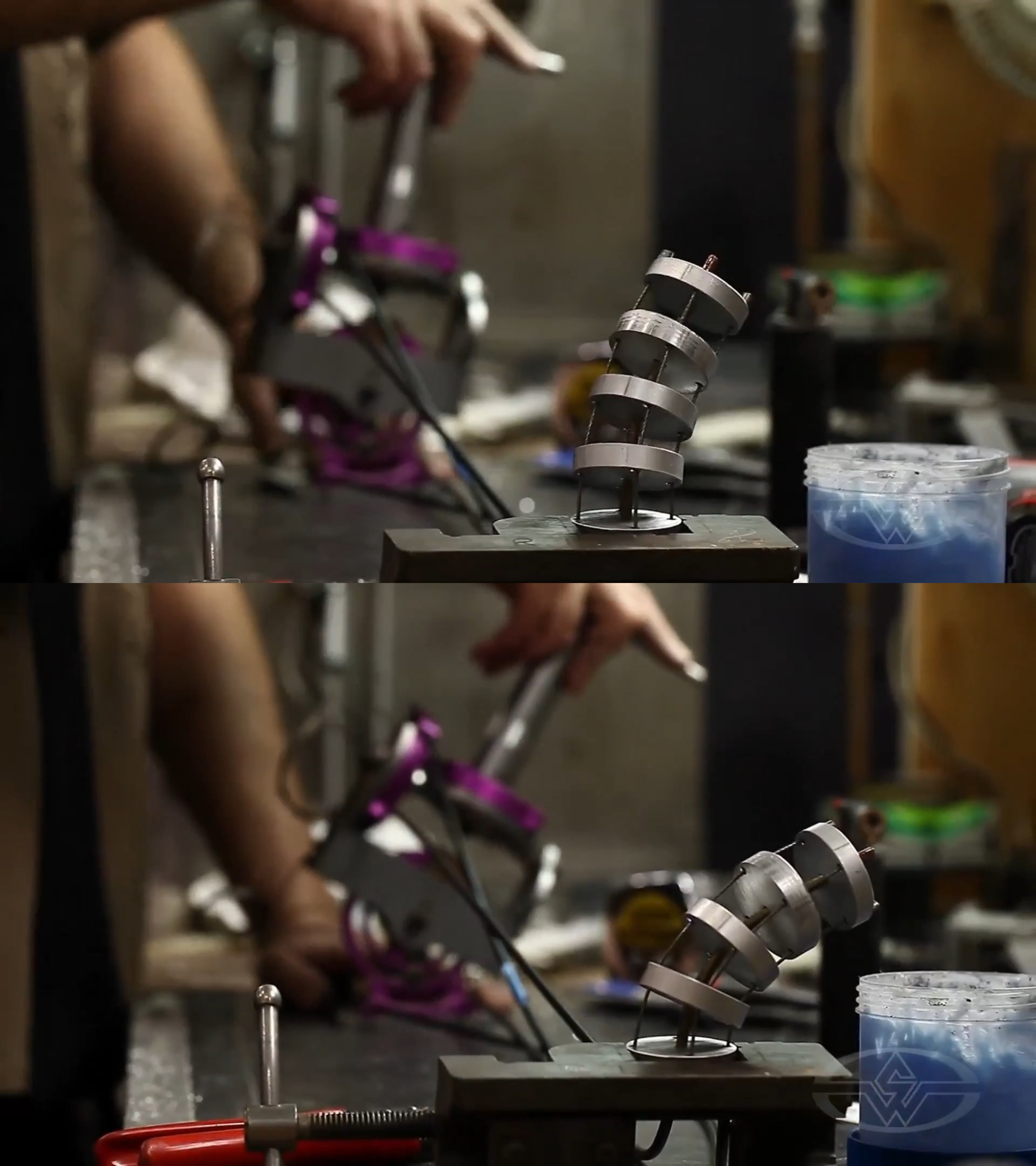 (Richard Landon controls the tentacle mechanism to make it sway back and forth.)
Tentacle Mechanisms in Constantine (2005)
In a deleted scene, supernatural detective and demon hunter John Constantine (Keanu Reeves) wakes up in a hotel room after spending the night with Ellie (Michelle Monaghan), a “half-breed” succubus who happens to have a tail. While they’re talking, the tentacle mechanism moves under the sheet. According to Landon, the mechanism “didn’t even have a skin on it.”
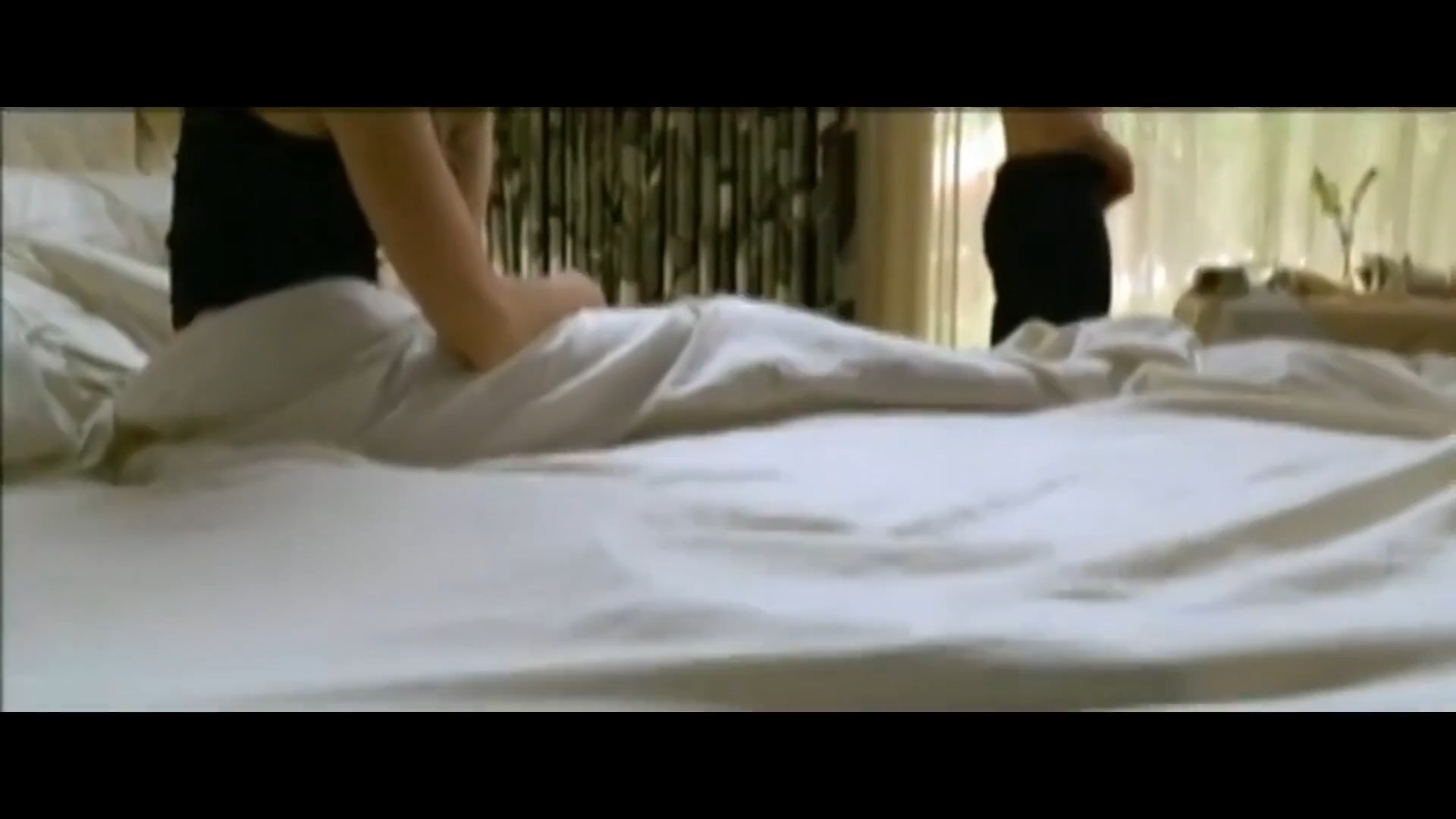 (John Constantine (Keanu Reeves) and his demonic love interest, Ellie (Michelle Monaghan) talk as her tail, represented by Richard Landon's tentacle mechanism, moves under the sheets. Image courtesy of Warner Bros. Pictures.)
During rehearsals, the slithering tentacle distracted Reeves so much that it caused him to burst into laughter. According to Richard Landon, “At one point, Keanu Reeves actually turned to me and said, ‘Man, you can’t do that while I’m rehearsing. It keeps messing me up.’”
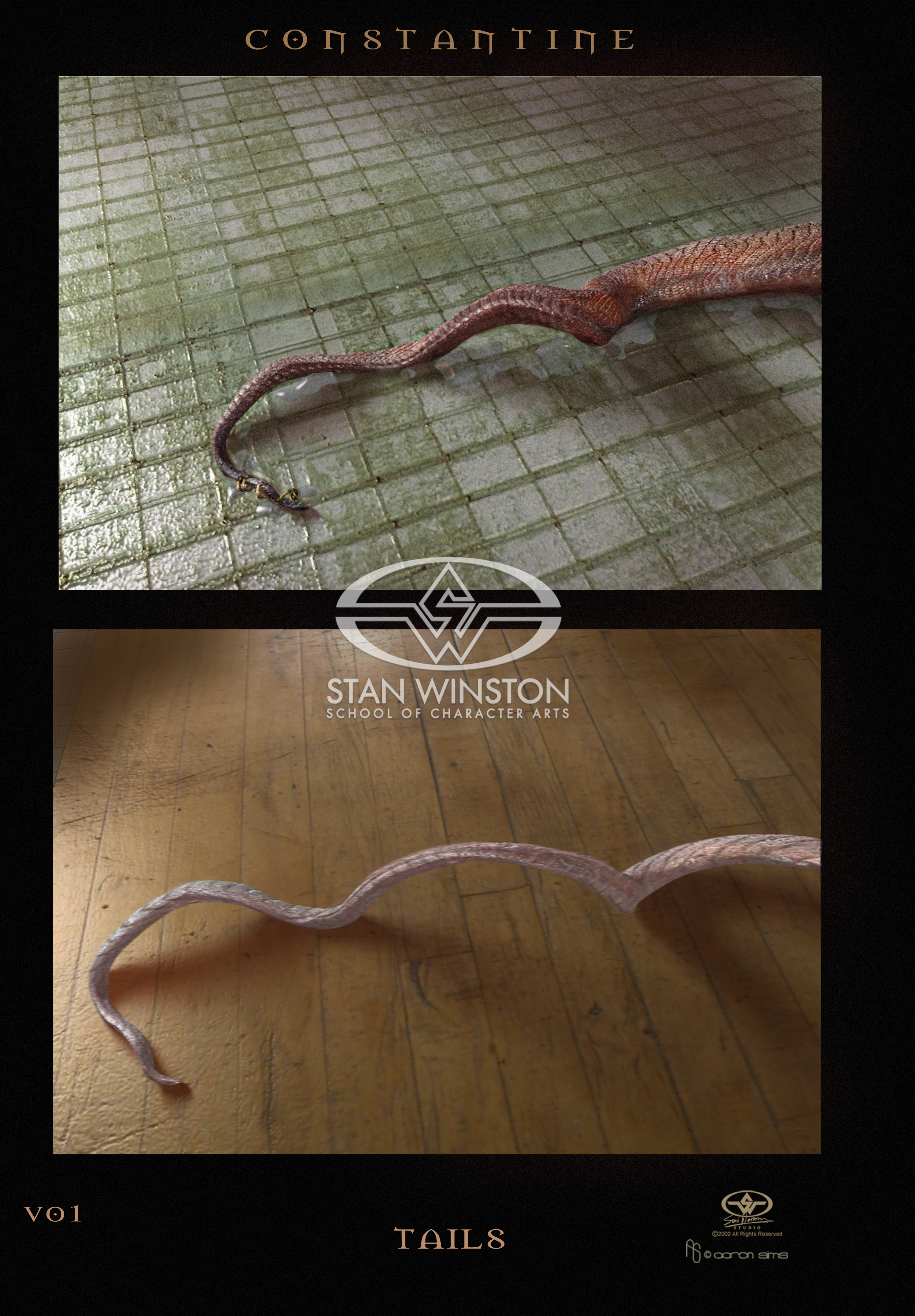 (Concept art of tails in Constantine by Aaron Sims.)
Luckily, when they did shoot the scene, Reeves was able to stay in character. His choice was not to look.
“He spent most of his time with his back to the girl for the actual scene—and he wasn’t even looking at it,” according to Landon. “He couldn’t do it. It kept cracking him up.”
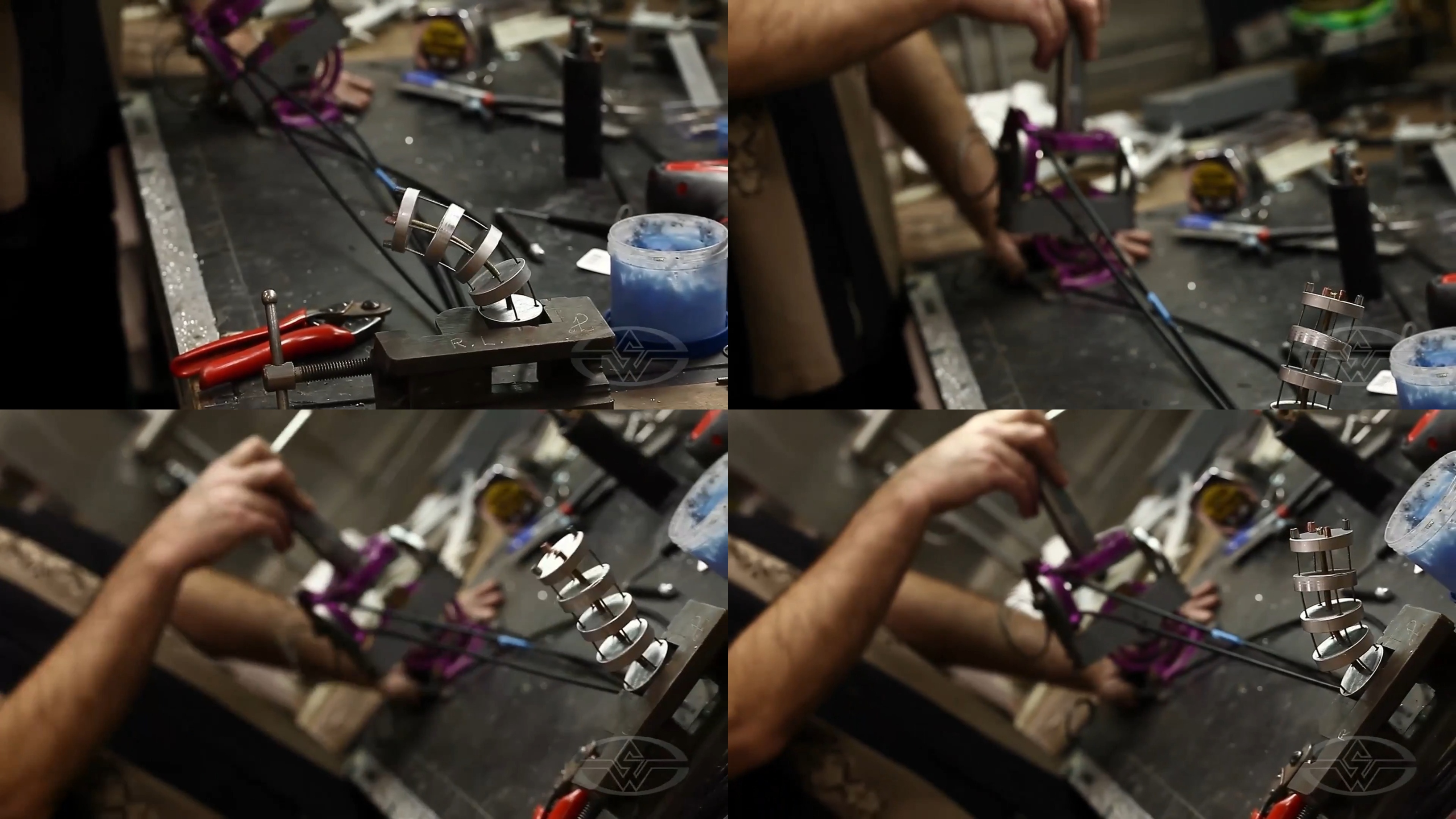 (The tentacle mechanism in action, moving in all directions.)
Challenges With Tentacle Mechanisms
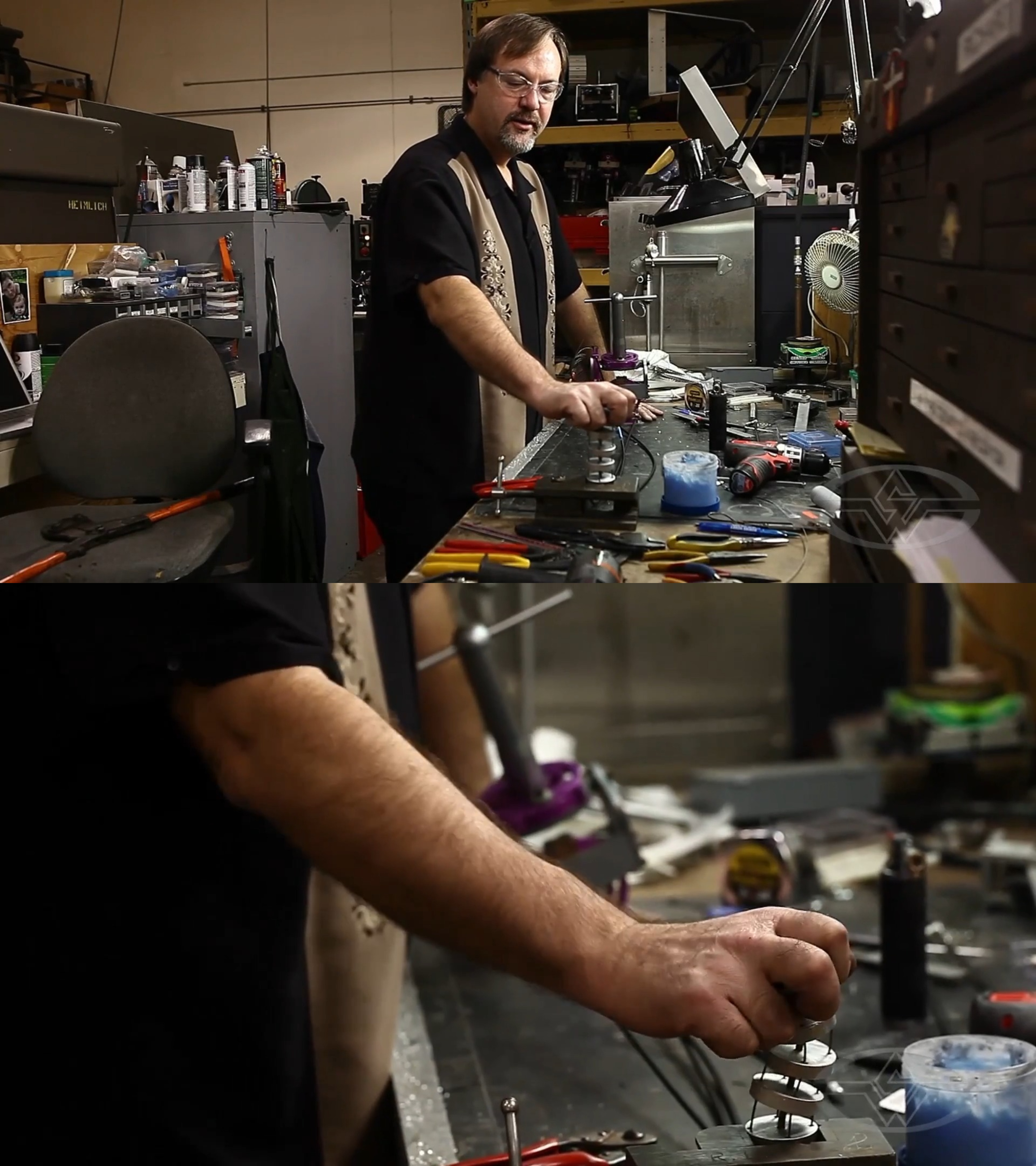 (Richard Landon applies weight to the mechanism to demonstrate how it causes the tentacles to sag.)
The tentacle mechanism could also work as a neck mechanism. However, one thing to be mindful of is that tentacles tend to sag and slightly crush into themselves if there’s too much weight on the top.
The mechanism Landon is using is the same one he used for the Hell demons that were waiting for John Constantine when he made his way to the netherworld.
 (The versatile neck mechanism used for scavenger and the seplavite demons in Constantine.)
The script originally called for “mindless” demons, or “scavengers.”
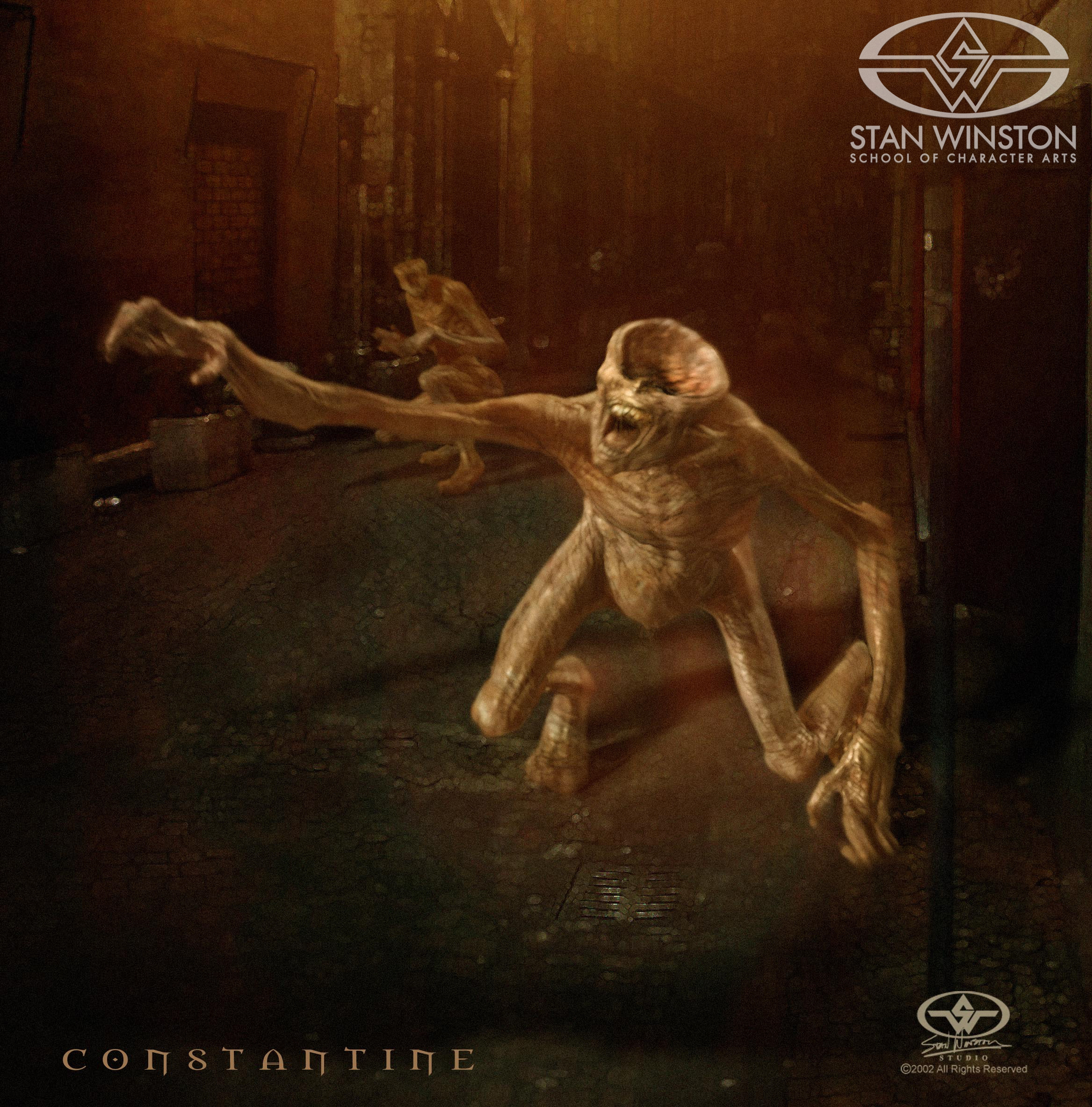 (Conceptual design of the scavenger demons by character designer Aaron Sims.)
Stan Winston Studio concept artist Aaron Sims took that to its logical conclusion, creating a look where there was no brain pan or top of the head.
 (Sculpture of a scavenger.)
The creature was envisioned as missing the top of the skull and brain--solely a nostril, nostril process, and jaw. Because this design made the top of the head was incredibly light, Landon was able to use the tentacle mechanism as the neck mechanism without concern of it sagging. The mech proved to work really well.
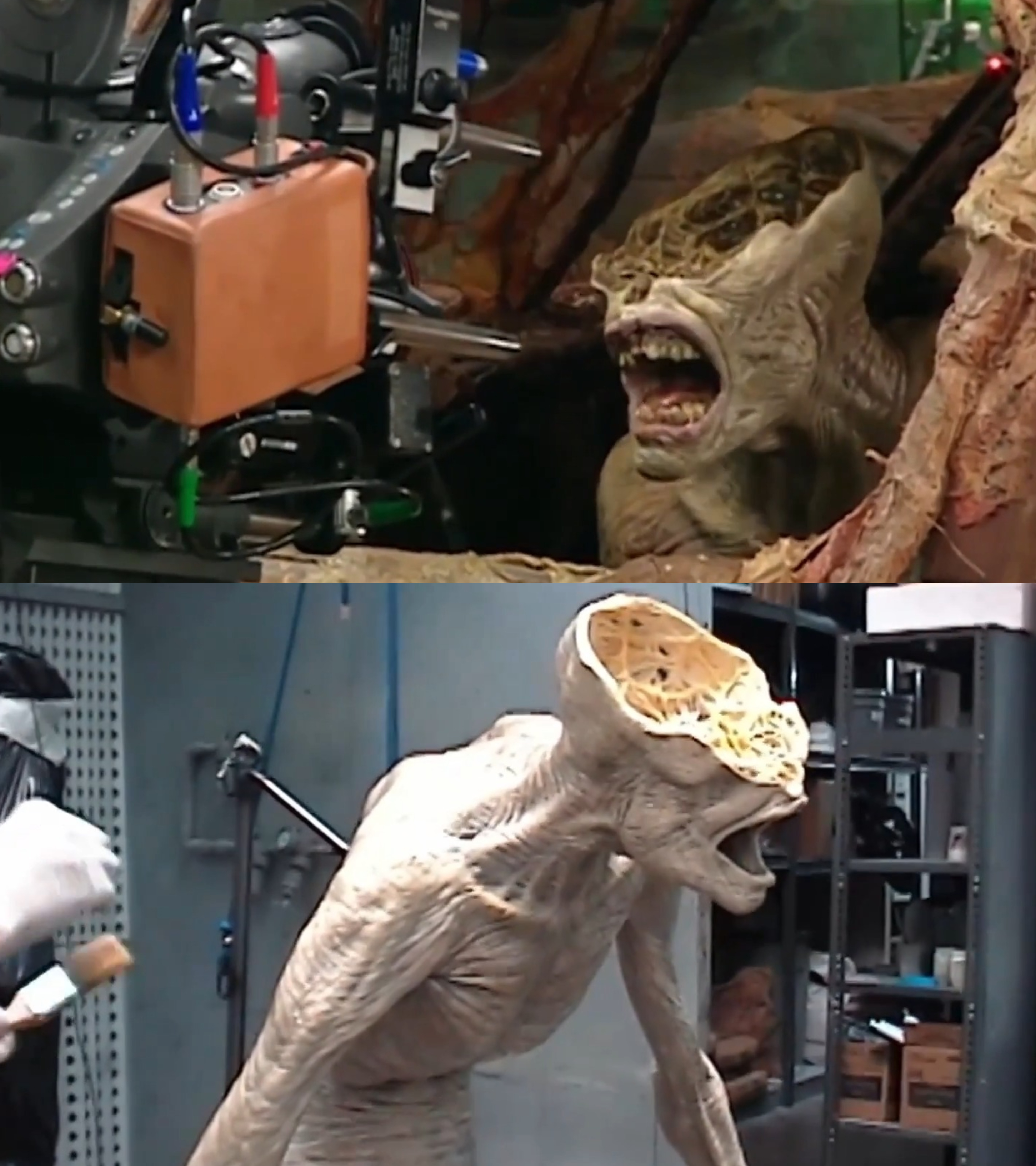 (The scavenger demon puppets are ready for action. Image courtesy of Warner Bros. Pictures.)
WATCH THE “CABLE MECHANISM BASICS - TENTACLES” COURSE WITH RICHARD LANDON: