

Famous Bladder FX on the Big Screen
A now familiar effect in horror films is the moment where, for whatever reason, some character's skin begins to writhe, bubble, throb and burst. In those scenes, you can bet there was probably some sort of bladder effect involved. But how are these effects created, and who came up with the idea?
In this FREE excerpt from their Stan Winston School of Character Arts course, Transformation Makeup - Bladder FX Part 1: Design, Create & Test, master effects artists Gary J. Tunnicliffe (Hellraiser series, Sleepy Hollow, Blade) and Mike Jay Regan (Nutty Professor II: The Klumps, Men In Black, Hellraiser series) break down the history and use of bladder effects in film!
To watch the complete video, click the player above!
Jump To Section
- The Birth of Bladder Effects
- Bladder Effects Dominate ‘80s Horror Movies
- Bladder Effects Bubble Into ‘90s Films
- Giving Thanks to Dick Smith
Using bladders as part of a makeup lets you deliver liquids, or even just air into an empty space created beneath the surface of a simulated top skin. The result, done correctly, is skin that appears to quite literally have a life of its own. Using a bladder effect under your skin prosthetics can take “lifelike” to a whole new level, and best of all, it all happens in-camera.
 (A simple bladder FX mechanism w/rubber bag, tube and air pump.)
Over the years, some of Hollywood's most memorable moments in film have been the result of bladder effects. They’re the magic behind pulsating veins and shifting skin in the days before digital makeups were possible. The ghastly transformation scenes of An American Werewolf in London, were driven by bladder effects. And perhaps, it's not an exaggeration to say that such effects inspired our culture's undeniable cacospectamania, or obsession with looking at something repulsive.
As you prepare to hear the secrets of designing, building, and testing latex bladders for two RBFX prosthetic makeups, our teachers, Tunnicliffe and Regan, felt it was important to share an overview of the history and usage of bladders in film.
 (Gary J. Tunnicliffe and Mike Jay Regan are going to talk about bladders.)
In order to enhance your skills as a makeup artist, it's good to know who's done it best. By learning how masters of makeup effects handled the problem of making skin crawl, you will add yet another tool to your prosthetic character kit?
Read on for more on the art behind air bladder effects!
The Birth of Bladder Effects
Bladder FX all started with legendary makeup artist Dick Smith, often known as 'The Godfather of Makeup.' Smith was a self-taught makeup artist who pioneered many advancements in prosthetics — all from the comfort of his basement. Tunnicliffe says that Dick is “regarded by every makeup effects artist on the planet.”
Smith is probably best known for his work on Little Big Man, The Godfather, and The Exorcist and has multiple awards including a 1985 Academy Award for Best Makeup on Amadeus, as well as a 2012 Academy Honorary Award for his lifetime of achievement.
The earliest bladder makeup effect Tunnicliffe knows of was Smith’s work on The Exorcist in 1973. In the film, the bladder was used to allow Regan MacNeil’s throat to expand and bulge out as she fights the devil within.
 (A bladder effect as seen in Dick Smith’s The Exorcist.)
“I think Dick came up with the idea, kind of like, ‘Well, how are we going to do this?’ The best way is to inflate air,” Tunnicliffe says. Smith’s process consisted of making a large, rubber bag that was then inflated with air off-camera.
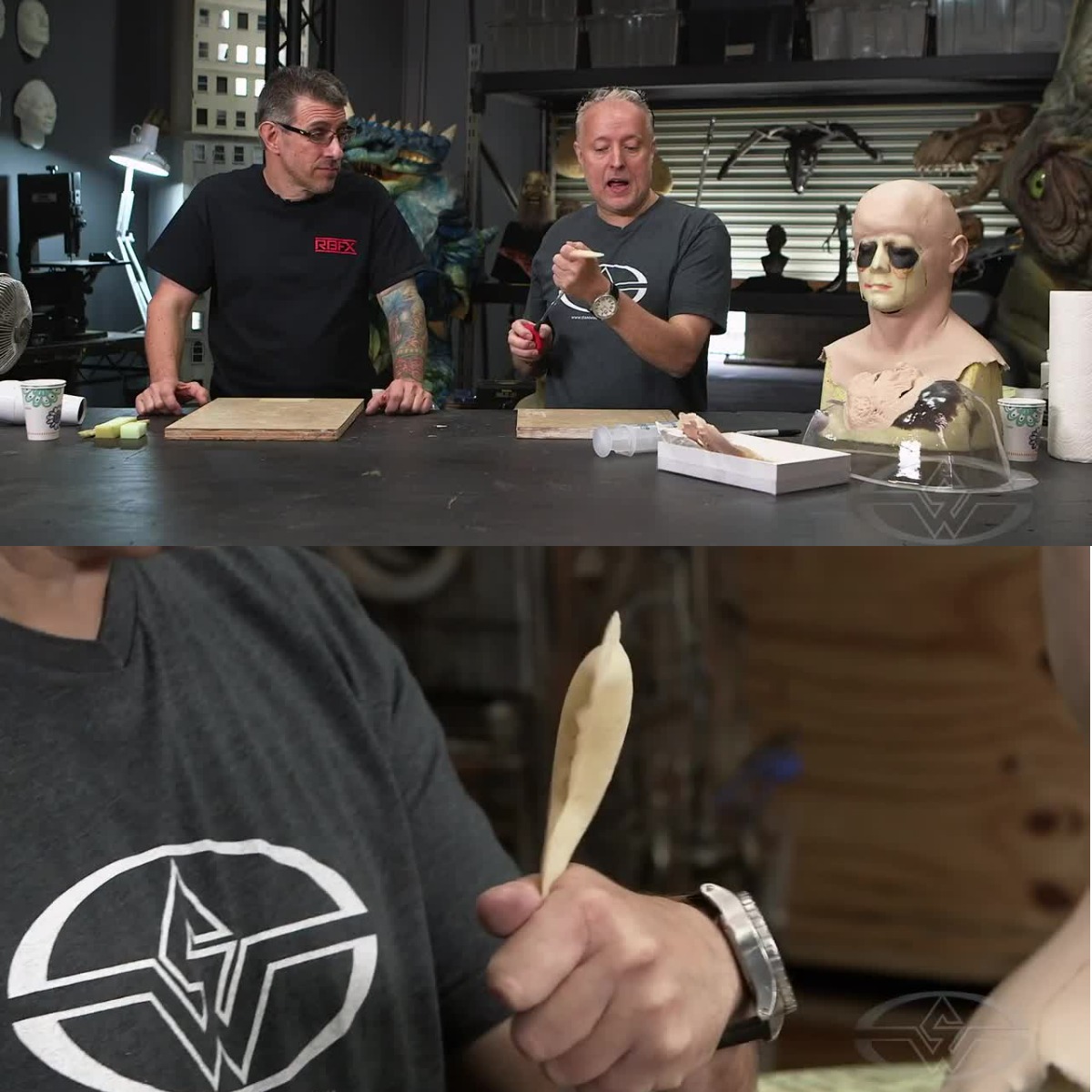 (Gary J. Tunnicliffe and Mike Jay Regan demonstrate some simple bladder apparatus.)
Dick Smith next used bladders in a more complex way for The Fury, where he used channeled bladders, tubes essentially, under the makeup to create the look of throbbing veins.
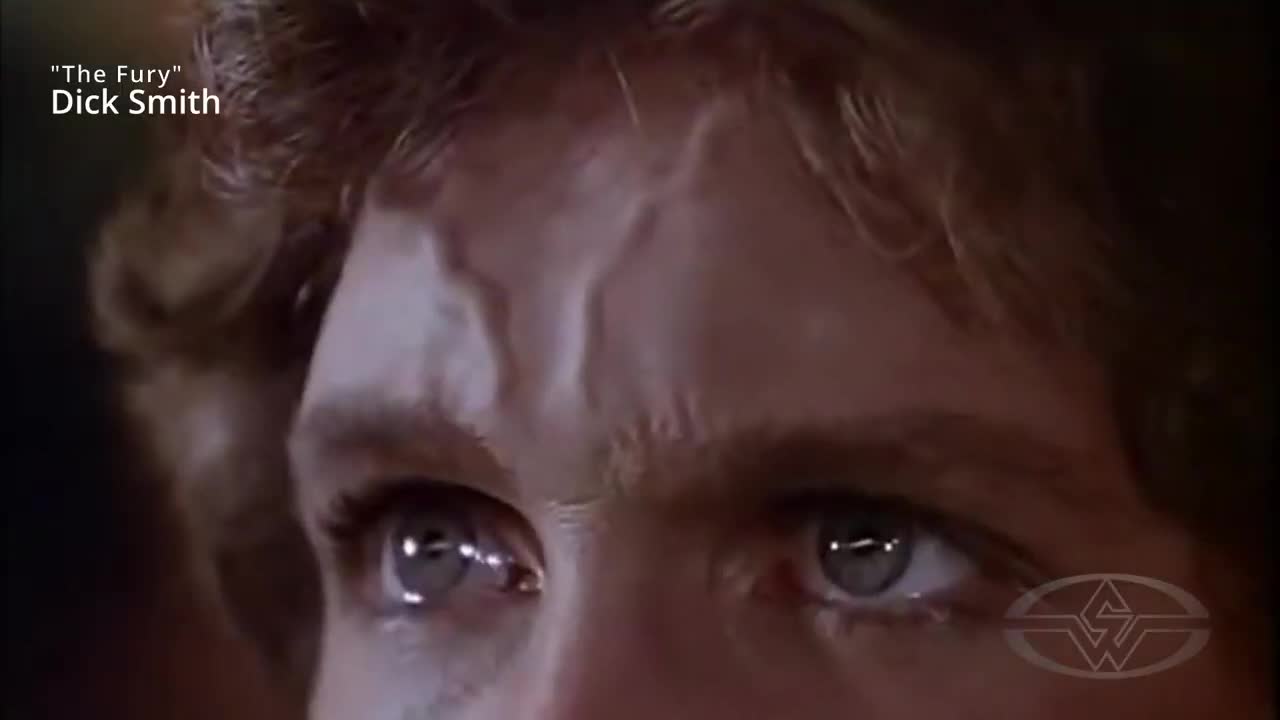 (A bladder effect as seen in Dick Smith’s The Fury.)
“The difference there [in The Fury] was rather than using an actual bladder piece, I think what Dick was doing was taking prosthetic appliances and then putting channels into them,” Tunnicliffe says. “When you inflated the area, it would actually make the prosthetics stretch."
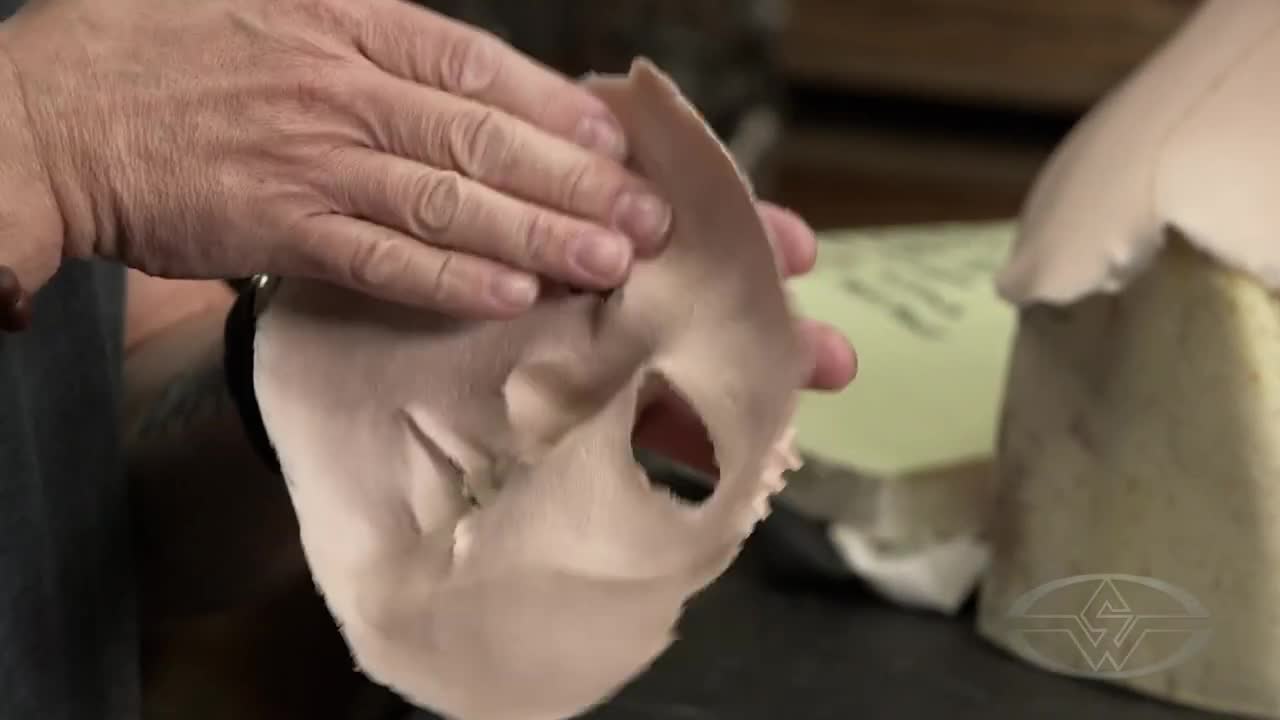 (Putting channels into the underside of an appliance advanced the sophistication of bladder use for makeup FX.)
This made the effect appear “more veiny,” Regan adds. “With The Exorcist, it was a big bag. There, [in The Fury] it was more refined and small.”
Bladder Effects Dominate ‘80s Horror Movies
Smith pushed this channel technique forward from The Fury into his next project, Scanners, where he also picked up an adept assistant in young Rick Baker. Together they developed the idea of an appliance with channels in it for veins that you could then pump liquid through, making the veins appear to stretch and grow up the arm.
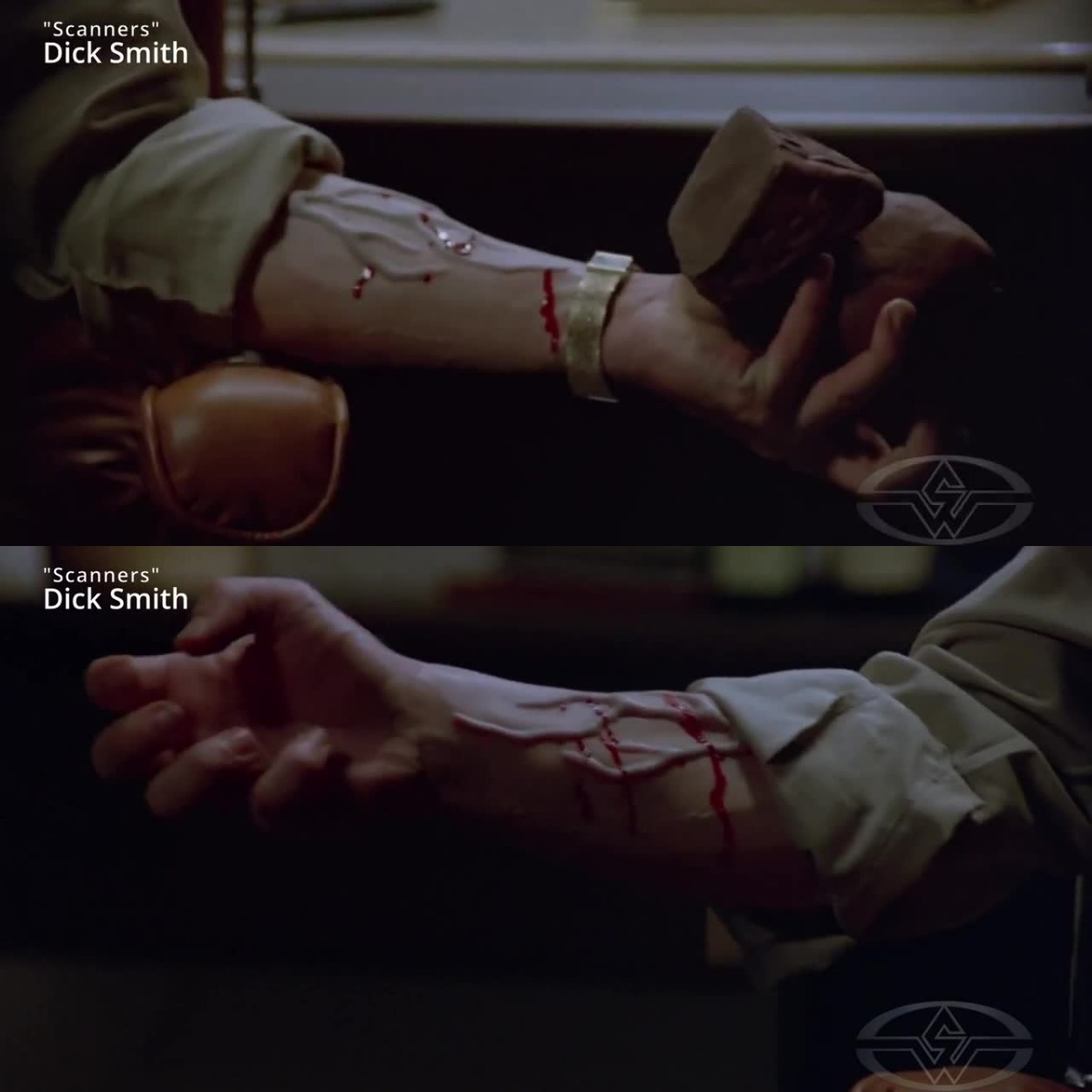 (Dick Smith’s bladder effect as seen in Scanners.)
“Once that occurred, I think Baker had seen the efficaciousness of it and how good [the bladder technique] was,” Tunnicliffe says. “Obviously, it was then spreading like a virus through the industry.”
Another film that showcases bladder effects is Joe Dante’s The Howling with special effects by Rob Bottin, a Baker’s protégé. While horror films to that point might have one or two bladder effects--keeping in mind these effects do require prep time and complicated resets--The Howling has a plethora of them! Bottin would then go on to implement bladder effects on John Carpenter’s The Thing the following year.
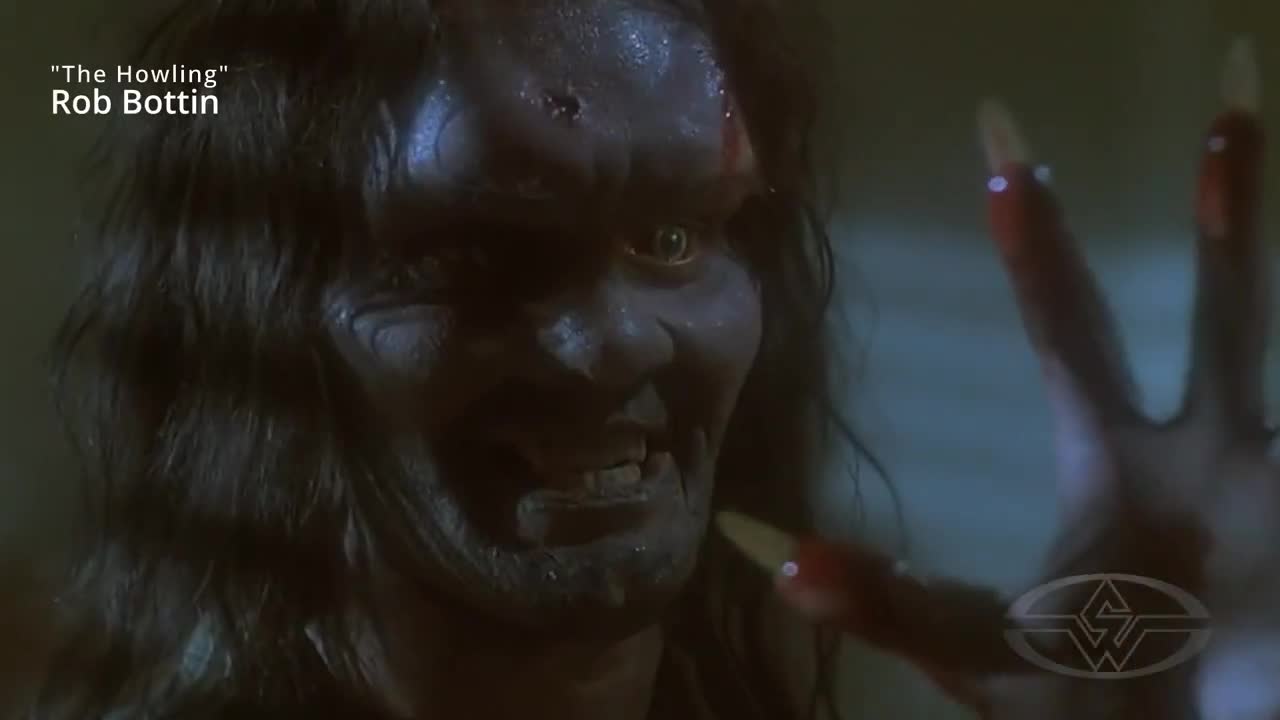 (Rob Bottin’s bladder effect as seen in The Howling.)
“Then we were off and running and to the races, let's face it,” Tunnicliffe says. “[In the] 1980s, every producer was literally going, ‘We want those. We want that bladder stuff; that's what we need in our movie! How much is it? I don't care. Let's just do it, kid.’"
Tunnicliffe and Regan explain just how “bladder crazy” effects were at the time, with many SFX artists clearly busy behind the scenes since it seemed as though every film had a bladder effect transformation somewhere.
The two recall what might possibly have been a surplus of bladders used by Tom Burman for The Beast Within.
 (Tom Burman’s bladder effect as seen in The Beast Within.)
“I think like every fad and fashion, it went a bit crazy for a while and then pulled back,” Tunnicliffe says.
As mentioned above, the horror-comedy An American Werewolf in London featured bladder effects in its iconic werewolf transformation scene.
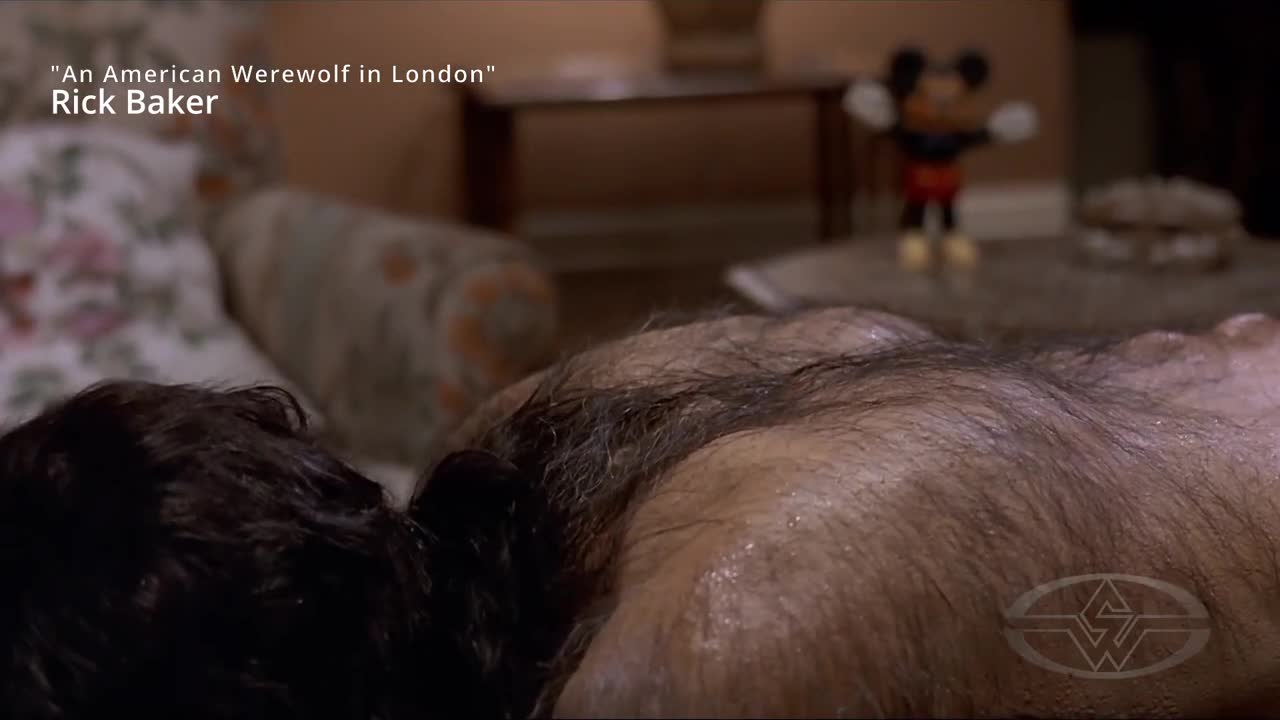 (Rick Baker’s bladder effect as seen in An American Werewolf in London.)
Bladder Effects Bubble Into ‘90s Films
Tunnicliffe goes on to recall the outstanding cinema moments highlighted by bladder effects into the ‘90s. He singles out Sam Raimi’s Darkman as a well-regarded example where Tony Gardner used fast, poppy bladder work to give the illusion of melting flesh.
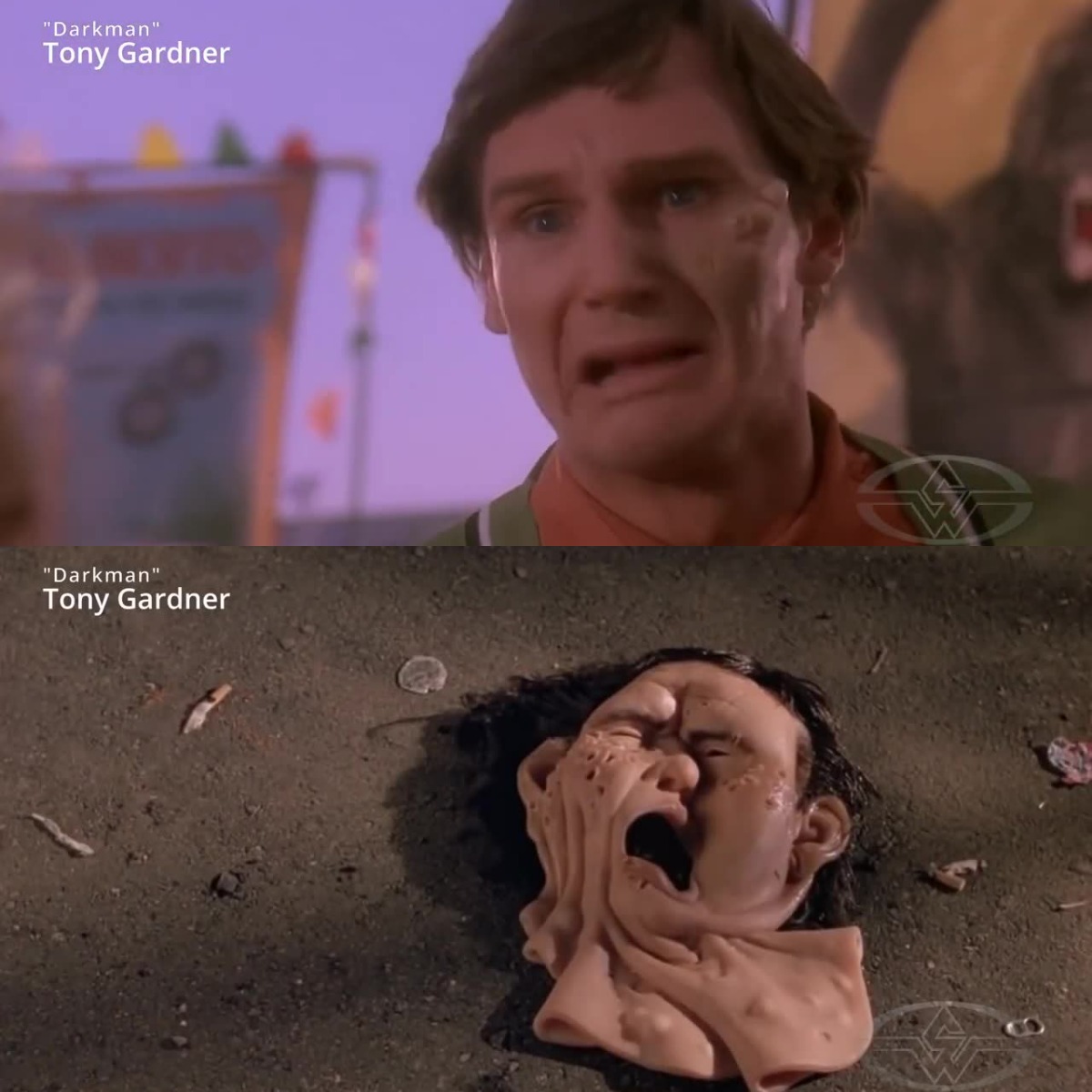 (Tony Gardner’s bladder effect as seen in Darkman.)
“Tony Gardner pushed it to another level in Darkman, where he used two laser bladders, liquid, and air,” he says. “In fact, there's still some mystery about how he did those effects.”
Tunnicliffe then shares his own experience working on bladder effects for fantasy-horror film, Wishmaster. In the late ‘90s, just as silicone was starting to become prevalent in the industry.
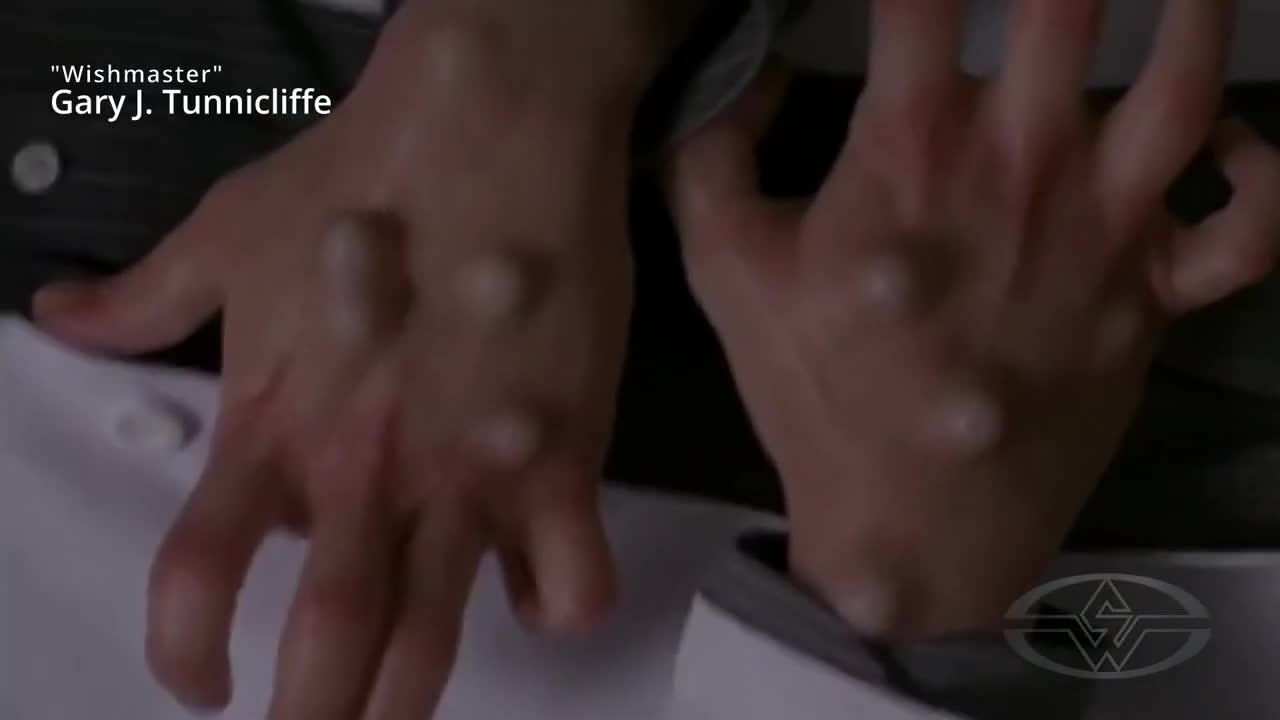 (Gary J. Tunnicliffe’s bladder effect as seen in Wishmaster.)
“What we did there was, rather than doing a bladder effect trying to move silicone skin, we actually used rods behind a puppet to push the skin out,” Tunnicliffe says. “We found that silicone would actually change its color when you put pressure on it.”
"If something was painted and you pushed it with a rod, it would turn white," Tunnicliffe explains. He and his team created rods behind the skin, pushing the rods into silicone cavities in the prosthetic, essentially bladders, gave the same old effect and new approach.
Giving Thanks to Dick Smith
There's no question that Dick Smith was an innovative makeup artist who changed the makeup effects industry forever.
Tunnicliffe reflects on Smith’s contribution to the industry and relates how the film Altered States is said to have been where Smith refined his bladder FX techniques to their greatest expression. The results further prove that Smith was both an innovator and truly a master of his craft.
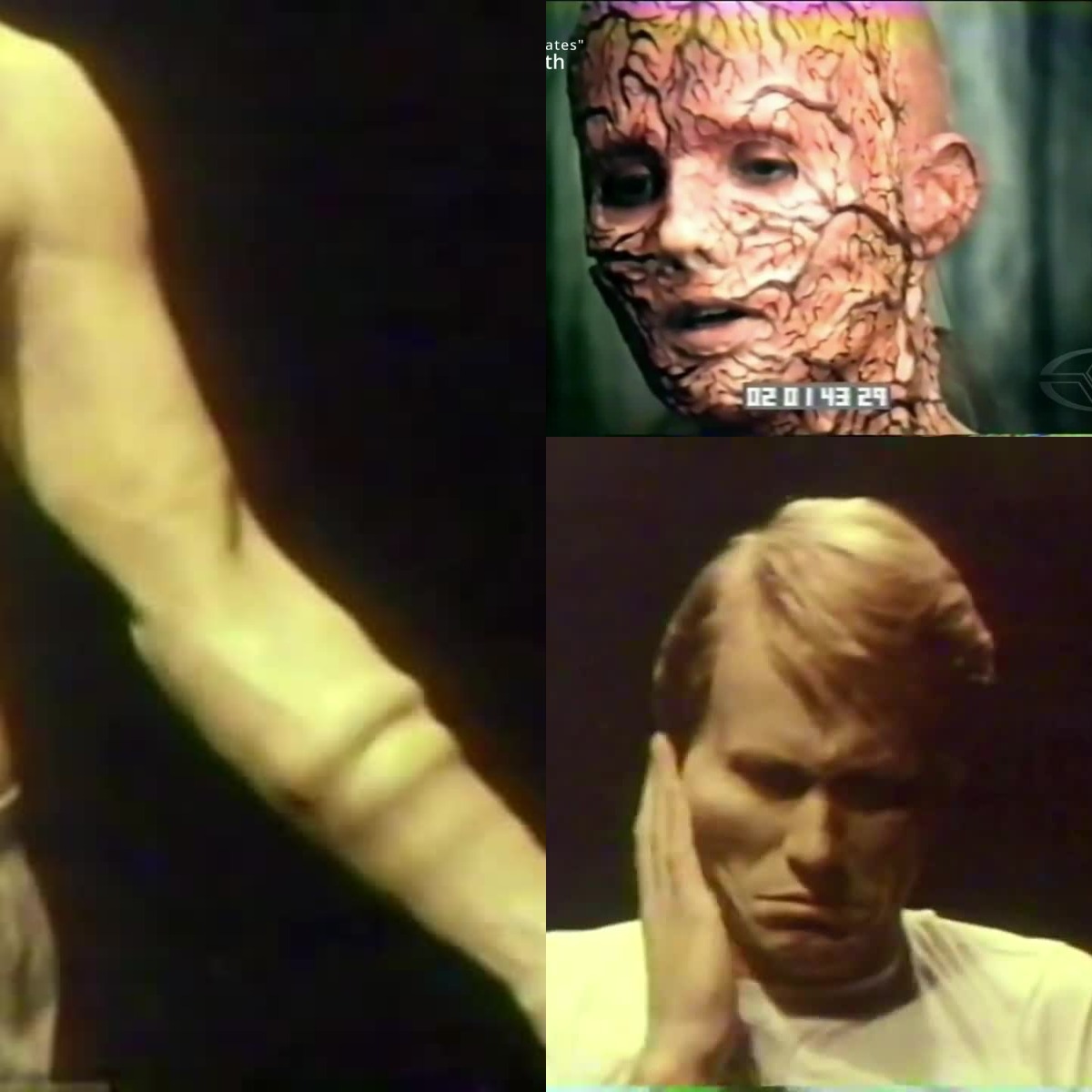 (Test footage from the making of Altered States.)
Tunnicliffe says, “If you go back and look at some of the [Altered States] tests, which are available, I think you can see online now — there’s some stupendous stuff where he's doing rippling up and down the arm … I think he actually rigged up the bladders to a piano kind of keyboard system, so you can actually play the bladders.”
“Tip of the hat to Dick, who was making this stuff in his basement in Larchmont, New York and creating these great techniques,” Tunnicliffe says.
Now that you've learned about the various ways bladder effects were used in these beloved horror and sci-fi films of the past, you can find inspiration and implement techniques like these into your own work!
WATCH TUNNICLIFFE & REGAN’S “TRANSFORMATION MAKEUP - BLADDER FX” COURSE:
Transformation Makeup - Bladder FX Part 1: Design, Create & Test
Transformation Makeup - Bladder FX Part 2: Apply, Paint & Shoot