
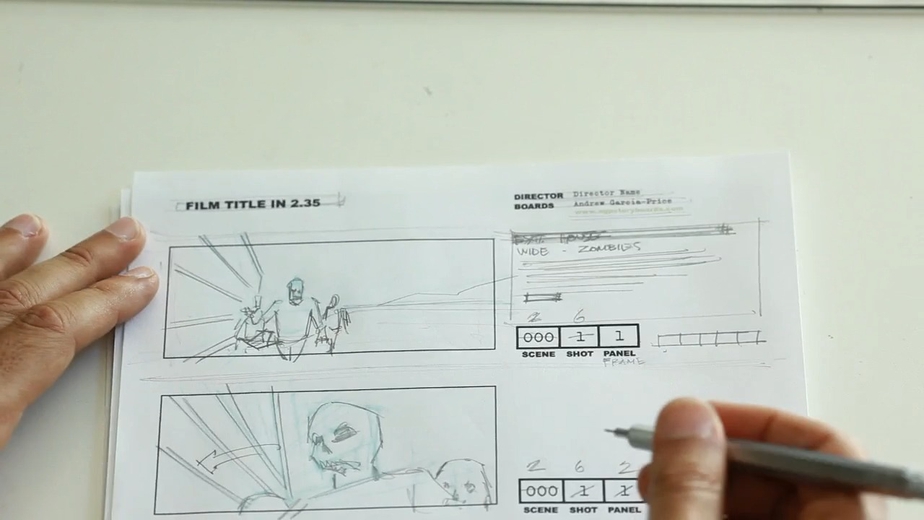
In this FREE excerpt from the Stan Winston School of Character Arts course, Storyboard a Monster Movie - Part 1 - Traditional Techniques, master Hollywood storyboard artist and monster illustrator Andrés “Drew” García-Price (Deadpool 2, Suicide Squad, Donnie Darko) draws from his decades of experience to share the basics of storyboarding and why it’s essential for projects and productions of all kinds — in this case, a monster movie.
Jump To Section
- What Are Storyboards?
- Storyboarding to Visualize Ideas for Filmmaking
- Storyboarding to Plan Your Shoot
- Storyboards to Communicate Information
To watch the complete instructional video, click the player above!
Storyboards put ideas onto paper and serve an important purpose in filmmaking. Storyboards are essentially notes, a way of communicating. Whether simple line-drawings or as detailed as comic strips, they tell a bigger picture of what’s going on, what kind of action is taking place, whether there’s dialogue, the timing before cutting to the next scene, etc.
In this lesson, García-Price covers storyboarding 101, including what storyboards are, how they’re used, and why they’re important.
What Are Storyboards?
If you’re working on films that involve creatures, effects, and action sequences with minimal dialogue, storyboards are essential.
Storyboards are visual aids, static pictures in a sequence, that represent moment-by-moment depictions of what is going to be filmed.
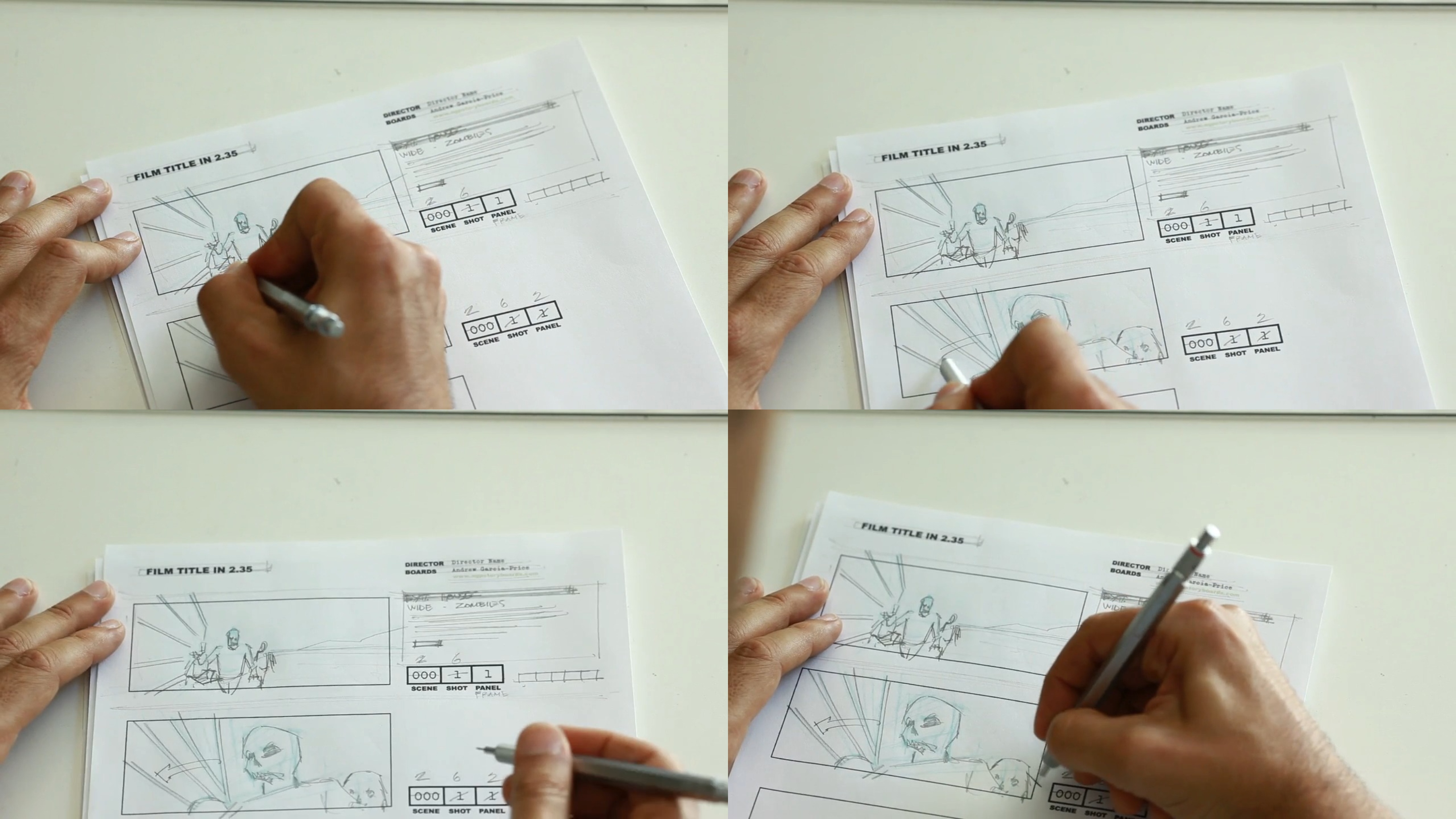 (Drew García-Price uses a 0.5 mm mechanical pencil to plan out each scene for his zombie movie.)
Storyboarding can be accomplished many ways:
- - Pencil drawings (standard; quick creation; cost-effective)
- - Digital models (also common; realistic visualizing; easy to edit)
- - Fully rendered paintings (rare; establishes mood; time-extensive; more commonly used for concept-art and pitch-decks.)
Most commonly, storyboard artists use sketch drawings much like comic book art. These drawings are often the first opportunity for a filmmaker to imagine how a written scene will be represented visually, García-Price uses them to break down sequences and for the filmmakers to be able to calculate how to get depict specifc action over time.
Storyboarding to Visualize Ideas for Filmmaking
Storyboarding is critical for planning ahead before the cameras even start rolling. “When you get on set, you have limited time, and you ostensibly will have an entire crew that are there to do the job,” García-Price says.
 (Drew García-Price discusses the “why” of storyboards: to make your ideas concrete and to let the filmmaking crew know what's necessary for the project.)
The art of storyboarding makes the most of everyone’s time, allows efficient allocation of resources — whether it’s the man/hours or the day’s available sunlight — and ultimately saves the producers money. It brings the ideas that live in your imagination out into a tangible means. Plus, it gives you the chance to play with these ideas, elevate your initial instincts, and come up with even more exciting details in subsequent drafts.
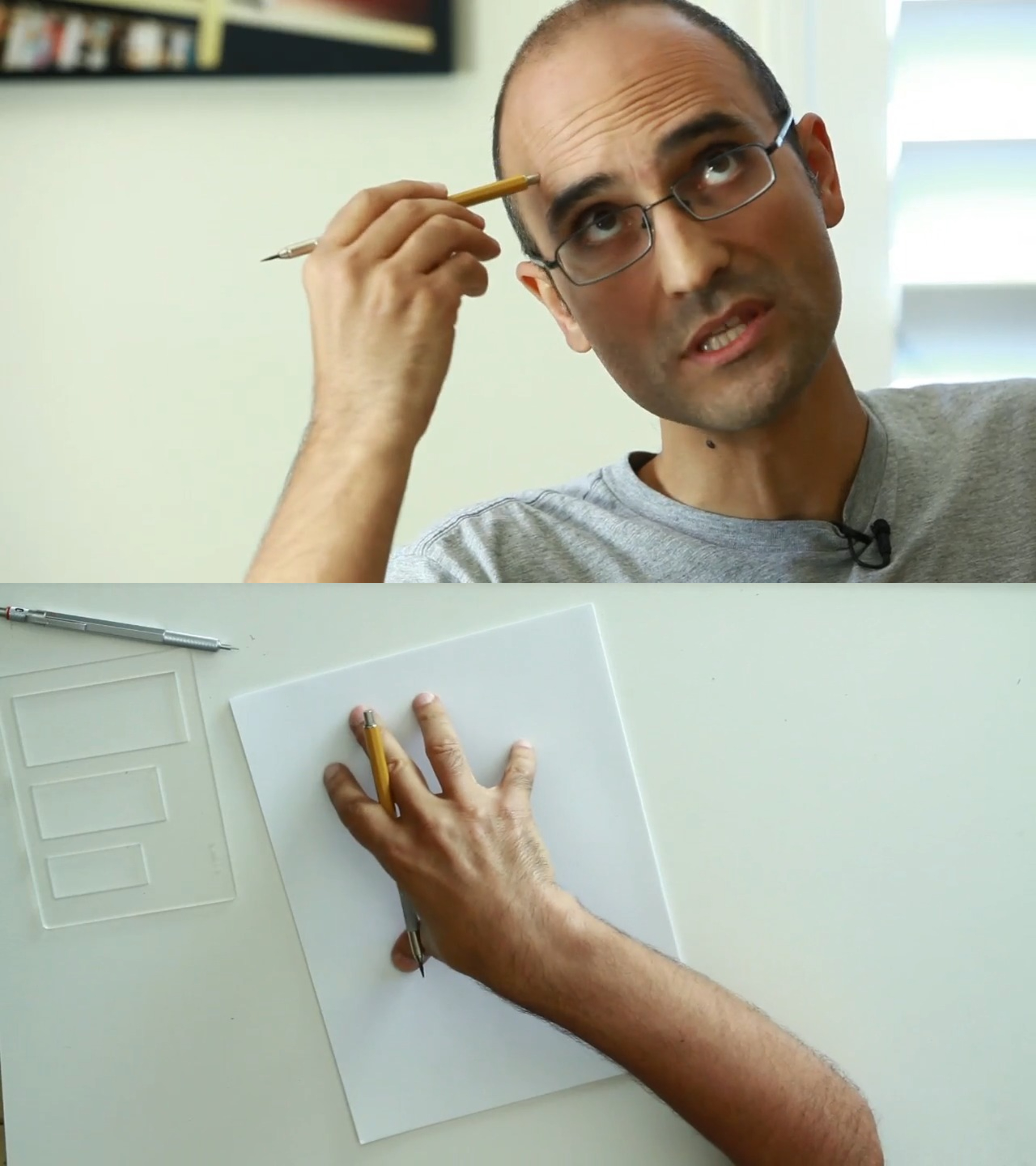 (Drew García-Price explains how drawing what's in your mind helps to visualize your ideas more easily and make informed decisions about how the next shots should look.)
Laying images in sequence helps you get a better understanding of must-knows for your monster movie, including:
- - Camera placement. Does the composition of the frame show what's most important?
- - Action. Does the sequence of images tell the story properly?
- - Actors, props, sets. Are the elements of the scene arranged in a way that can be filmed efficiently?
- - Preliminary editing. Do the cuts between images, shots, and scenes make sense visually?
Storyboarding is a crucial, cost-effective blueprint for animators and directors alike that allows for experimentation before production.
Storyboarding to Plan Your Shoot
Storyboards create a visual reference for what happens in each shot and how images will look to the audience. Not only are these critical for storytelling, but they also give everyone on the crew a clear idea of what to expect and what the director’s intentions are.
Garcia-Price explains it in terms of "blocking," meaning where you put the elements of your scene, the actors, the sets, and the camera. “If you take a page of a script, it's got a scene written out, but that scene could be dramatized in a million different ways,” García-Price says. “And depending on what you're doing to dramatize that — to block it, to block the action and the people, but to block the camera as well — all of that's going to have a major impact on what you need to prepare and what you need to have ready on the day.”
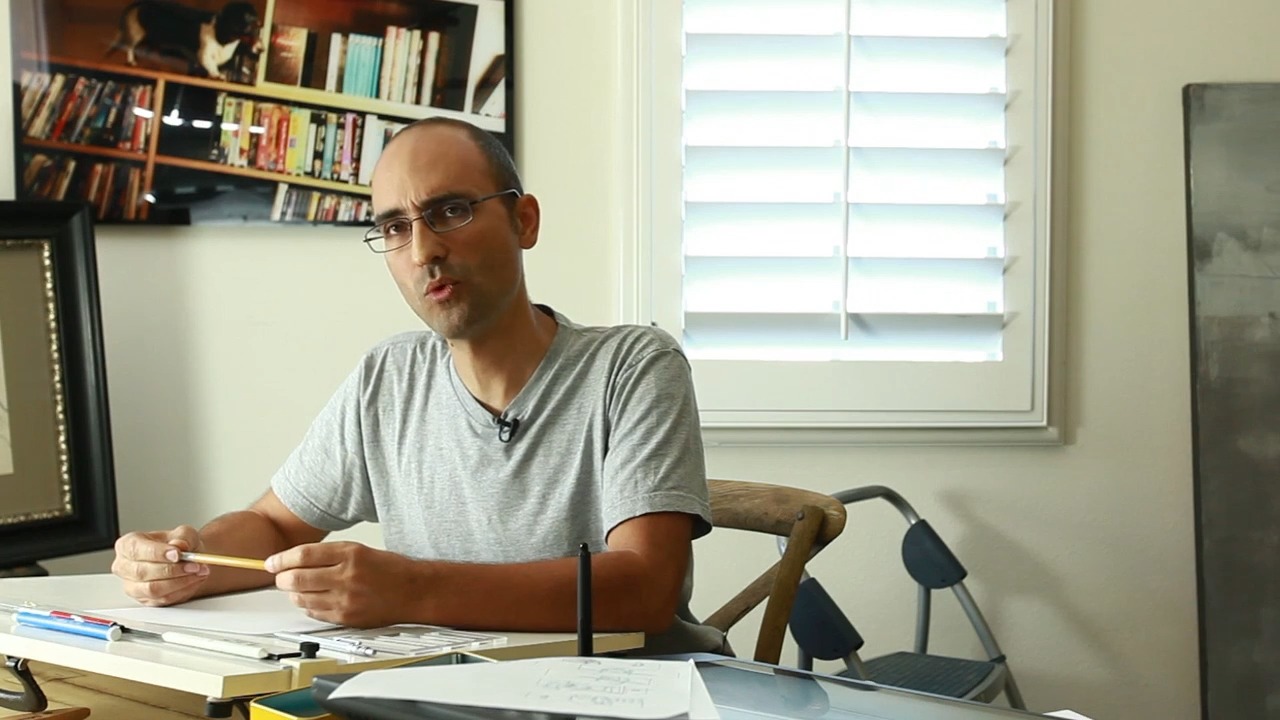 (Drew García-Price breaks down how storyboards act as a road map for the crew and allow everyone to prioritize what's crucial for the script.)
While a director may or may not shoot the storyboards as they’re sketched, they help everyone plan a shot in advance, and that helps the producers to be able to estimate how much it’s going to cost to film.
For example, if you’re putting together sets, storyboards can give you an idea of which parts of the room you need to see and which you shouldn’t be too concerned about. Similarly, the prop department can determine which props are essential to the script and which may not be seen.
Ultimately, storyboarding helps everyone focus on and prepare for what’s going to be necessary and saves time, money, and resources.
“If you’re getting together a whole creature, you may realize, ‘I don’t have to have the whole armature. I don’t have to have the whole thing that’s happening. Our shots really are just going to be behind this hand, or at this angle, looking up,’ and really allow you to spend your time on the stuff that’s going to be on camera…” García-Price says.
Storyboards to Communicate Information
Storyboards use drawing as a visual script to take notes and communicate information. Regardless of your drawing proficiency level, what’s most important is that your storyboards convey vital information, such as:
- - Where the camera is positioned (i.e., whether it’s low or high, or to one side or the other side of the action)
- - What the audience is seeing on screen
- - What is happening in the story
Your job as a storyboard artist is to be able to describe through images, these details significant to the overall project, and you do this by developing a strong sense of perspective.
“Perspective informs any drawing anybody’s doing that is trying to get at the real world,” García-Price says. This will help you establish where your horizon is, as well as where various lines are intersecting and how all the shapes are positioned to create a point-of-view for the audience.
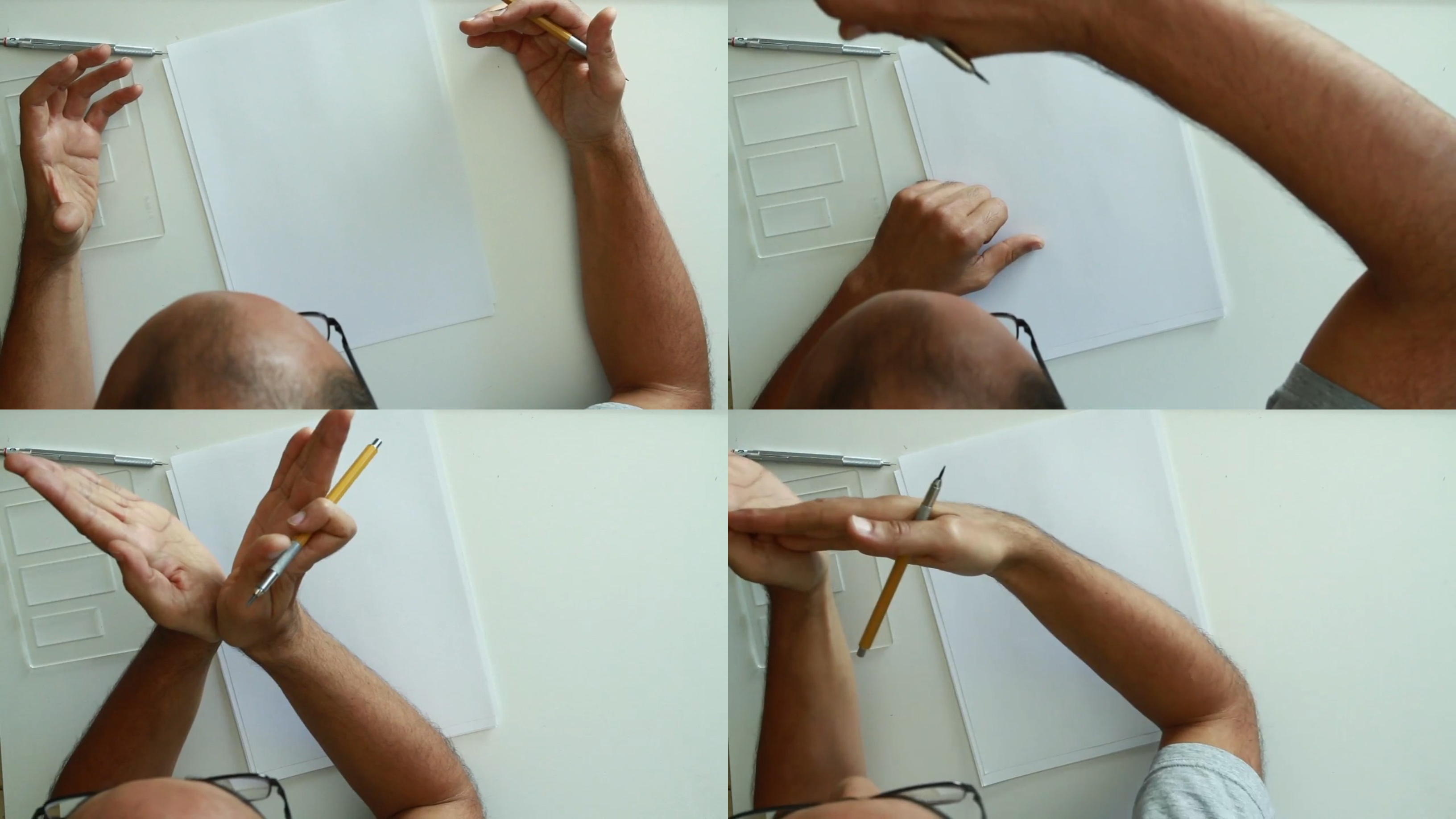 (Drew García-Price demonstrates how every drawing is informed by perspective and placement of the horizon.)
He stresses the importance of developing a fair grasp of anatomy to put people and monsters into your situation and how to use perspective to construct objects and move them around in space.
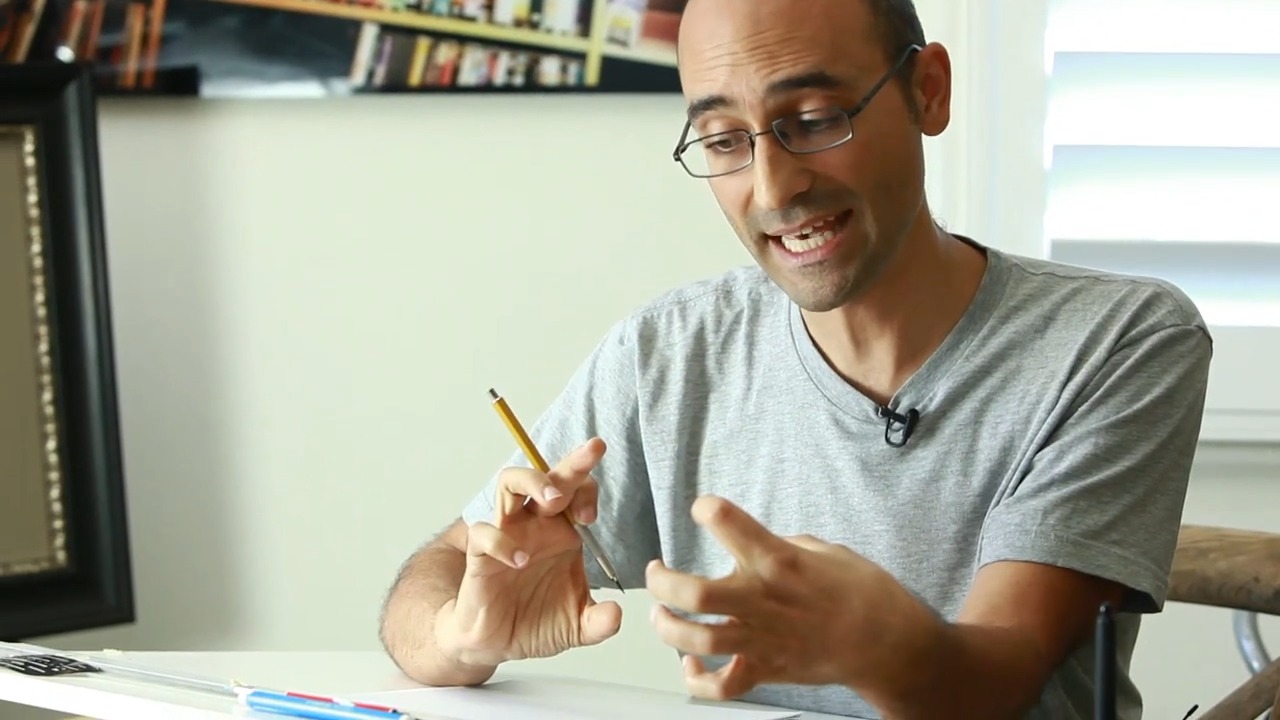 (Drew García-Price explains how all the elements of a drawing allow anyone looking to see it from the point-of-view that best tells a specific story.)
Using these skills to create storyboards, whether it be for your own projects or as a career helping other filmmakers realize their vision, helps you experiment before all the people involved in a project arrive. And once you do start to collaborate, storyboards can help make you a more effective, intentional, and specific storyteller, in an interesting and exciting way.
WATCH THE “STORYBOARD A MONSTER MOVIE” COURSE WITH DREW GARCÍA-PRICE:
Storyboard a Monster Movie - Part 1 - Traditional Techniques